Bear Jams & Moose Pull-Offs: Watching Roadside Wildlife Safely
How to stop, photograph, and keep giant mammals wild on northern highways.
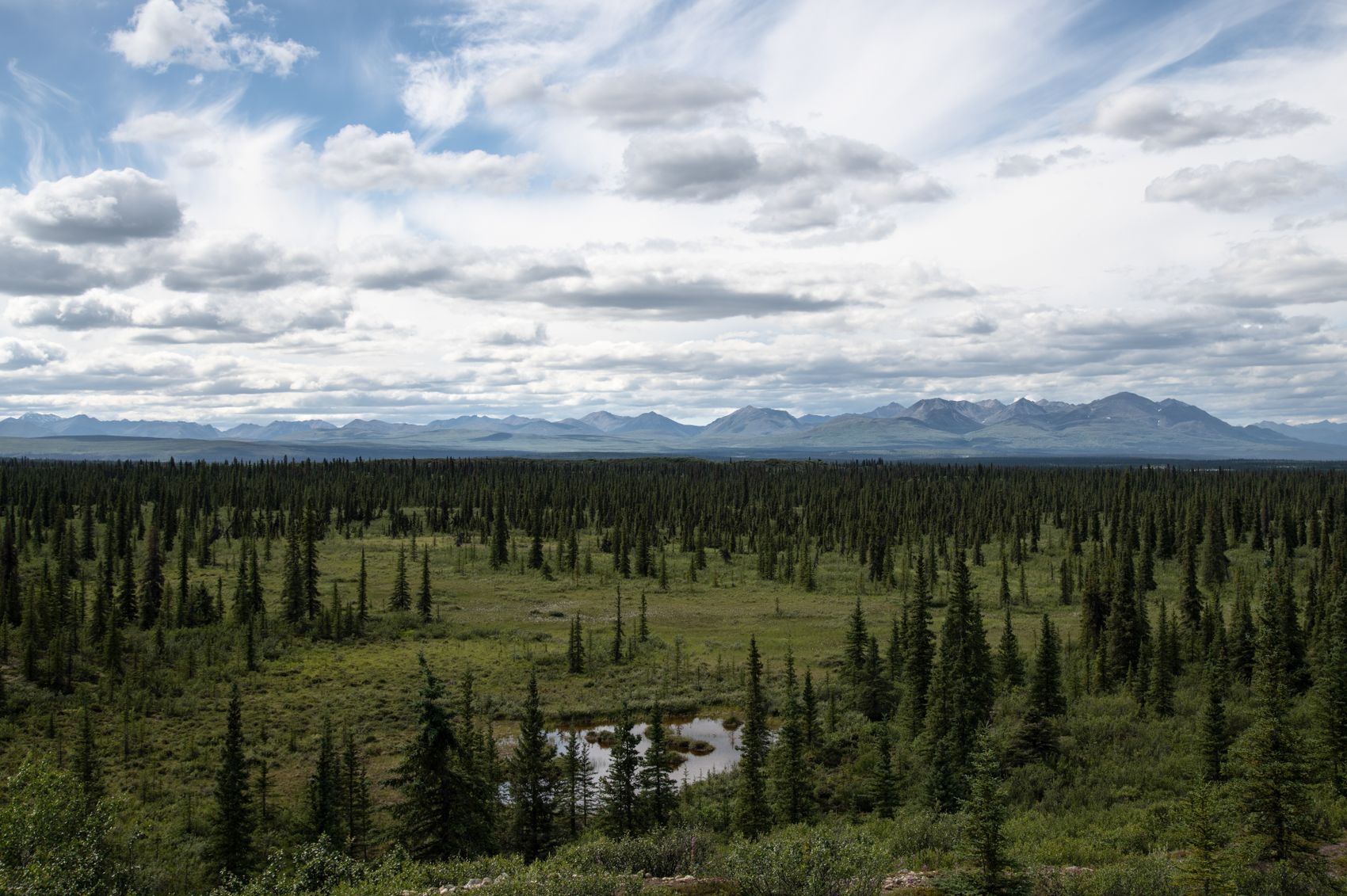
Driving the Alaska Highway and other northern routes, it’s not a matter of whether you’ll see roadside wildlife, but when. From grizzlies grazing spring dandelions in the ditch to massive wood bison blocking the lane, animal encounters are a daily highlight. But stopping safely takes a few golden rules. Here’s how to handle “bear jams,” photograph giant mammals, and keep Yukon wildlife wild.
Slow down and stay in the vehicle
Your car is the safest hide there is. When you spot an animal, ease off, pull fully onto the shoulder only where it’s safe, and stay inside the vehicle. Never block a traffic lane, stop on a blind corner, or get out to approach — most serious incidents come from people leaving their cars.
Keep your distance
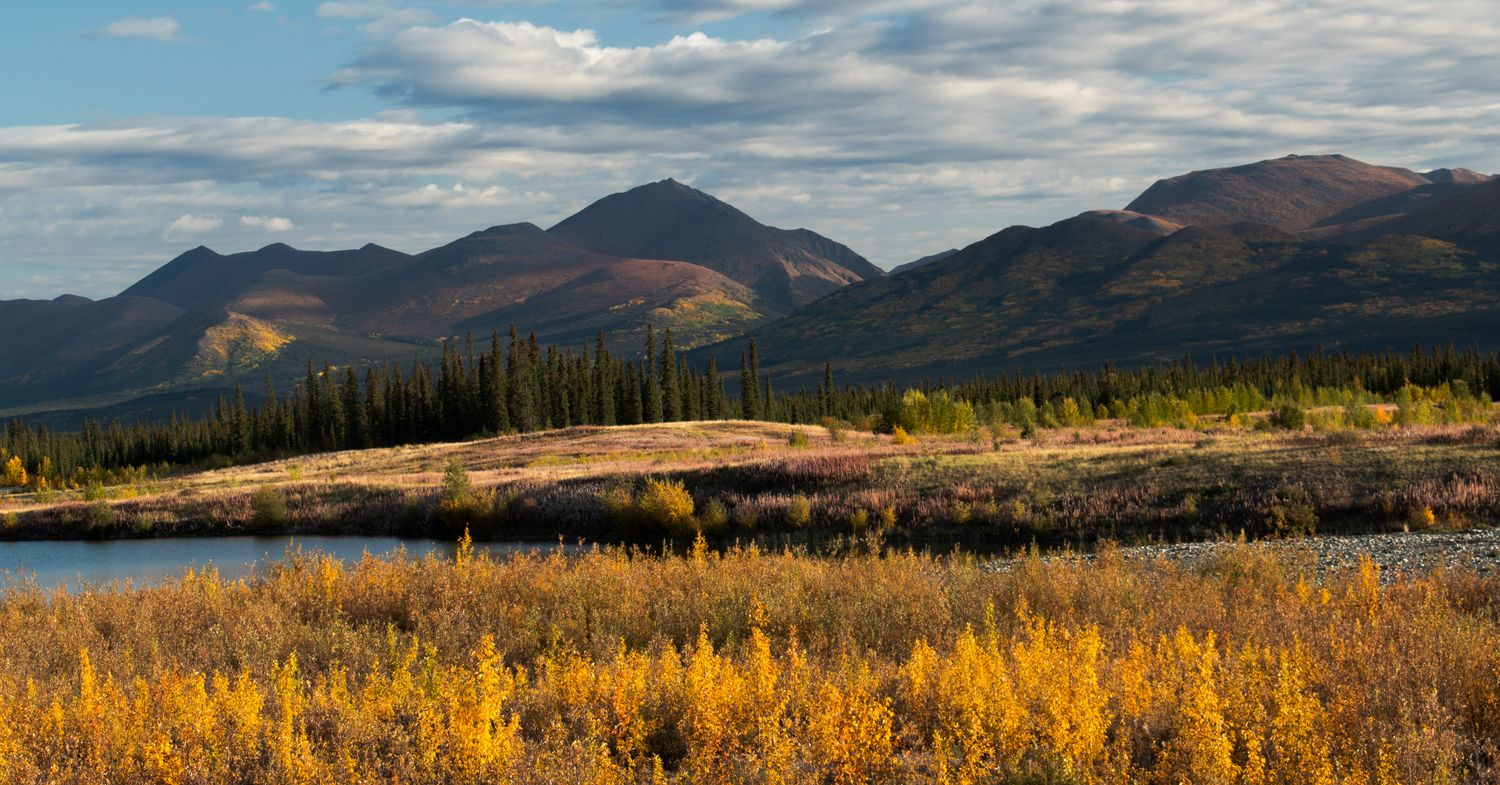
Give animals plenty of space, and let them carry on undisturbed. Use a zoom lens or your phone through the window rather than creeping closer for a better shot. If an animal changes its behaviour because of you — stops feeding, looks up, moves away — you’re too close.
Never feed wildlife
Feeding animals, deliberately or by leaving food accessible, teaches them to associate roads and people with meals. Habituated animals become dangerous and are often killed as a result, so the kindest thing you can do is keep all food to yourself.
Watch for the whole herd
Where there’s one animal, there are often more. Bison and caribou travel in groups that can spill across the road, and a moose or bear cub may be followed by a protective mother. Scan both shoulders, expect the unexpected, and be ready to stop.
Dawn, dusk, and the seasons
Wildlife is most active at dawn and dusk, exactly when light is poor and animals are hard to see — slow down and stay alert then especially. Spring draws animals to green roadsides; autumn brings the rut and migrations. Year-round, a relaxed pace is your best defence.
If traffic builds up
A “bear jam” — a cluster of stopped cars around an animal — is common. Keep moving if you can’t stop safely, don’t add to a dangerous pile-up, and never let excitement override basic road sense.
Handled well, roadside encounters are one of the great joys of a Yukon road trip — thrilling, humbling, and safe for both you and the animals. Slow down, stay in the car, keep your distance, and let the wild stay wild.