Beyond the Aurora: Stargazing Under the Yukon’s Dark Skies
The Milky Way, meteor showers, and deep-space clusters in near-zero light pollution.
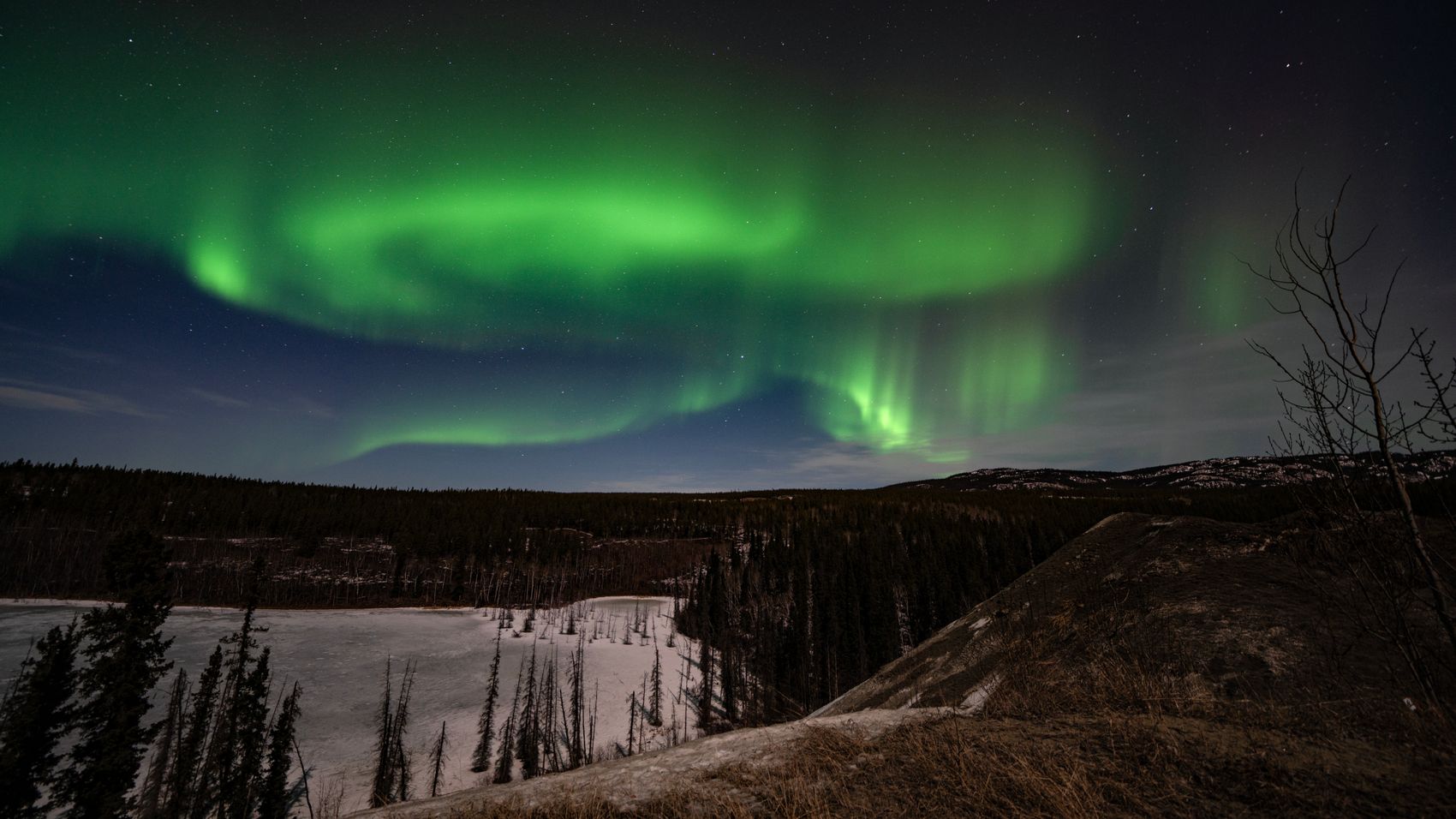
The northern lights get all the attention, but they’re only part of the Yukon’s night-sky story. With vast uninhabited wilderness and near-zero light pollution, the territory becomes a giant planetarium once autumn returns the darkness. Beyond the aurora, you can take in the Milky Way, meteor showers, and deep-space clusters in astonishing clarity. Here’s how and where to look up.
Why the skies are so dark
Outside the few towns, the Yukon has almost no artificial light for hundreds of kilometres. That darkness, combined with dry, clear northern air and a high latitude, produces some of the finest stargazing conditions in North America — skies most city dwellers have never truly seen.
When to go
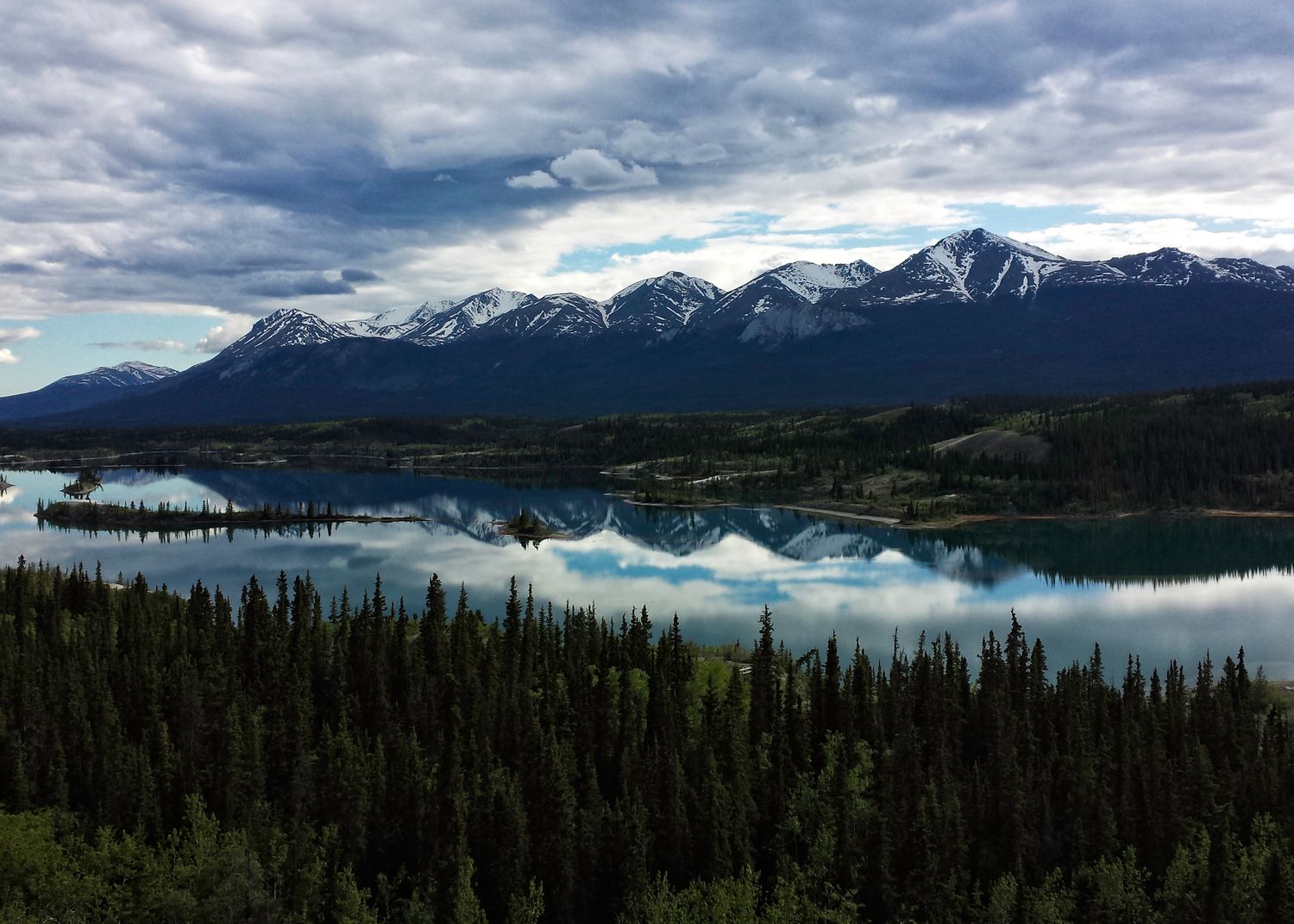
You need darkness, so the stargazing season mirrors the aurora season: roughly late August through April. The summer midnight sun washes out the stars entirely. Autumn offers a sweet spot of dark skies with milder temperatures, while deep winter delivers the longest, blackest nights.
What to look for
On a moonless night the Milky Way arches overhead in detail. Watch for major meteor showers — the Perseids in August (if it’s dark enough) and the Geminids in December are highlights — plus planets, star clusters, and, of course, the aurora as a bonus. Binoculars reveal far more than you’d expect; a small telescope, more still.
Where to set up
Any dark spot away from Whitehorse works: the Southern Lakes, pull-offs along the highways, or the shore of a quiet lake. You want an open horizon and no direct lights. Let your eyes adapt for 20–30 minutes and use a red headlamp to preserve your night vision.
Comfort and gear
Dress far more warmly than you expect for standing still at night, bring a reclining chair or a mat to look up comfortably, and pack a thermos. A star chart or an astronomy app (with a red-light night mode) helps you find your way around.
Come for the aurora, but don’t forget to look past it. On a clear, dark Yukon night, the sheer depth of the star-filled sky is a spectacle in its own right — and one you’ll rarely find anywhere closer to home.