Chasing Crimson Tundra: Autumn in Tombstone Territorial Park
Fiery red-and-gold tundra beneath black granite peaks — and the returning aurora.
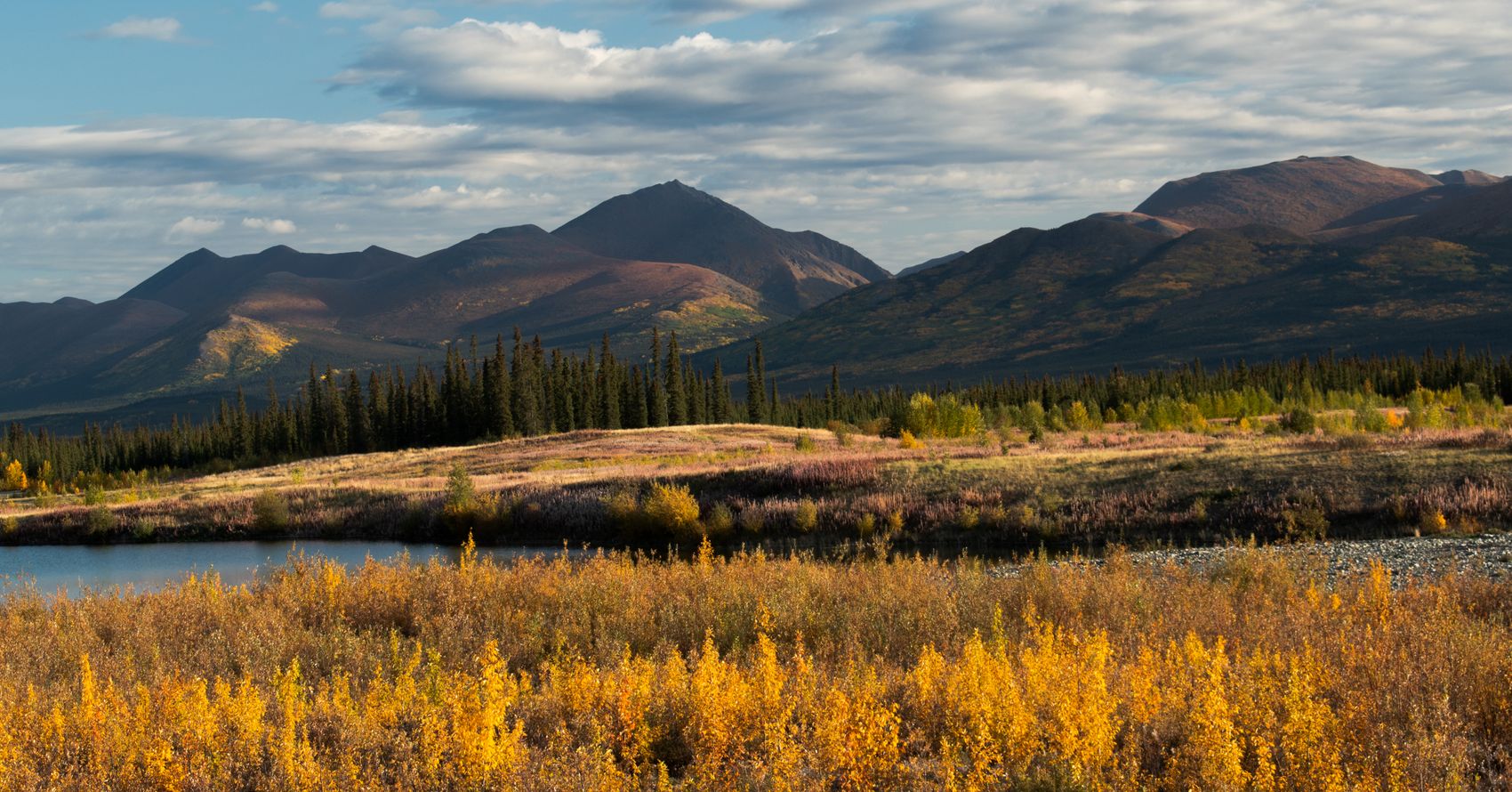
Tombstone Territorial Park is the kind of place that rearranges your expectations of what Canada looks like. Reached along the gravel of the Dempster Highway north of Dawson City, it is a landscape of jagged black granite peaks rising abruptly out of rolling, treeless tundra — so distinctive that it is often called Canada’s Patagonia. It is also permafrost country, rich in wildlife, sacred to the Tr’ondëk Hwëch’in, and, for hikers, one of the great backcountry destinations in the North. Here is how to experience it, whether you have a few hours or a few days.
Start at the Interpretive Centre
Every visit should begin at the Tombstone Interpretive Centre, roughly 70 kilometres up the Dempster from the highway junction. The staff there provide current trail and weather conditions, wildlife updates, and the mandatory registration and permits for backcountry travel. The centre also grounds the park in the culture and ecology of the region, and several short, rewarding walks start right from its doorstep — ideal if your time or ambition is limited.
Day hikes
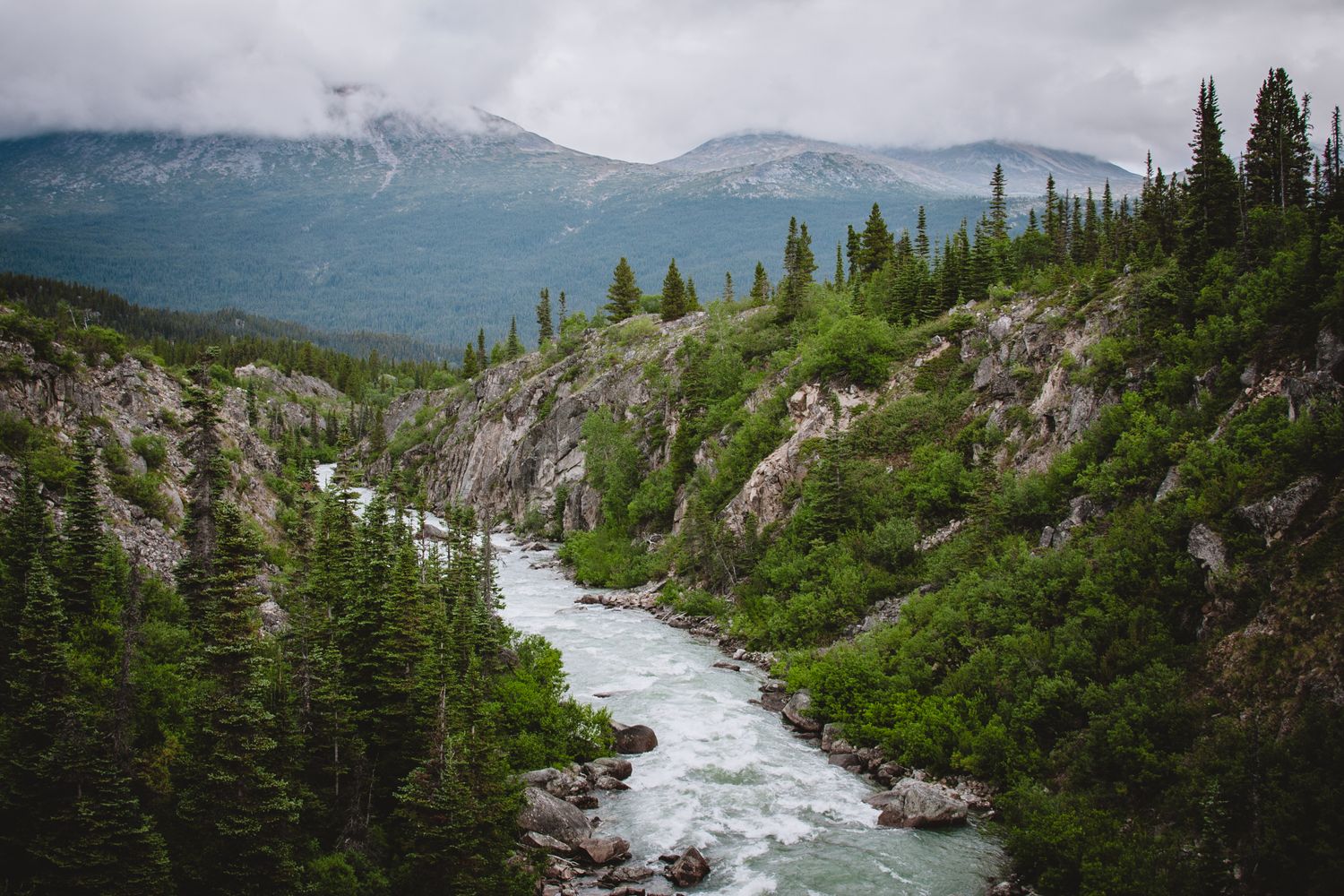
You do not need to commit to a multi-day trek to feel Tombstone’s power. The Grizzly Ridge trail climbs steeply from the highway to a high, exposed ridgeline with enormous views across the valley to the peaks — a demanding day hike but an achievable one for fit walkers. Shorter interpretive trails near the campground and centre lead through tundra and along creeks, offering a gentler introduction. Even a roadside stop at one of the highway pull-outs, with a short walk out onto the tundra, delivers scenery most people travel far to see.
The classic backcountry trek
The signature experience is the multi-day hike to the trio of alpine lakes — Grizzly, Divide, and Talus — set in cirques beneath the highest peaks. This is a serious backcountry route: unmarked in places, steep, and committing, with designated tent pads at each lake that must be reserved in advance through the park, often months ahead because demand far exceeds space. Hikers carry everything in and out, filter their own water, and must be entirely self-sufficient. The reward is some of the most spectacular mountain scenery in Canada, walked in near solitude.
Timing your visit
Tombstone’s season is short. The Dempster is typically drivable to the park from roughly June through September, and the high country holds snow late and gets it early. Most hikers aim for July, when the trails are clearest and the days are long, or for the last week of August into early September, when the tundra ignites into sheets of crimson, orange, and gold. That autumn colour is breathtaking and brief, and it draws photographers from around the world — but it also brings the first frosts and the risk of early snow, so come prepared.
Wildlife and the land
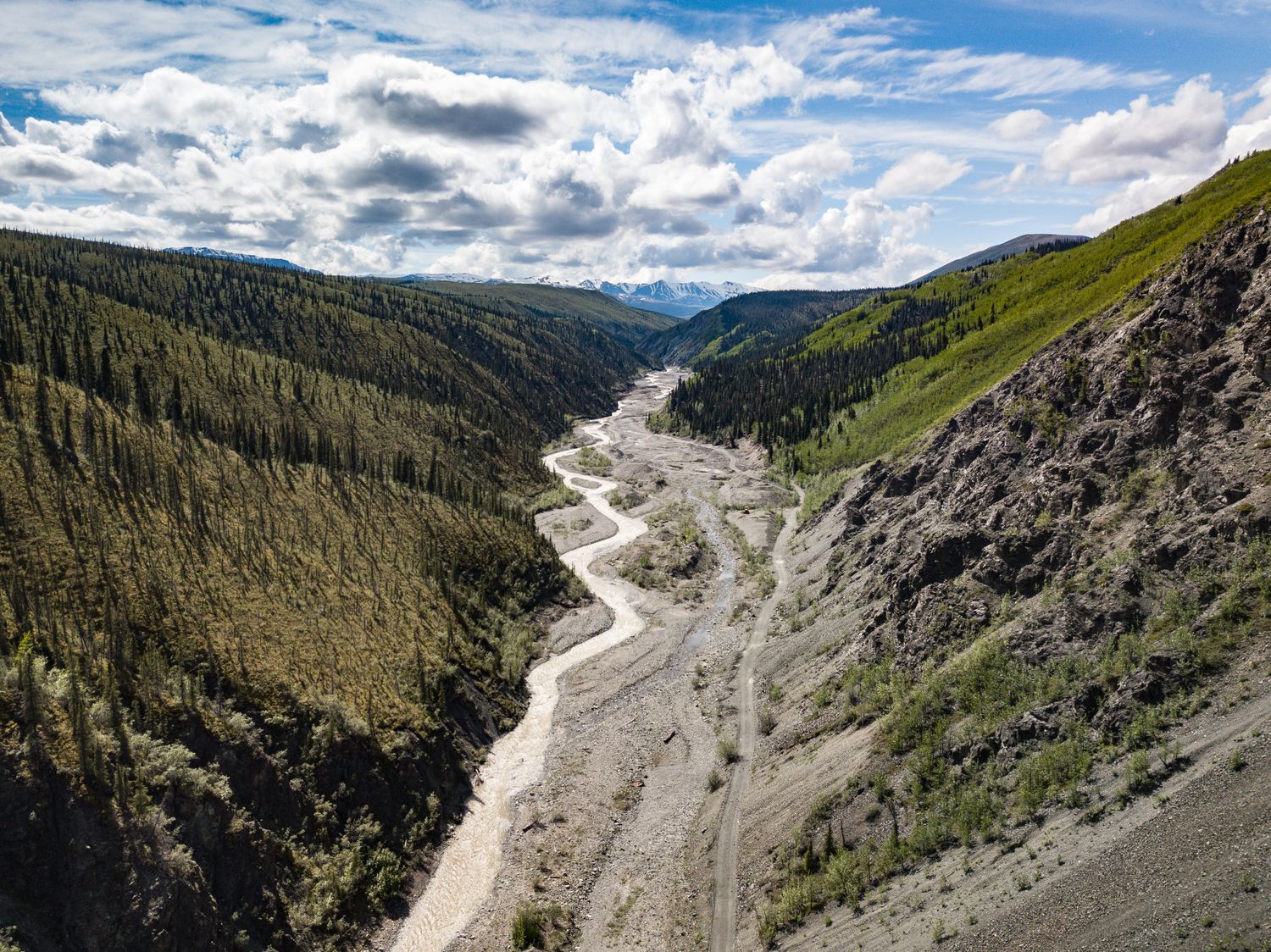
The park is prime habitat for grizzly bears, and the annual migration of the Porcupine caribou herd passes through the broader region. Dall sheep work the high slopes, pikas and marmots scatter across the talus, and golden eagles ride the ridgelines. Travel with proper bear precautions — food storage, awareness, and bear spray — and remember that this is a living cultural landscape as well as a park. Tread lightly, stay on established routes where they exist, and leave the tundra, which recovers with agonising slowness at this latitude, exactly as you found it.
Practicalities on the Dempster
Reaching Tombstone means driving gravel, and the Dempster demands respect. Carry at least one good spare tire (two is wiser), extra fuel, food, and water, and check road and ferry conditions before you set out, because weather can close or wash out sections with little warning. Cell service is nonexistent for long stretches. Fuel up in Dawson City, tell someone your plan, and give yourself margin. The road that makes the park possible is also part of the adventure.
How much time to give it
If you only have a day, drive up from Dawson, stop at the Interpretive Centre, walk a short trail or tackle Grizzly Ridge, and drive back — a long but unforgettable outing. If you can spare more, camp at the Tombstone Mountain Campground and spend two or three days exploring, or commit to the backcountry trek and reserve well ahead. However long you stay, Tombstone has a way of making the rest of your itinerary feel small. It is, quite simply, one of the reasons people fall in love with the Yukon.