Don’t Freeze Your Engine: Essential Winter Driving Hacks for the North
Block heaters, survival kits, and ice-road know-how for a safe subarctic drive.
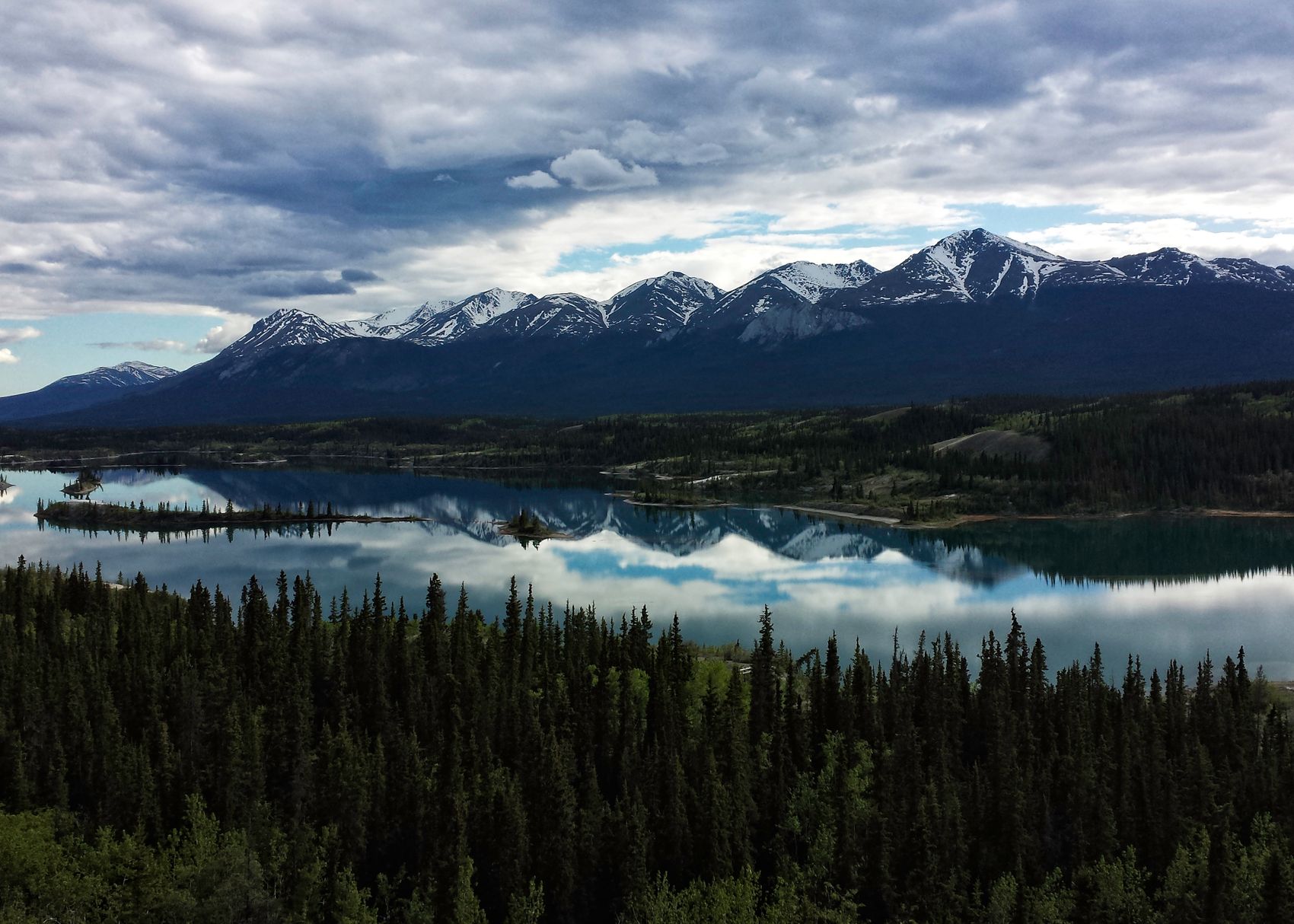
Driving in the subarctic winter isn’t like normal winter driving — it requires a whole new set of rules. From understanding what block heaters do (and why you plug your car in overnight) to carrying an emergency survival kit, a few precautions turn a scary drive into a smooth winter road trip. Here are the essential hacks for navigating Yukon roads safely in the cold.
Plug it in
In deep cold, engine oil thickens and batteries weaken, and a car left unplugged overnight may not start. Block heaters warm the engine so it starts reliably, which is why plug-in posts are everywhere in the North. If you’re renting, ask about the block heater and use it whenever temperatures plunge.
Winter tires are non-negotiable
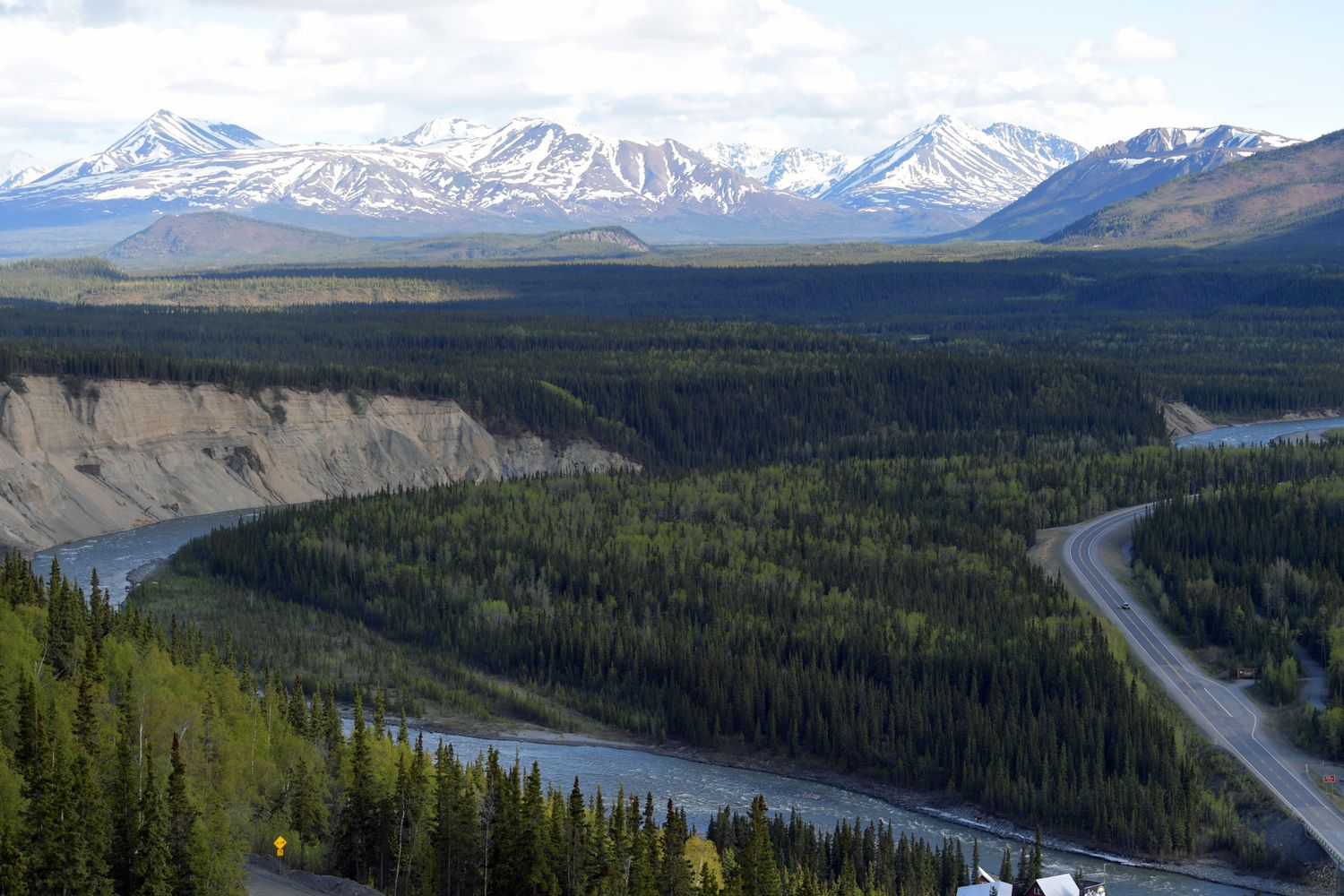
Proper winter tires (not all-seasons) transform grip on snow and ice. Confirm your vehicle — rental or your own — has them before any winter trip. Studded tires are common and legal in the territory’s winter and add extra bite on ice.
Carry a survival kit
Because help can be far away, always travel with a winter emergency kit: warm blankets or a sleeping bag, extra warm clothing, food and water, a flashlight, a shovel, traction aids or sand, jumper cables, a first-aid kit, and candles or a heat source. If you break down in a remote area, staying with your vehicle and warm is the priority.
Drive to the conditions
Slow down, increase following distances dramatically, and brake and steer gently — sudden inputs cause skids on ice. Watch for black ice, especially on bridges and shaded stretches, and for frost heaves hidden under snow. Keep the fuel tank at least half full to avoid line freeze and to keep your options open.
Plan for remoteness
Tell someone your route and expected arrival, check road reports before you leave, and don’t count on cell coverage between towns — consider a satellite communicator for long remote drives. Fuel up at every opportunity, since stations are far apart and keep limited winter hours.
Cold-weather habits
Keep your phone charged and warm, carry an ice scraper and brush, clear all windows and lights before driving, and give the car a few minutes to warm up. Small routines prevent big problems.
Respect the cold and the distances, prepare properly, and winter driving in the Yukon becomes not a hazard to fear but simply the way you get to the frozen lakes, snowy trails, and aurora-lit nights that make a northern winter unforgettable.