Driving the Dempster Highway: What to Know Before the Arctic Circle
740 km of unpaved wilderness to the edge of the Arctic — tires, fuel, and timing sorted.
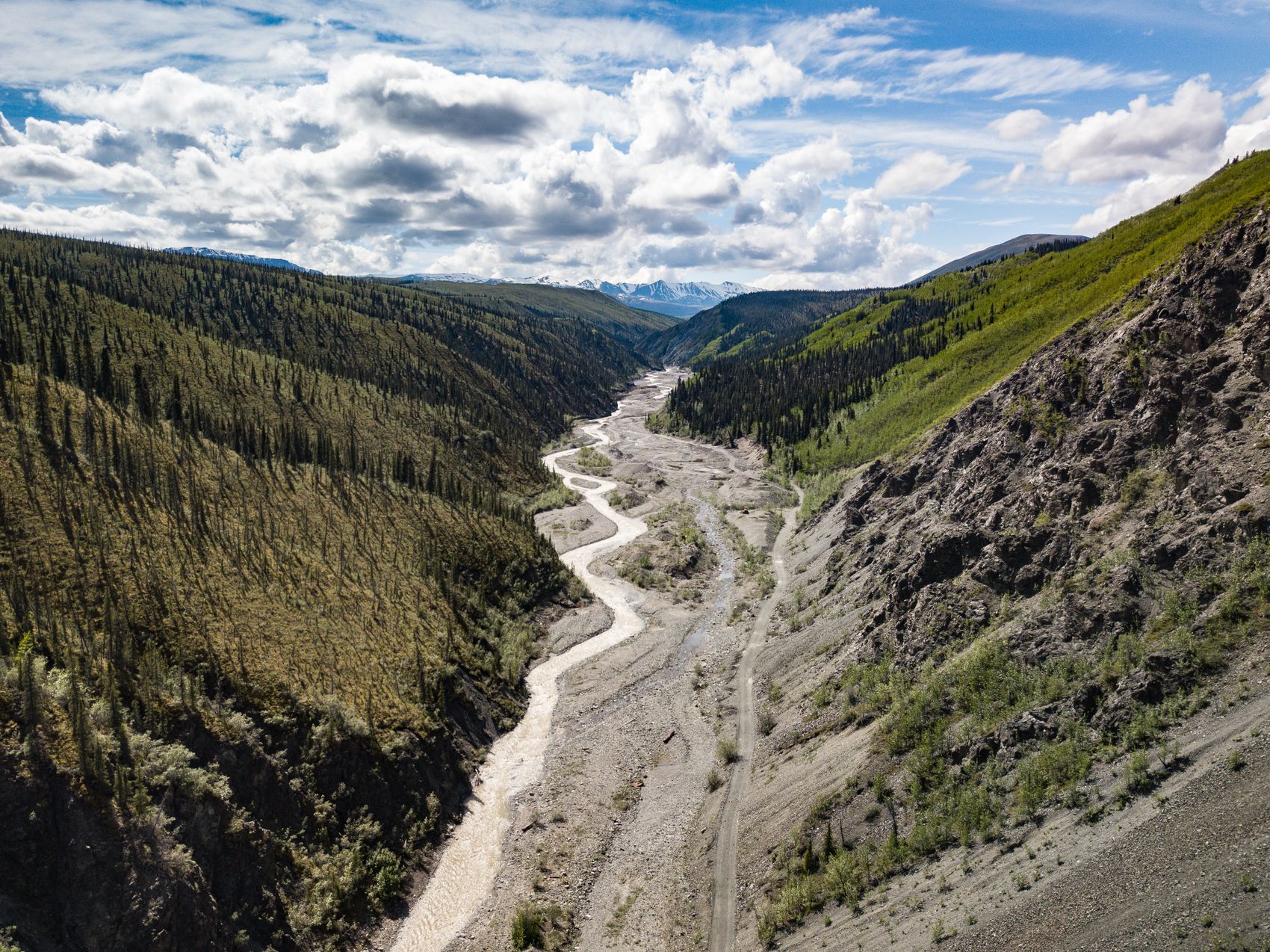
Some roads are simply how you get somewhere. The Dempster Highway is not one of them. It is a destination in its own right — Canada’s only public road to cross the Arctic Circle, a ribbon of gravel that runs more than 700 kilometres from near Dawson City to Inuvik in the Northwest Territories, through some of the wildest and most beautiful country left on the continent. Driving it is one of the last true wilderness road trips in North America, and it demands as much preparation as it rewards ambition.
The route
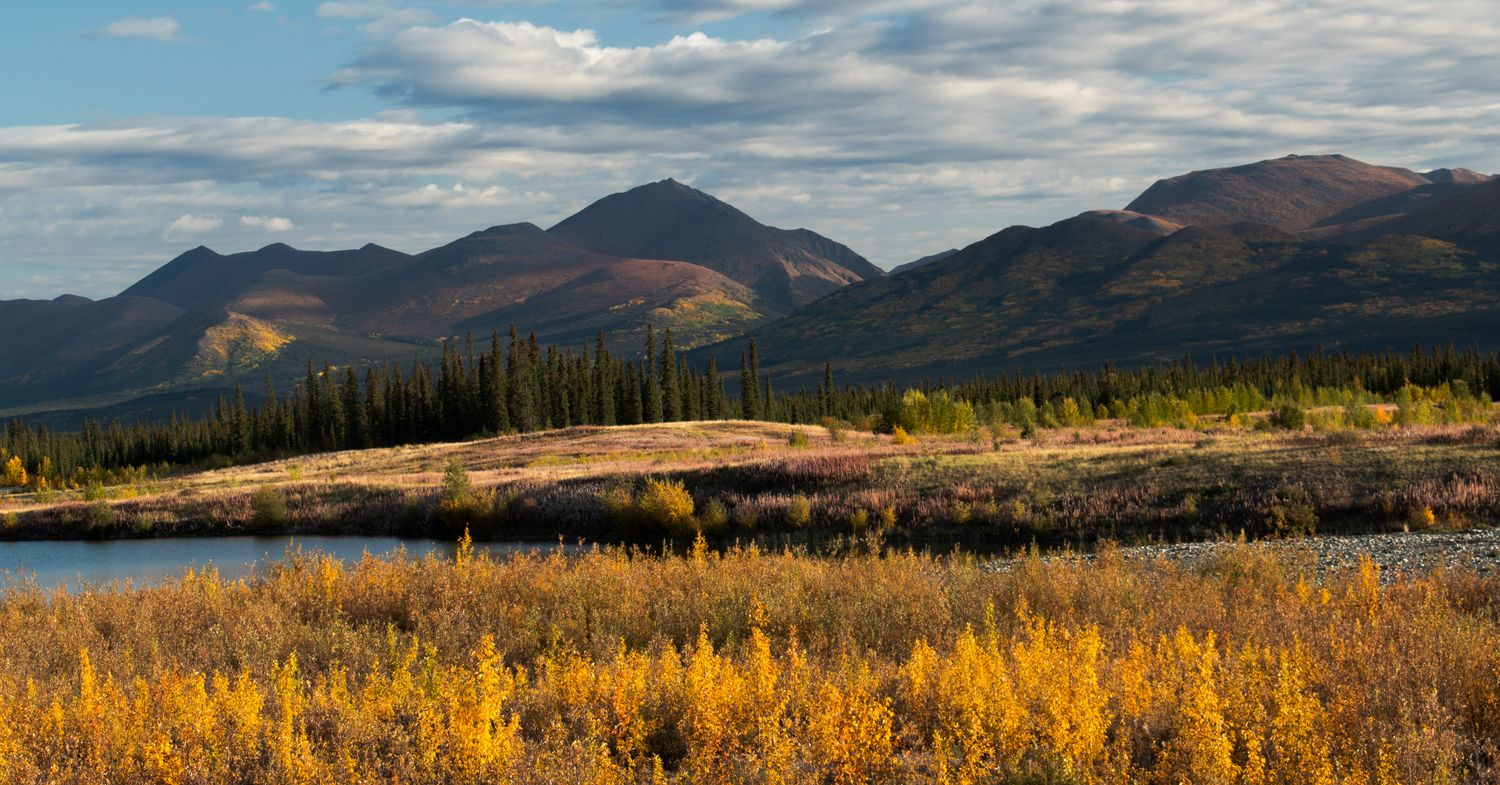
The Dempster begins about 40 kilometres east of Dawson City and immediately starts climbing into the mountains. Within the first hundred kilometres it passes through Tombstone Territorial Park, whose jagged black peaks and golden tundra are worth the trip on their own. Beyond Tombstone the road rolls across high passes, the North Fork Pass, and vast open tundra, crosses the Continental Divide more than once, and reaches Eagle Plains, a lonely outpost roughly halfway that offers the only significant fuel and lodging between Dawson and the far north. Shortly past Eagle Plains you reach the Arctic Circle itself, marked by a sign that has launched a thousand photographs.
From there the highway crosses the Richardson Mountains, leaves the Yukon for the Northwest Territories, and threads down through Gwich’in country toward Fort McPherson, Tsiigehtchic, and finally Inuvik on the Mackenzie Delta. A more recent extension, the Inuvik–Tuktoyaktuk Highway, now carries the truly determined all the way to the shore of the Arctic Ocean.
Wildlife and landscape
Because the Dempster crosses tundra and mountain rather than forest for much of its length, sightlines are enormous and wildlife watching can be superb. This is core range for the Porcupine caribou herd, and in migration season the road can offer extraordinary encounters. Grizzly bears dig on the slopes, raptors including gyrfalcons and golden eagles hunt the ridges, and smaller creatures scatter across the road. Drive slowly, keep your binoculars handy, and treat every animal with distance and respect.
Preparing your vehicle
This is where the Dempster separates the prepared from the stranded. The road is gravel, often sharp, and hard on tires; carry at least one full-size spare, and two is strongly recommended, along with the tools and knowledge to change them. Fuel is available only in Dawson, Eagle Plains, and the NWT communities, so top up at every opportunity and carry extra. Bring more food and water than your schedule strictly requires, warm clothing for any season, and a basic recovery and repair kit. A vehicle in good mechanical condition is essential.
Weather and timing
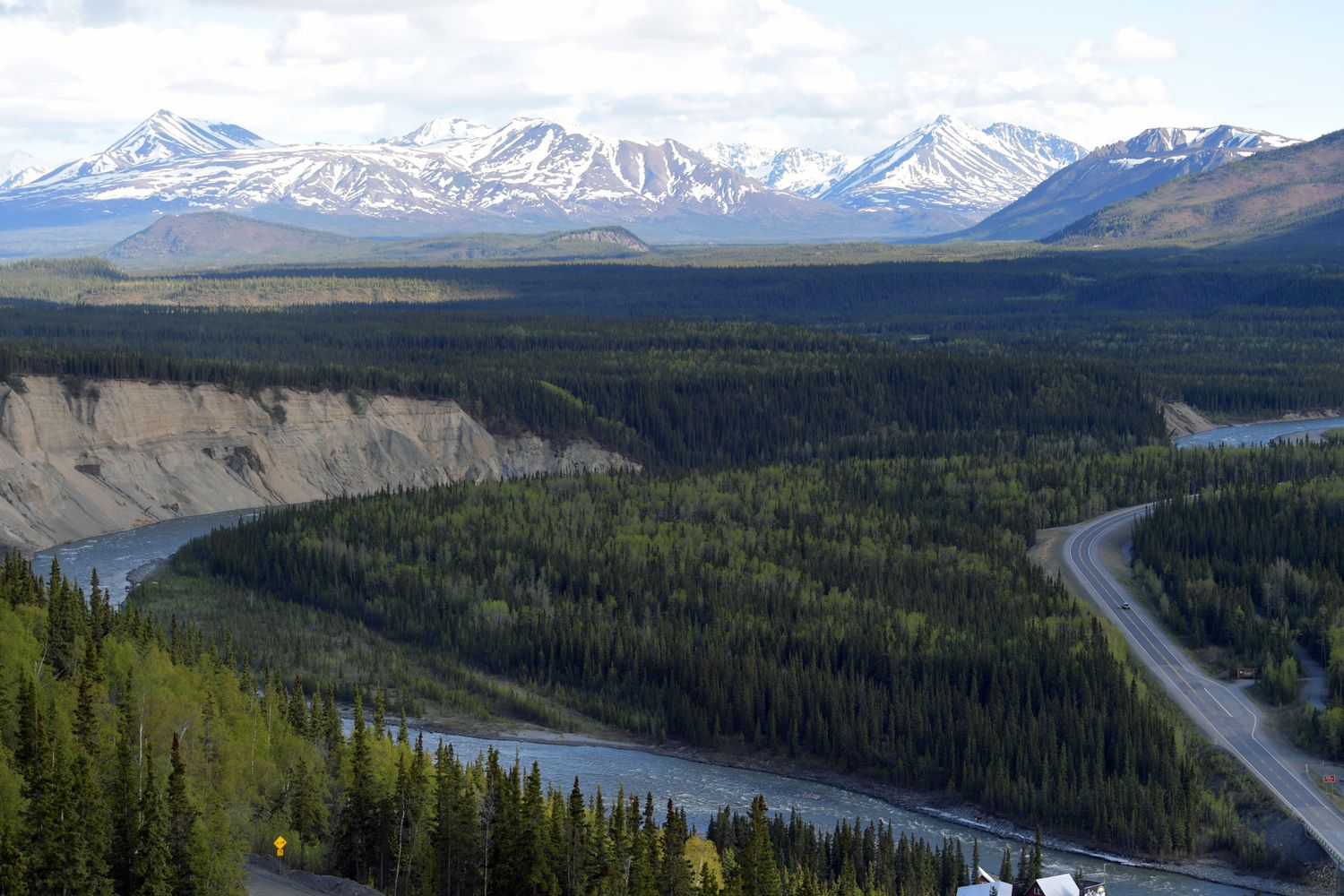
The Dempster is generally drivable from roughly June through September, though the shoulder seasons carry real risk of snow. Weather here changes fast and can be violent; rain turns sections of the road to treacherous, greasy clay that has stopped many a confident driver, and storms can close river ferry crossings or wash out stretches of road with little warning. Always check current road and ferry conditions before you set out and again along the way, and build flexibility into your plans. A day’s delay waiting out weather is normal, not a failure.
Staying connected — or not
For long stretches of the Dempster there is no cell coverage whatsoever. Tell someone reliable your route and expected timing before you leave, and consider carrying a satellite communicator or personal locator beacon for genuine emergencies. Do not count on meeting other vehicles frequently, especially outside peak season; self-sufficiency is not optional here, it is the whole premise of the drive.
Why do it
With all these caveats, why go? Because there is almost nowhere else you can do this. The Dempster delivers a scale of wilderness, silence, and space that is increasingly rare anywhere on Earth, and it does so from behind the wheel of an ordinary vehicle, no expedition required beyond good sense and good preparation. Standing at the Arctic Circle sign with the tundra rolling away in every direction, or watching caribou stream across the road, or simply driving for an hour without seeing another soul, you understand exactly how far north you have come. For many travellers, the Dempster is the wildest thing they will ever do — and the trip they never stop talking about.