How to Photograph the Northern Lights with a Phone or DSLR
Focus, exposure, and ISO settings for frame-worthy aurora shots — gear optional.
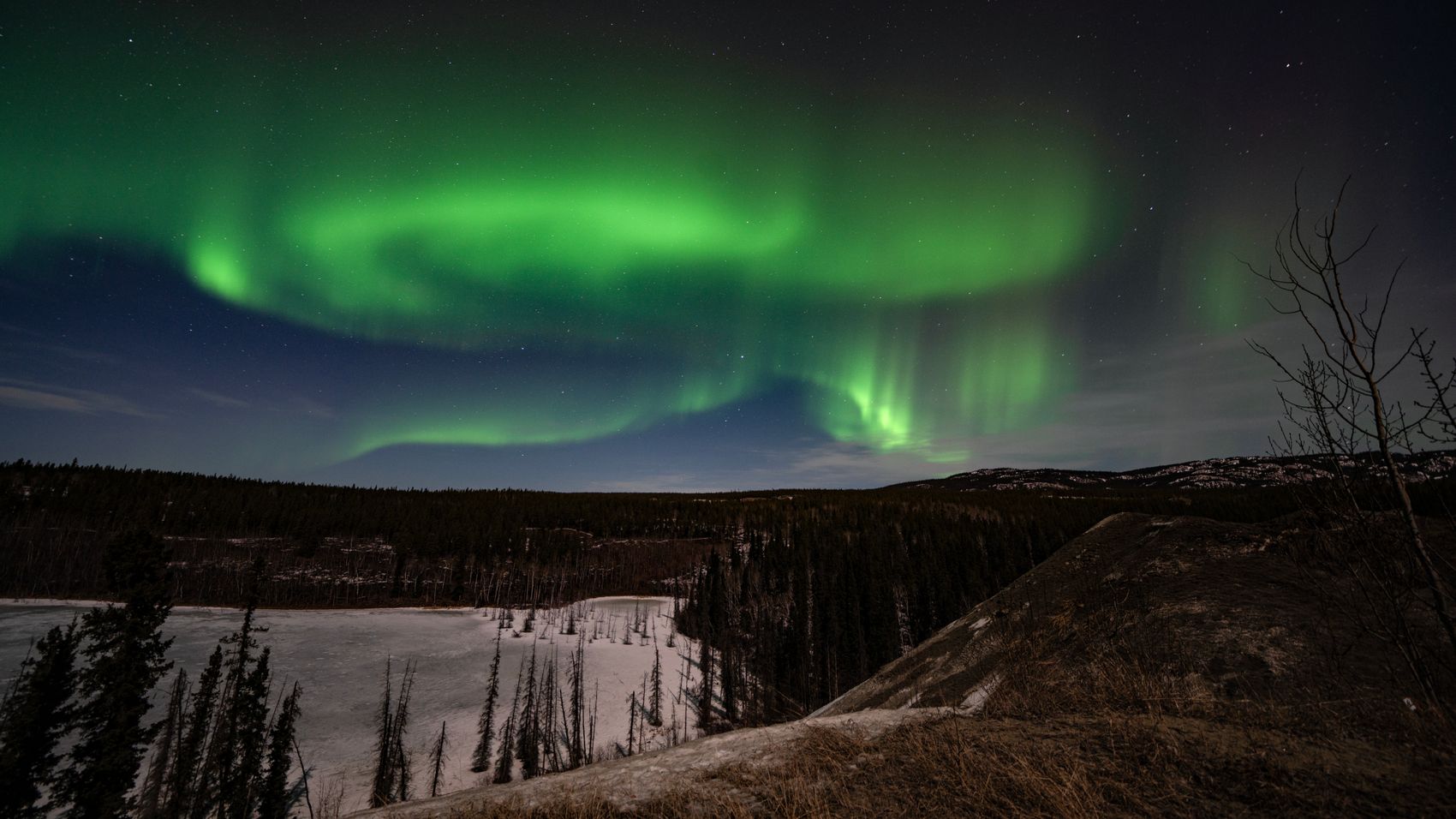
You’ve made it to the Yukon, the night sky is starting to glow green — and when you point your camera, all you get is black. Photographing the northern lights defeats a lot of first-timers, but it comes down to a handful of settings and a little preparation. Whether you’re shooting a mirrorless camera or a modern phone, here’s how to bring home images you’ll proudly frame.
Gear that helps
A camera with manual controls and a sturdy tripod is ideal, paired with a wide, fast lens (think f/2.8 or wider). But don’t despair if all you have is a phone — recent phones with a night mode can capture a surprisingly good aurora if you brace them on something solid. A remote or self-timer prevents shake either way.
The core settings
For a camera, start manual: aperture as wide as it goes, ISO between 1600 and 3200, and a shutter of a few seconds — long enough to gather light, short enough that active curtains don’t smear into a blur. Focus manually on a bright star or distant light, turn off the flash, and shoot in RAW if you can for flexibility later.
Composition
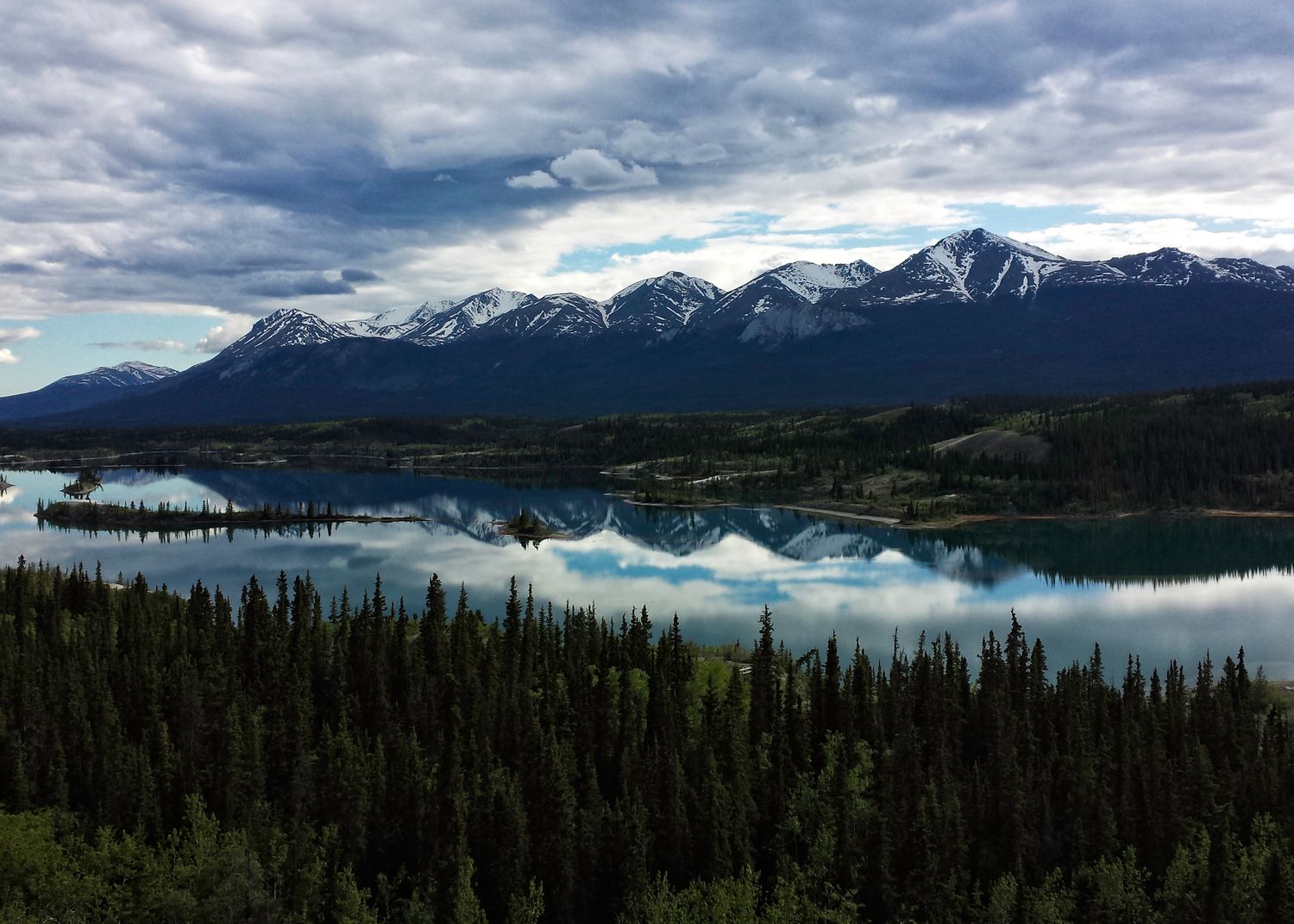
A great aurora photo needs a foreground. Place a frozen lake, a ridge, a lone spruce, or a cabin in the frame to give scale and a sense of place. Get low, use the rule of thirds, and let the sky fill the upper two-thirds when the display is high.
Phone tips
Enable night mode, prop the phone on a rock, wall, or mini tripod, and hold dead still for the multi-second capture. Lock focus and exposure if the app allows, and turn off the flash. Wipe condensation from the lens, which forms fast in the cold.
Stay warm and patient
Batteries drain rapidly in the cold, so carry spares in an inside pocket. Dress for standing still in deep cold, bring a headlamp with a red light to protect your night vision, and give the sky time — the best displays often come after midnight.
Nail the settings once and the rest is practice. Then, crucially, put the camera down for a while and simply watch — the photos are a souvenir, but the memory is the point.