Life at 60 North: 7 Quirks of Whitehorse You Only Notice After Arriving
Blackout curtains in July, plug-in cars in January — the real rhythm of northern life.
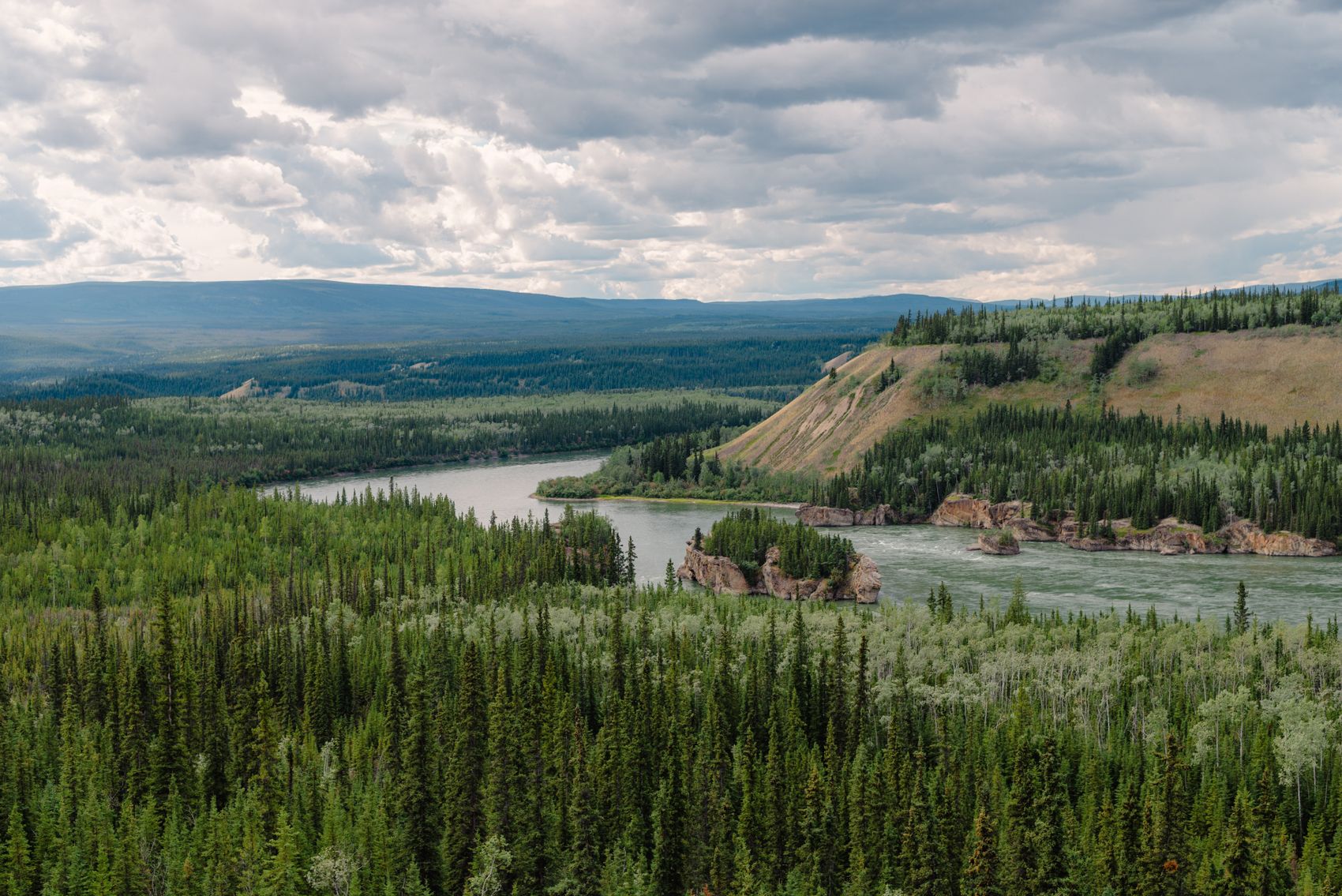
Whitehorse is the smallest of Canada’s territorial and provincial capitals, yet it is home to about three-quarters of all Yukoners. Arrive expecting a sleepy outpost and you’ll be surprised: it has good coffee, a lively arts scene, and a genuine city rhythm. But daily life at 60° north runs by its own rules, and here are the quirks that catch every newcomer off guard.
1. The sun forgets to set — or rise
Near the June solstice you can read outside at midnight; in December the sun barely clears the hills for a few hours. Locals adapt with blackout curtains in summer and a fierce appreciation for every minute of winter daylight.
2. You plug your car in
Walk any winter parking lot and you’ll see cords dangling from grilles. Block heaters keep engine oil from turning to sludge overnight, and “did you plug in?” is a normal thing to ask a friend in January.
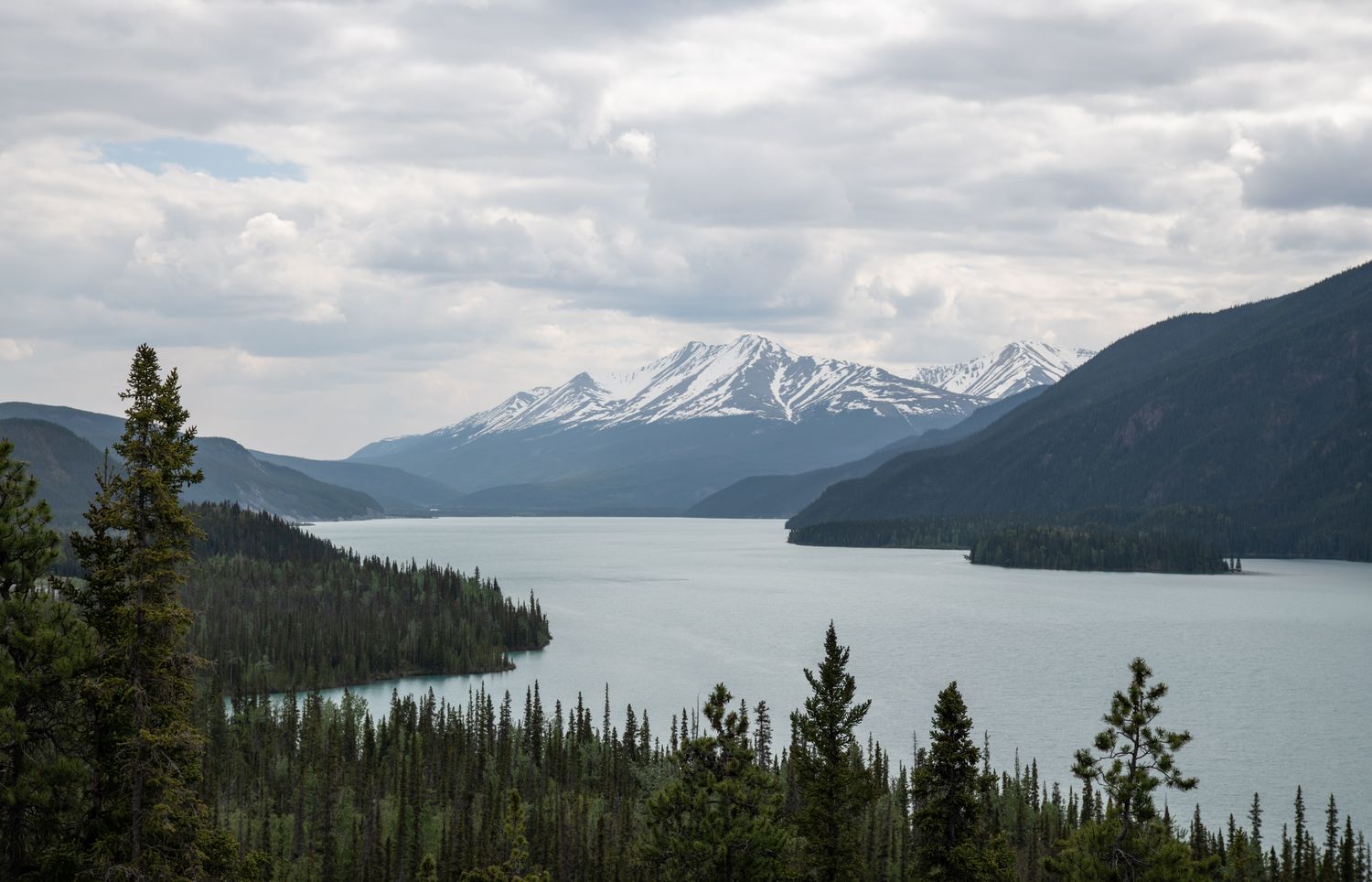
3. Distance is measured in hours, and everything is “close”
A two-hour drive for dinner or a hot spring is nothing here. The nearest big-box shopping city is a long haul south, so Yukoners plan trips, stock up, and treat the highway as an extension of the neighbourhood.
4. Everyone does everything
In a small community, the person serving your coffee might also be in the theatre production you saw last night and on the trail-building crew. It makes for a warm, interconnected place where showing up matters.
5. The outdoors is not a hobby, it’s the point
Canoes on the roof, skis by the door, and bikes year-round — including studded-tire fat bikes in winter. Weekends revolve around the land, and visitors are usually welcome to tag along.
6. Aurora is just … the sky
What travellers cross the world to see, locals glance up at on the walk home. That said, nobody ever really stops being moved by a big display.
7. Community runs deep
From the Fireweed Market to the Rendezvous festival, life here is stitched together by gatherings. It is one of the things that makes people who came for a season stay for a decade — or forever.
Whether you’re visiting or considering a move, lean into these rhythms rather than fighting them. The Yukon rewards people who slow down, get outside, and say yes to the invitation.