Riding the Rails: The White Pass & Yukon Route Railroad
An 1898 engineering marvel of cliff edges and trestles from Skagway to Carcross.
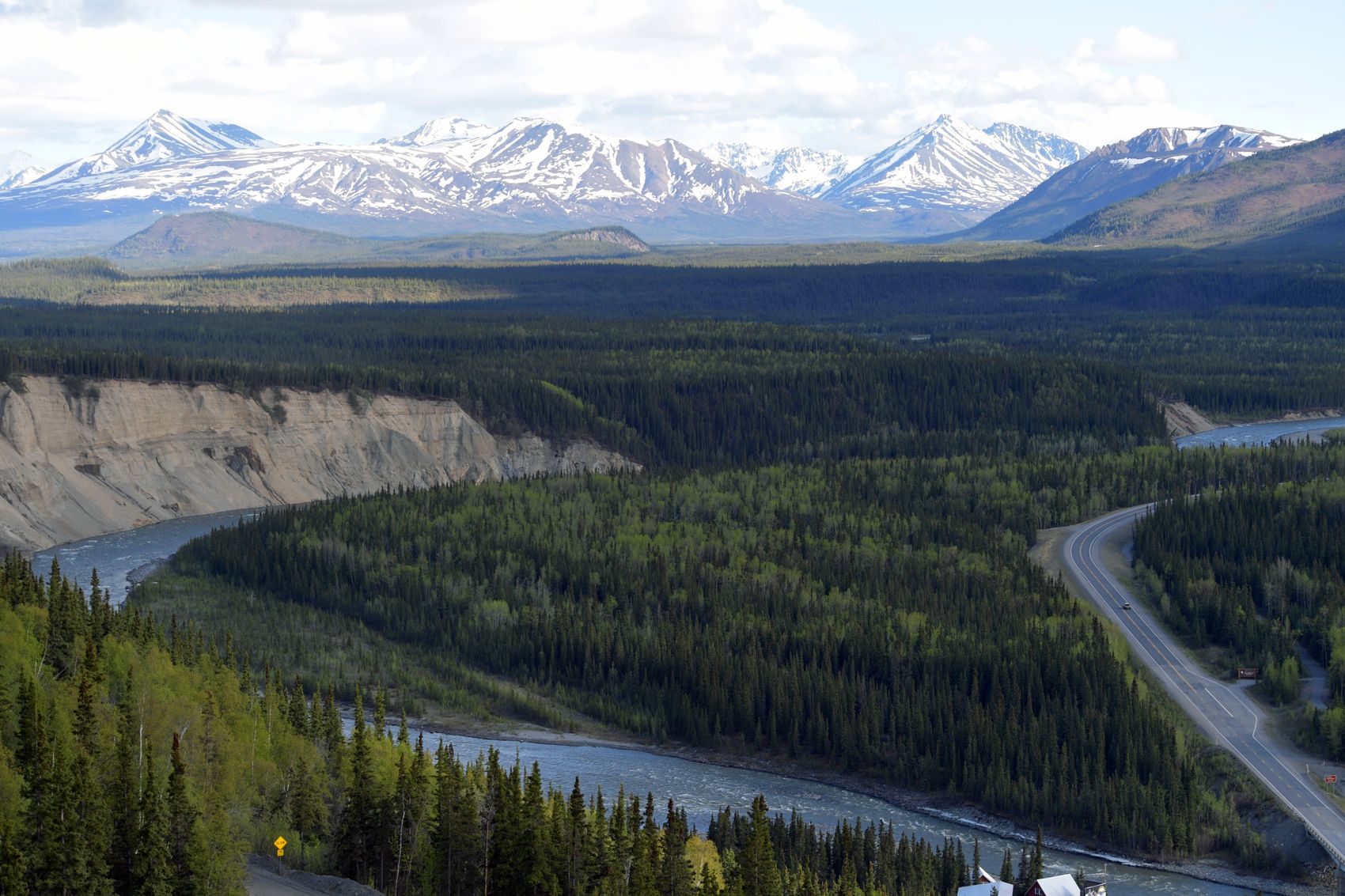
Carved through solid rock in 1898 at the height of the Klondike Gold Rush, the White Pass & Yukon Route railway is widely considered an engineering marvel. This narrow-gauge line snakes along cliff edges, past roaring waterfalls and dizzying trestles, climbing from tidewater in Skagway, Alaska, over the mountains toward Carcross. Riding it is a front-row seat to history and some of the North’s most dramatic scenery.
A railway born of gold
When tens of thousands of stampeders struggled over the brutal mountain passes in 1897–98, the need for a railway was obvious. In a staggering feat, crews blasted and built the line through the coastal mountains in just over two years. It carried freight, ore, and passengers for decades before tourism gave it a second life.
What the ride is like
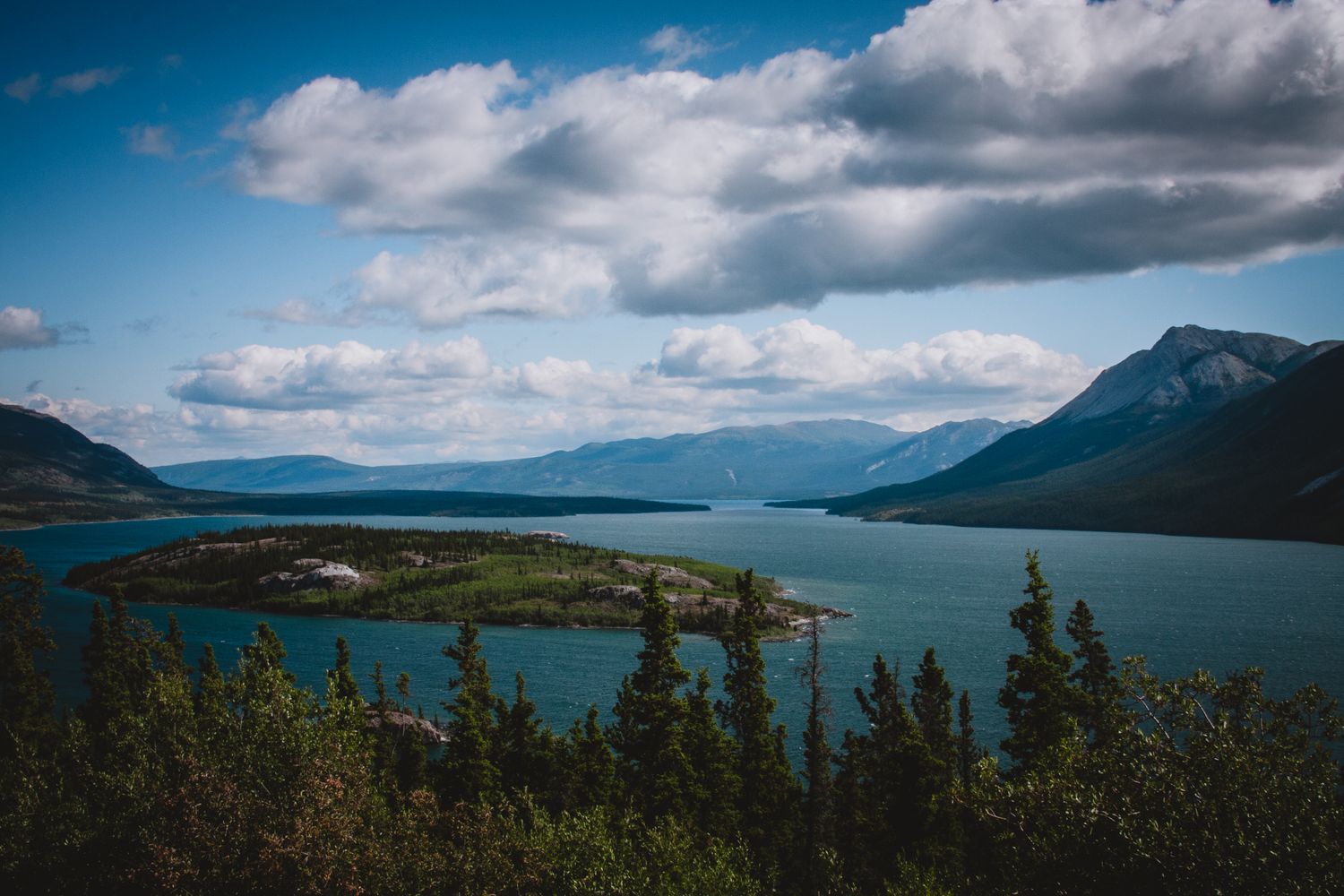
The train grinds upward through a landscape that changes by the minute: coastal rainforest gives way to sheer rock walls, cascading waterfalls, glacial valleys, and finally the high, austere country of the pass. Highlights include the towering steel cantilever bridge sites, tunnels blasted through rock, and views back down toward the sea.
Options for travellers
Several excursions run in summer, from short round trips out of Skagway to longer journeys that connect with bus service to Carcross and Whitehorse, letting Yukon-based travellers ride the line as a day trip across the border. Bring your passport, since the route crosses between Canada and the United States.
Tips
Sit on the correct side of the car for the best drops and vistas — staff will advise — and move to the open platforms for photos. Dress in layers, as the high country is cooler, and check border and sailing schedules, since some itineraries connect with cruise traffic in Skagway.
Whether you’re a rail enthusiast, a history buff, or simply after a spectacular half-day, the White Pass & Yukon Route delivers a journey the gold-rush stampeders could scarcely have imagined — all from the comfort of a vintage rail car.