Sweet Northern Flavours: A Guide to Yukon’s Wild Berries
Cranberries, blueberries, and “tundra gold” cloudberries — how to pick them safely.
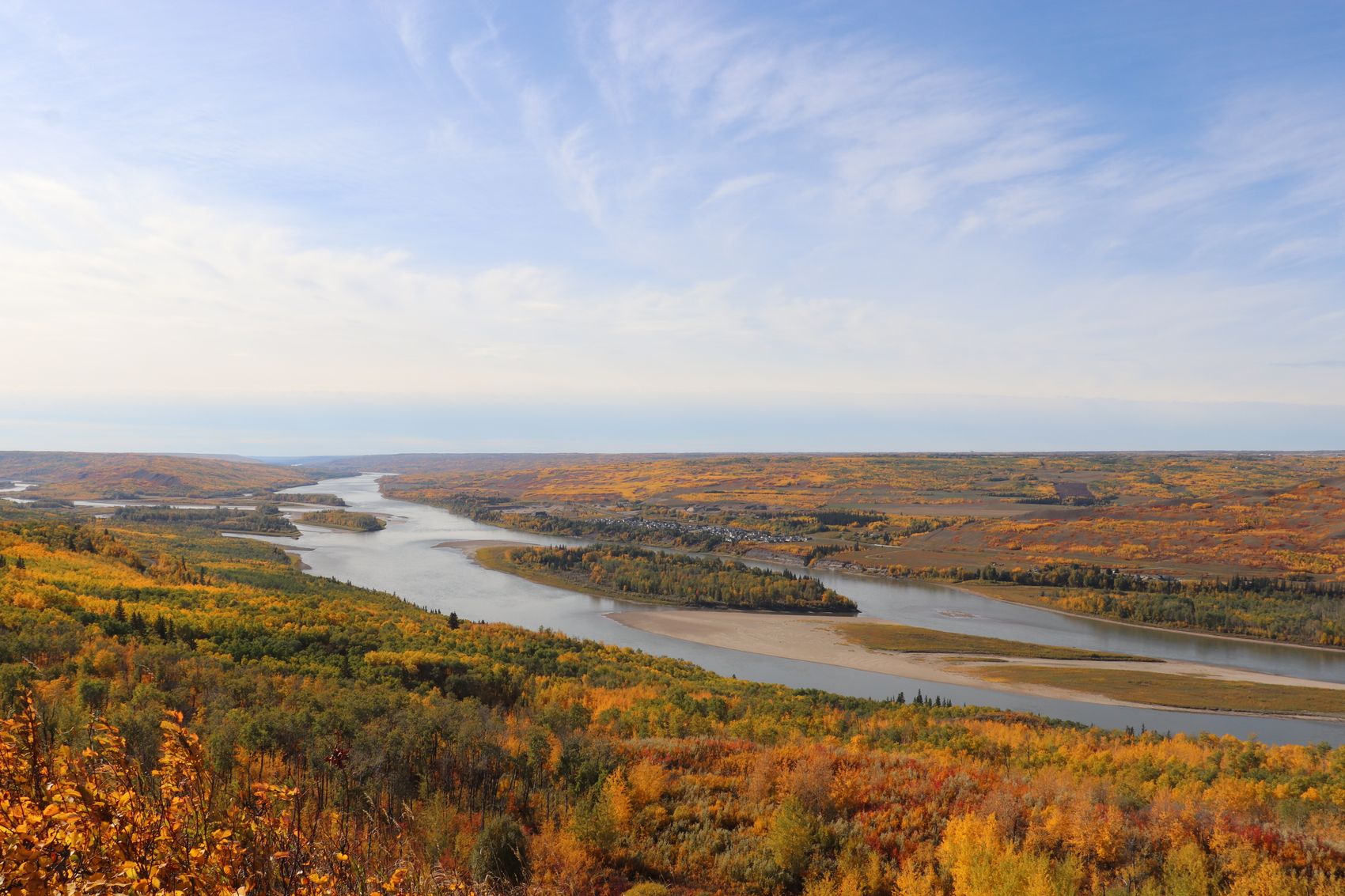
As late summer arrives in the Yukon, the forest floor and mountain tundra burst into a bounty of wild fruit. From tart low-bush cranberries and juicy blueberries to rare arctic cloudberries — often called “tundra gold” — picking wild berries is a cherished northern pastime. Here’s a guide to what grows, how to forage safely in bear country, and what to do with your haul.
What’s out there
The stars are low-bush blueberries, tart and abundant on open hillsides; low-bush cranberries (lingonberries), which sweeten after the first frost; and cloudberries, amber and prized, found in boggy tundra. You’ll also encounter crowberries, soapberries, and rose hips. Learn to identify each confidently before eating anything.
Where and when
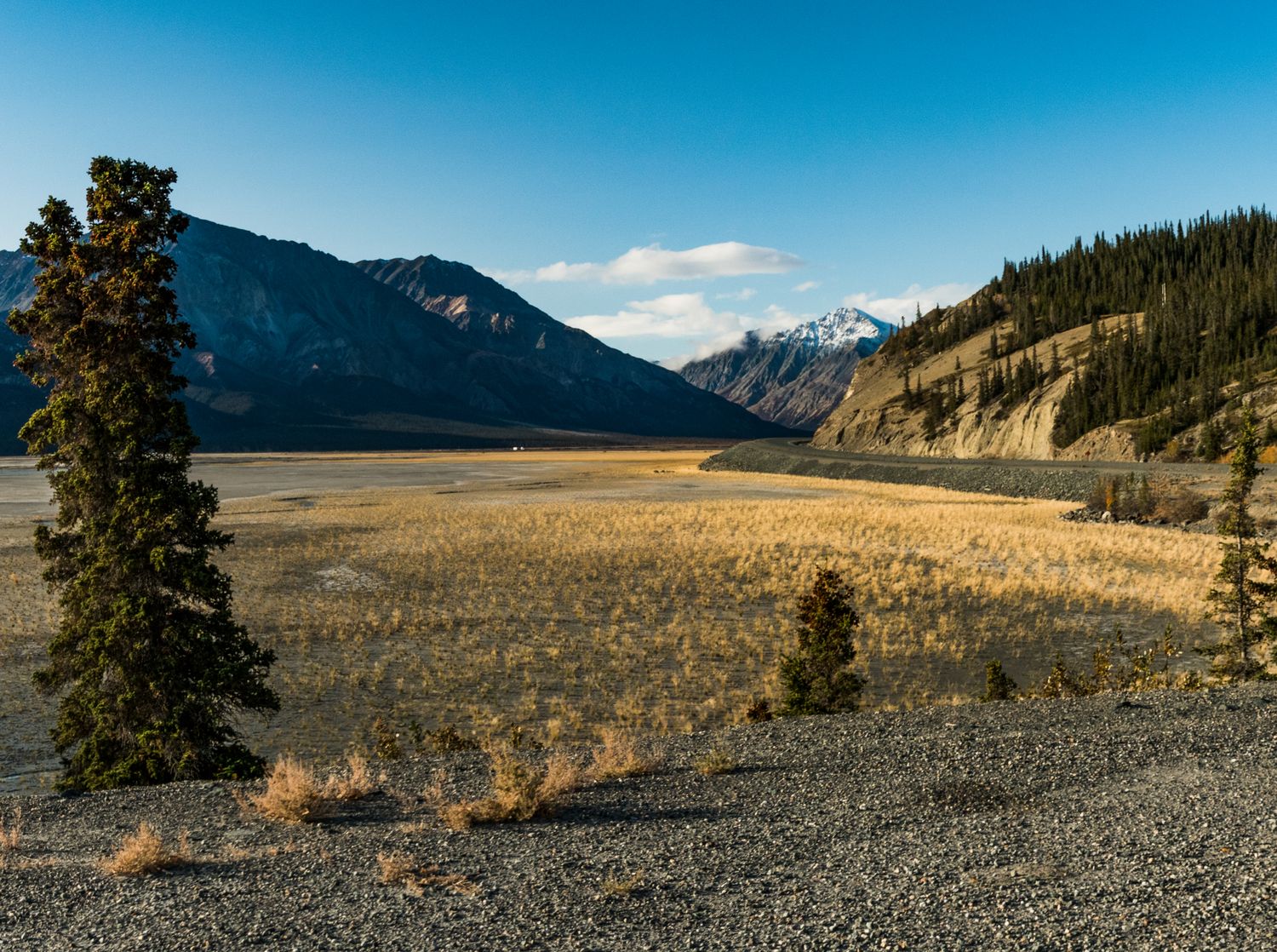
Berry season peaks from about August into September, varying by elevation and year. Open, sunny slopes, recently burned areas, roadside clearings, and alpine tundra are all productive. A short walk from many highways puts you in good picking, though the best patches are a locally guarded secret.
Forage safely
Two rules matter most. First, be certain of your identification — when in doubt, leave it out, and consult a good regional guide or a knowledgeable local. Second, remember that berries are bear food: make noise, stay alert, keep children close, carry bear spray, and never fixate on a patch so intently that you lose track of your surroundings. Bears and pickers want the same fruit.
In the kitchen
Wild berries shine in jams, jellies, pies, pancakes, and sauces for game. Fireweed and cranberry jellies are classic Yukon preserves, and a handful of fresh blueberries needs nothing at all. Freeze extras to carry the taste of the North into winter.
Pick responsibly
Take only what you’ll use, leave plenty for wildlife and other pickers, tread lightly on fragile tundra, and respect any First Nations traditional-use areas. Foraging is a privilege that depends on everyone treating the land gently.
There’s something deeply satisfying about eating straight from the landscape you’re travelling through. Time your visit for late summer, watch for bears, and the Yukon will fill your hands — and your pancakes — with sweet northern flavour.