When Is the Best Time to Visit the Yukon? A Season-by-Season Guide
Daylight, weather, aurora odds, and activities compared month by month.
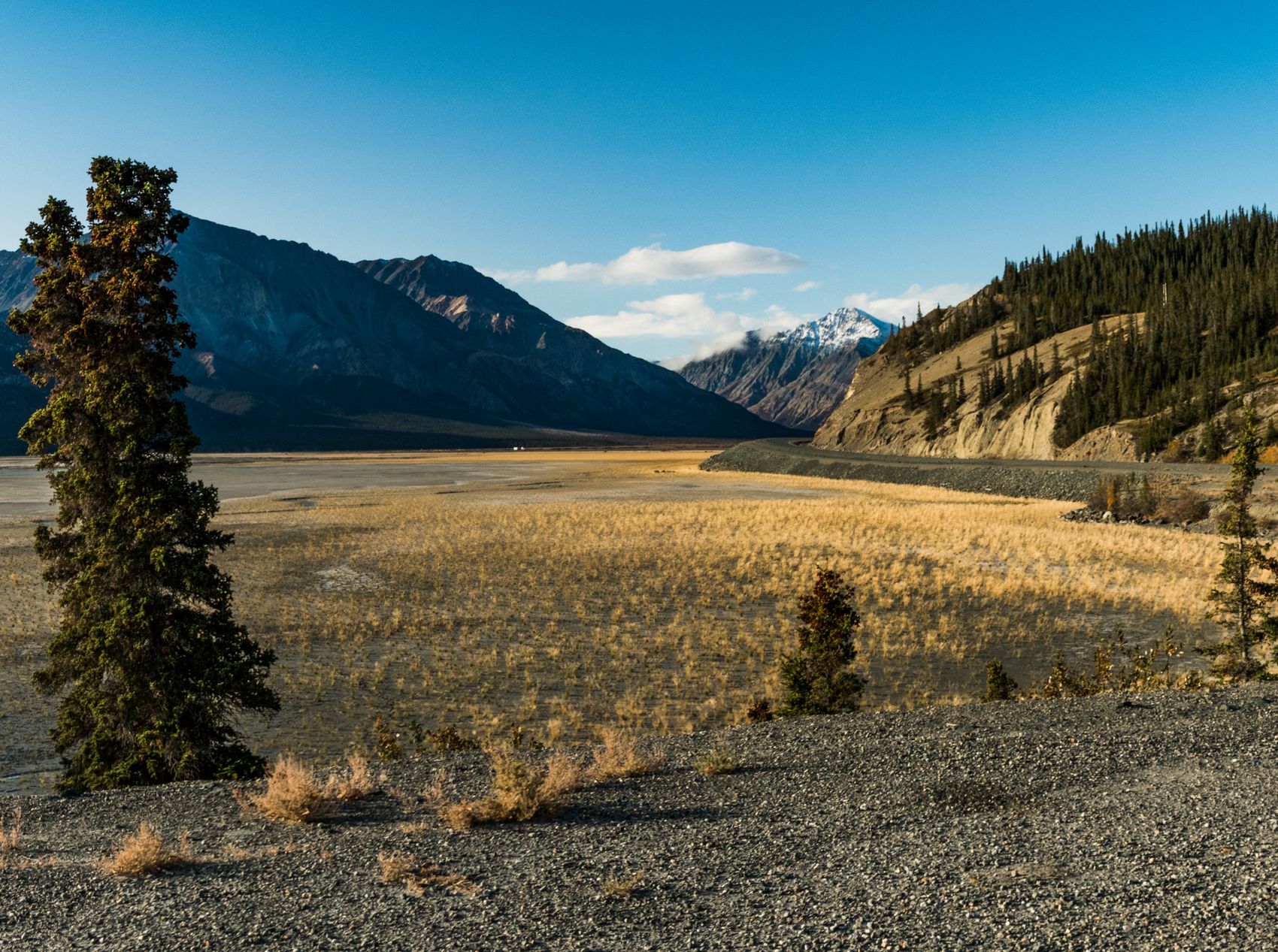
Should you come in July for 24 hours of midnight sun, or in September to catch autumn tundra colours alongside the returning northern lights? Or maybe February for epic dog sledding and frozen landscapes? Every season in the Yukon offers a completely different world. Here’s a season-by-season breakdown of weather, daylight, aurora odds, and activities to help you decide when to plan your adventure.
Spring (April–May)
Shoulder-season spring is a time of transition: melting ice, returning birds, and lengthening days. Temperatures climb from cold to mild, snow lingers then recedes, and prices and crowds are low. Early spring still offers aurora on dark nights, while late spring opens up hiking and paddling as the land greens up. It’s a quieter, in-between time with real value for flexible travellers.
Summer (June–August)
The peak season, and for good reason. Around the June solstice the midnight sun brings up to 24 hours of usable light, powering hiking, canoeing, fishing, wildlife watching, road trips, and festivals. Weather is at its warmest (though evenings stay cool), and everything is open. The trade-offs: no aurora (too bright), the highest prices and crowds, and mosquitoes. Book ahead.
Autumn (September–early October)
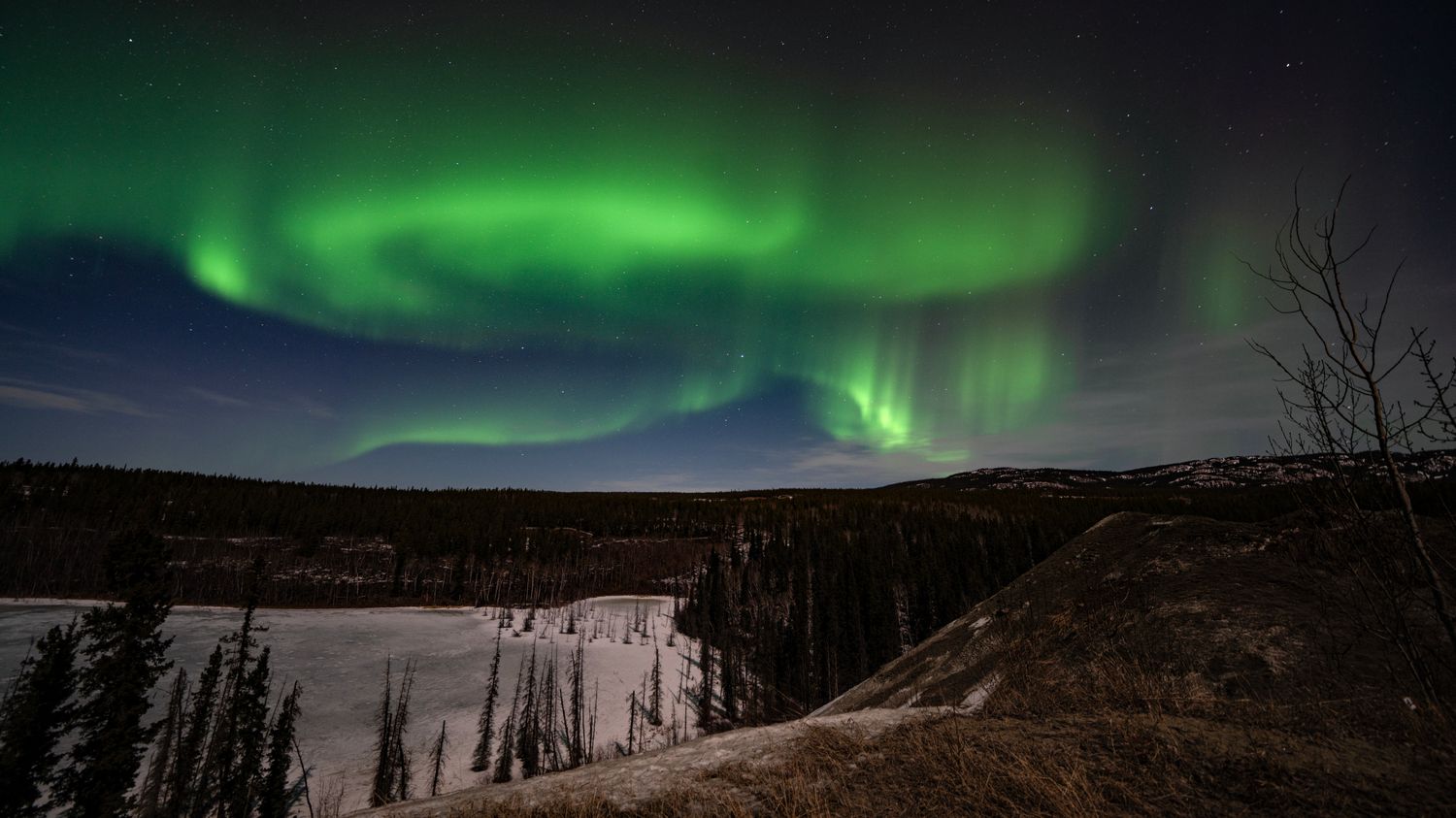
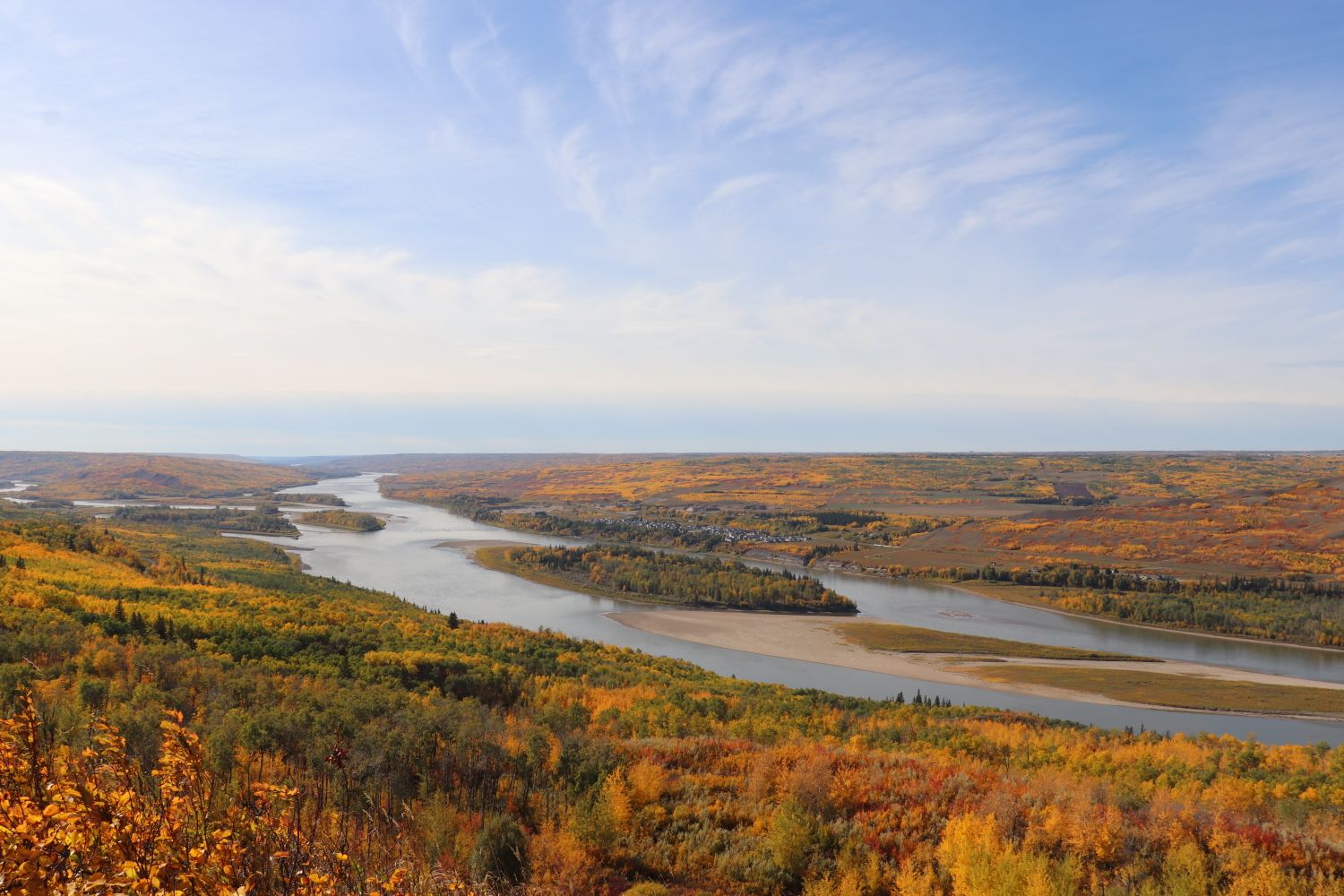
Many locals’ favourite. In late August and September the tundra and forests blaze red and gold — Tombstone is world-famous for it — while the returning darkness brings back the aurora, often with milder temperatures than deep winter. Crowds thin and prices ease. The season is short and the weather variable, but the combination of colour and northern lights is hard to beat.
Winter (November–March)
The season of the north at its most dramatic. Long, dark nights deliver the best aurora odds, and the frozen landscape opens up dog sledding, snowshoeing, skiing, fat-biking, ice fishing, and hot-spring soaks. It’s cold — often well below -20°C — and daylight is short around the December solstice, but with the right clothing it’s magical. February also brings the Sourdough Rendezvous festival.
So, when should you go?
For the midnight sun and outdoor adventure, come in summer. For aurora plus autumn colour and fewer crowds, September is the sweet spot. For the classic winter-wonderland-and-northern-lights trip, aim for December through March. And for quiet and value, consider the spring shoulder. There’s no bad time — only different Yukons, each worth the trip.