À bord du S.S. Klondike : le vapeur qui a façonné le Nord
Comment ces géants à roue arrière furent l’artère vitale du territoire avant les routes.
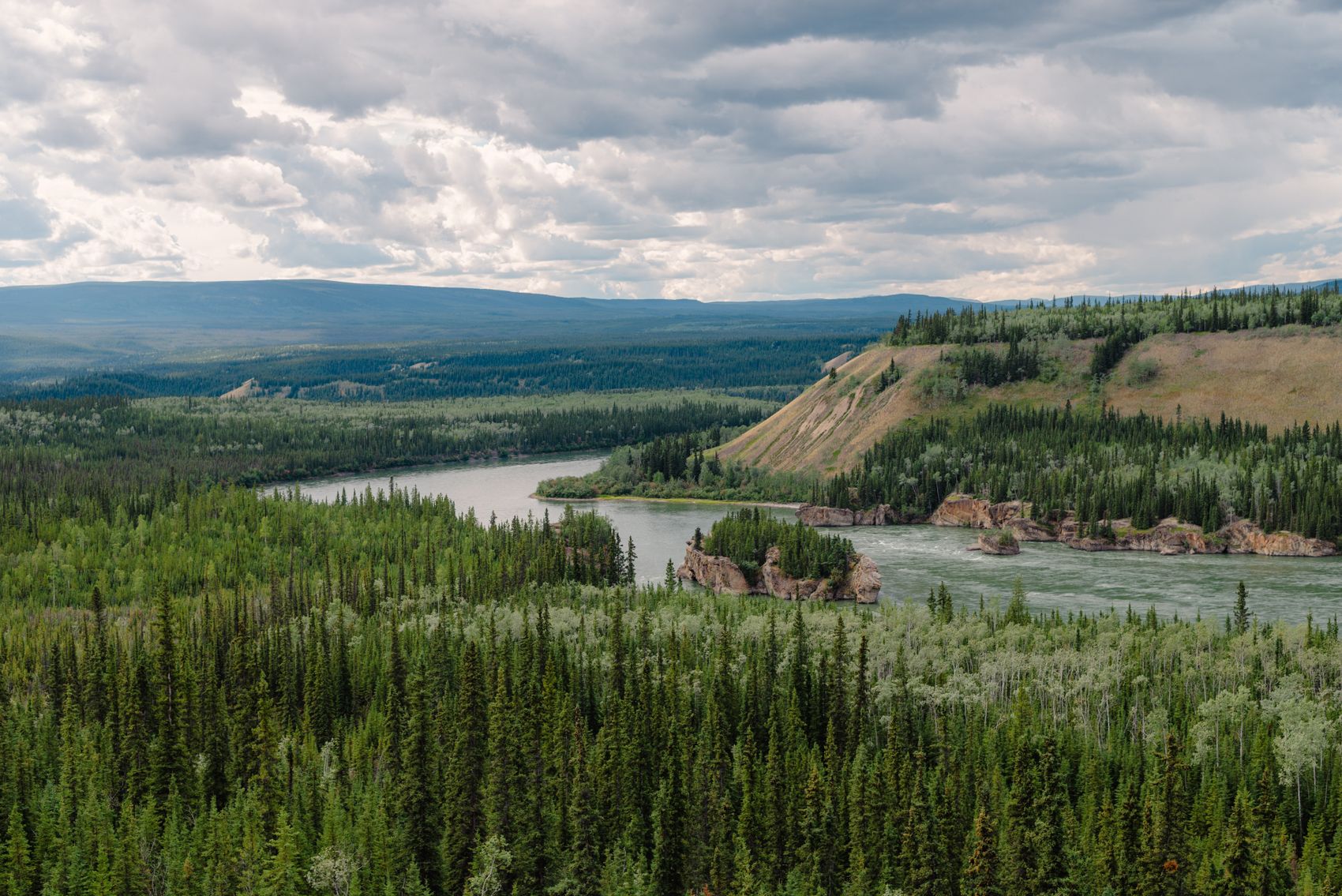
Long before highways connected the Yukon to the outside world, giant paddle-wheel riverboats were the territory’s lifelines. The S.S. Klondike — the largest sternwheeler ever to work the Yukon River — carried freight, ore, and passengers between Whitehorse and Dawson City. Today the restored vessel is a National Historic Site on the Whitehorse waterfront and a fascinating window into the golden age of northern river travel.
The age of the sternwheelers
For the first half of the 20th century, flat-bottomed sternwheelers were how almost everything moved through the interior. They hauled silver-lead ore downriver, carried supplies and settlers up, and linked communities that had no roads. The river was the highway, and boats like the Klondike were its trucks and buses combined.
A boat built for the river
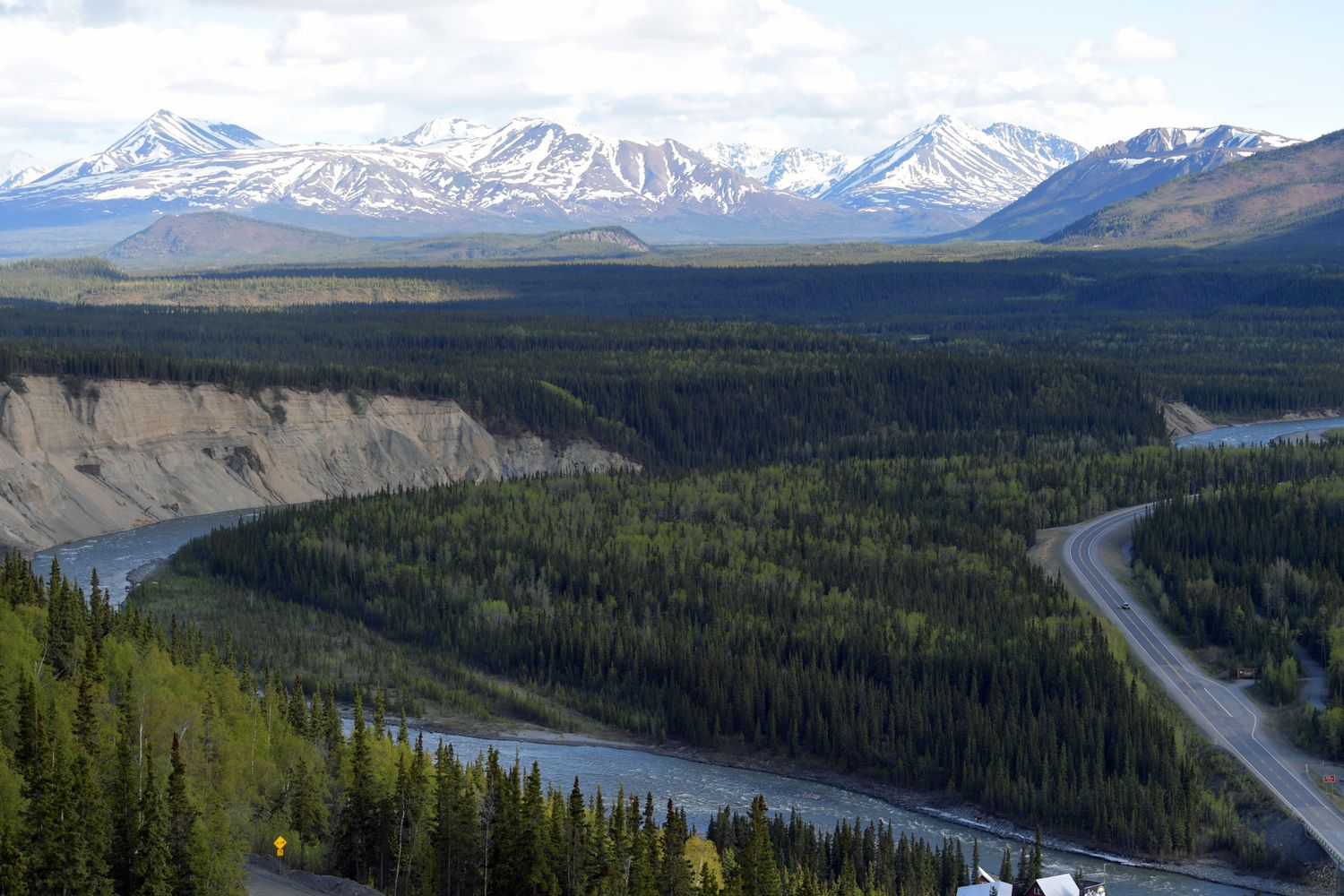
The Klondike was built for the Yukon’s shallow, braided channels: broad, flat, and powered by a huge stern paddlewheel that could push through water only a metre or two deep. Downstream to Dawson took a day and a half; the return upstream, against the current, took the better part of a week and burned enormous quantities of wood.
Touring the ship
Parks Canada has restored the vessel to its 1930s–40s heyday, and guided and self-guided tours take you from the freight deck to the passenger cabins, the galley, and the wheelhouse. Interpreters bring the crew and the era to life, explaining how the boats were loaded, navigated, and “grasshoppered” over sandbars with spars and winches.
Planning a visit
The ship sits right in Whitehorse, an easy walk or short drive from downtown, and tours run mainly in the summer season. It pairs naturally with the nearby waterfront trail and the MacBride Museum for a half-day of Yukon history.
The end came when the road network reached the interior and the riverboats were suddenly obsolete. The S.S. Klondike survives as their monument — a chance to stand on the deck of the vessel that, for decades, was the beating heart of the territory.