L’ingénierie au service de la nature : la passe à poissons de Whitehorse
La plus longue échelle à poissons en bois du monde, sur une remontée de 3 000 km.
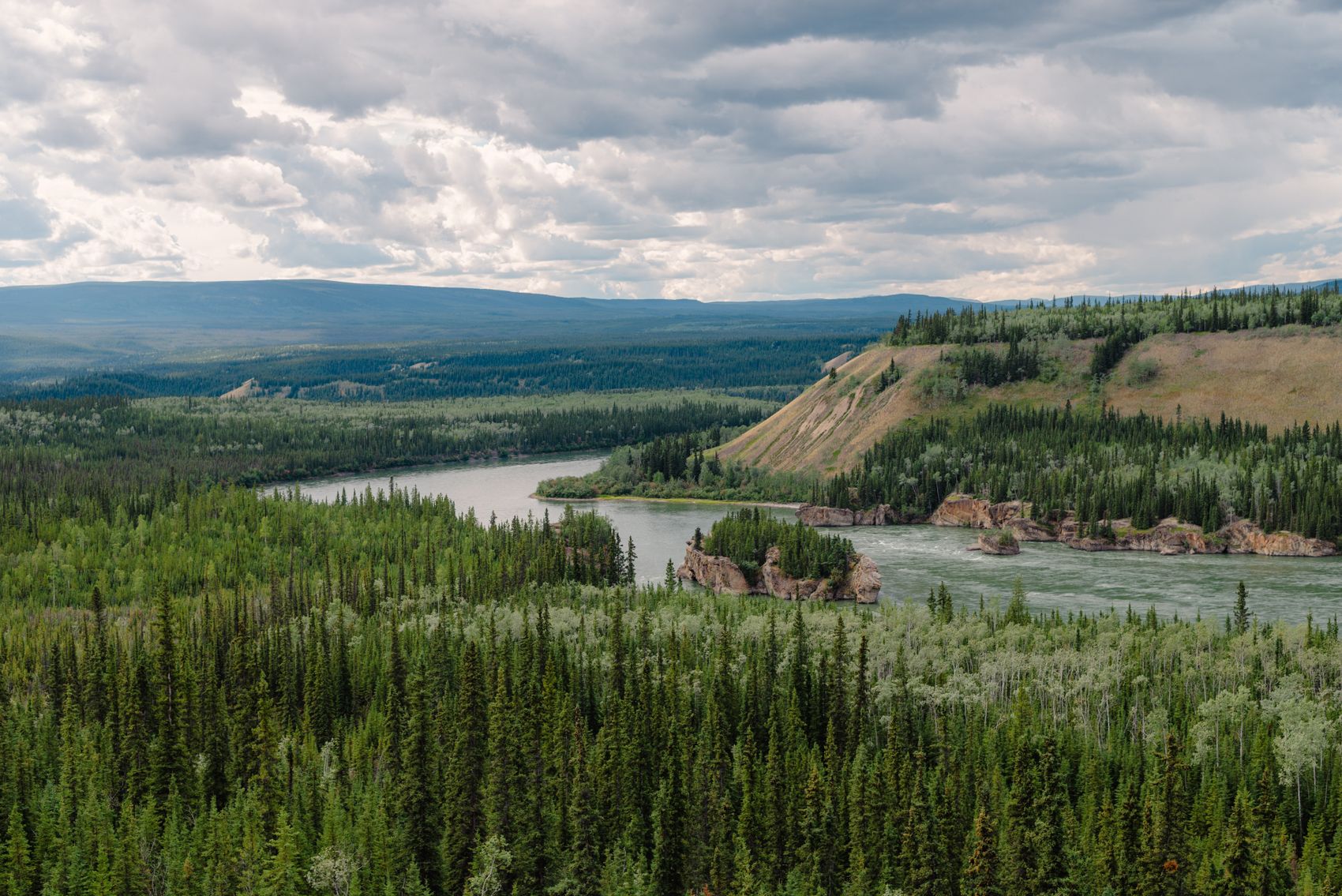
Every summer, chinook (king) salmon undertake a gruelling journey of roughly 3,000 kilometres from the Bering Sea up the Yukon River to spawn — one of the longest salmon migrations anywhere. Standing in their path at Whitehorse is a hydroelectric dam, and beside it, the world’s longest wooden fish ladder, built to help the salmon over. With underwater viewing windows, the Whitehorse Rapids Fishway is a genuinely cool stop for anyone curious about nature and engineering.
Why the ladder exists
When the dam was built, it blocked the ancient migration route of salmon returning to spawn upstream. The fishway — a long, gently ascending wooden channel — gives the fish a way around the dam, letting them continue a journey their ancestors have made for millennia. It’s a working piece of conservation infrastructure, not just an exhibit.
What you’ll see
Inside the interpretive facility, viewing windows let you watch the big fish rest and push upstream against the current — remarkable up close, given how far they’ve already come. Displays explain the salmon’s life cycle, the challenges they face, and the First Nations relationship with the river and its fish. A counting operation tracks the run.
Timing your visit
The salmon run is seasonal, typically peaking in mid-to-late summer, so check current timing before you go — arrive too early and the ladder may be quiet. The facility is on the Whitehorse waterfront near the dam, an easy addition to a day in the city.
Why it matters
Yukon chinook numbers have faced serious pressure in recent years, making the fishway a focal point for conservation awareness as well as a great visit. Understanding the salmon’s epic journey — and the threats to it — adds real weight to what could otherwise be just a curiosity.
Equal parts natural wonder and human ingenuity, the Whitehorse Fishway is a quietly moving stop: proof that with a little effort, people and wild salmon can share the same river.