À la découverte des arts et centres culturels des Premières Nations
Comment rencontrer 14 cultures vivantes avec respect et soutenir le tourisme autochtone.
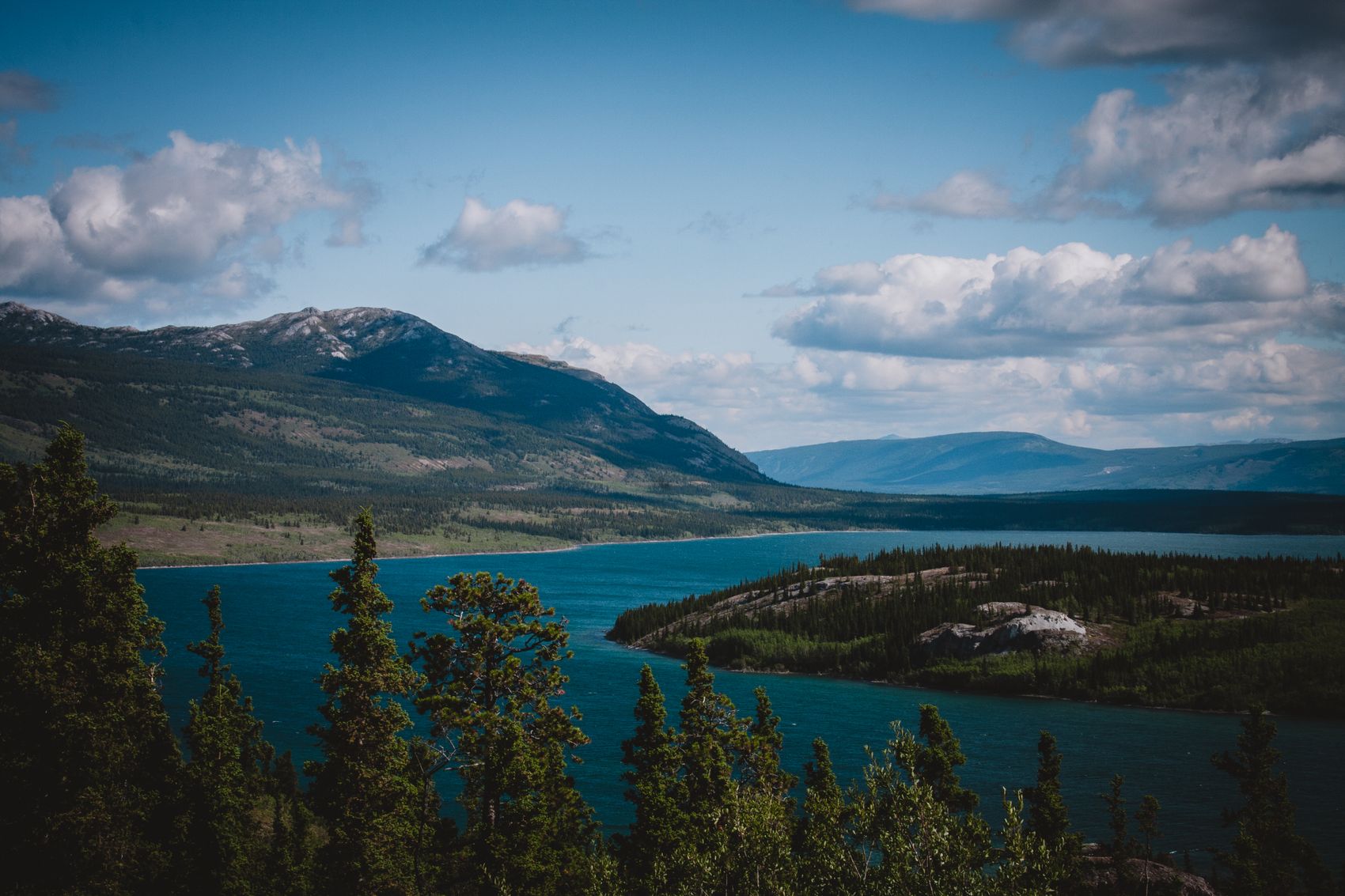
It is easy, arriving as a visitor, to read the Yukon through the lens of the gold rush — a story of newcomers and a few frantic years in the 1890s. But that story is a thin recent layer over something far deeper. Fourteen First Nations call the Yukon home, and their peoples have lived on, travelled through, and cared for this land for thousands of years. Their cultures are not relics or exhibits; they are living, present, and central to the identity of the territory today. Taking the time to learn about them, respectfully and with humility, will transform your understanding of everywhere you go.
Fourteen nations, many languages
The Yukon’s First Nations belong to several distinct language families and cultural traditions, from the Southern and Northern Tutchone to the Tlingit, Gwich’in, Kaska, Tagish, Han, and others. Many now govern themselves under modern land-claim and self-government agreements that are among the most comprehensive in Canada, a hard-won framework that shapes how the territory is run. As a visitor you will encounter this living presence everywhere — in place names, in art, in the stewardship of the land, and in the people you meet.
Kwanlin Dün Cultural Centre
The best place to begin is on the Whitehorse waterfront at the Kwanlin Dün Cultural Centre, a striking building that serves as a gathering place, gallery, and performance space for the Kwanlin Dün First Nation and a welcoming introduction for visitors. Its exhibitions, longhouse, and programming offer an accessible, generous entry point into the culture of the region. Check the schedule — you may catch a performance, a talk, or an art opening that turns a quick visit into something memorable.
The Adäka Cultural Festival
If your trip falls in early summer, seek out the Adäka Cultural Festival in Whitehorse. Adäka means "coming into the light" in the Southern Tutchone language, and the festival gathers First Nations artists, carvers, dancers, storytellers, and knowledge-keepers from across the Yukon and beyond for a week of performances, workshops, and exhibitions. It is one of the richest and most welcoming windows into contemporary northern Indigenous culture anywhere, and it makes clear that these traditions are not frozen in the past but actively evolving.
Beyond Whitehorse
Culture radiates far beyond the capital. In the south, the Teslin Tlingit Heritage Centre presents the traditions of the Inland Tlingit, including a remarkable collection of clan crests and regular gatherings. In the far north, the fly-in Gwich’in community of Old Crow — the Yukon’s northernmost settlement, reachable only by air — offers a profound sense of a people living in deep relationship with the land and the Porcupine caribou herd. Many communities along the highways maintain interpretive centres and welcome respectful travellers who take the time to stop.
Art and craft
First Nations art is one of the most rewarding things to seek out and, where appropriate, to buy directly from the makers. Beadwork, moose-hide and caribou-hide work, carving, and contemporary painting and printmaking all carry deep cultural meaning. Purchasing directly from artists or from reputable cultural centres ensures your money supports the community and that what you take home is authentic. Ask about the story and the maker behind a piece; that story is part of what you are bringing home.
Visiting with respect
A few simple principles go a long way. Approach First Nations culture as a guest and a learner, not a consumer of experiences. Ask before photographing people or ceremonies, and accept that some things are not for outsiders to see or record. Listen more than you speak. Acknowledge that you are travelling on the traditional territories of specific nations, and take the small step of learning whose land you are on as you move through the territory. Support Indigenous-owned tourism operators, who can share their culture on their own terms.
Why it matters
You can enjoy the Yukon’s mountains, rivers, and northern lights without any of this — but you will understand them far less. The land you are travelling through has been named, storied, hunted, and cared for by these nations since long before anyone thought to look for gold in its creeks. Engaging with that living history, honestly and respectfully, is not an add-on to a Yukon trip. It is one of the deepest things the territory has to offer, and many visitors find it the part they carry with them longest.