Frontières oubliées : 4 villes fantômes du Yukon figées dans le temps
Villes minières abandonnées, dragues rouillées et cabanes intactes.
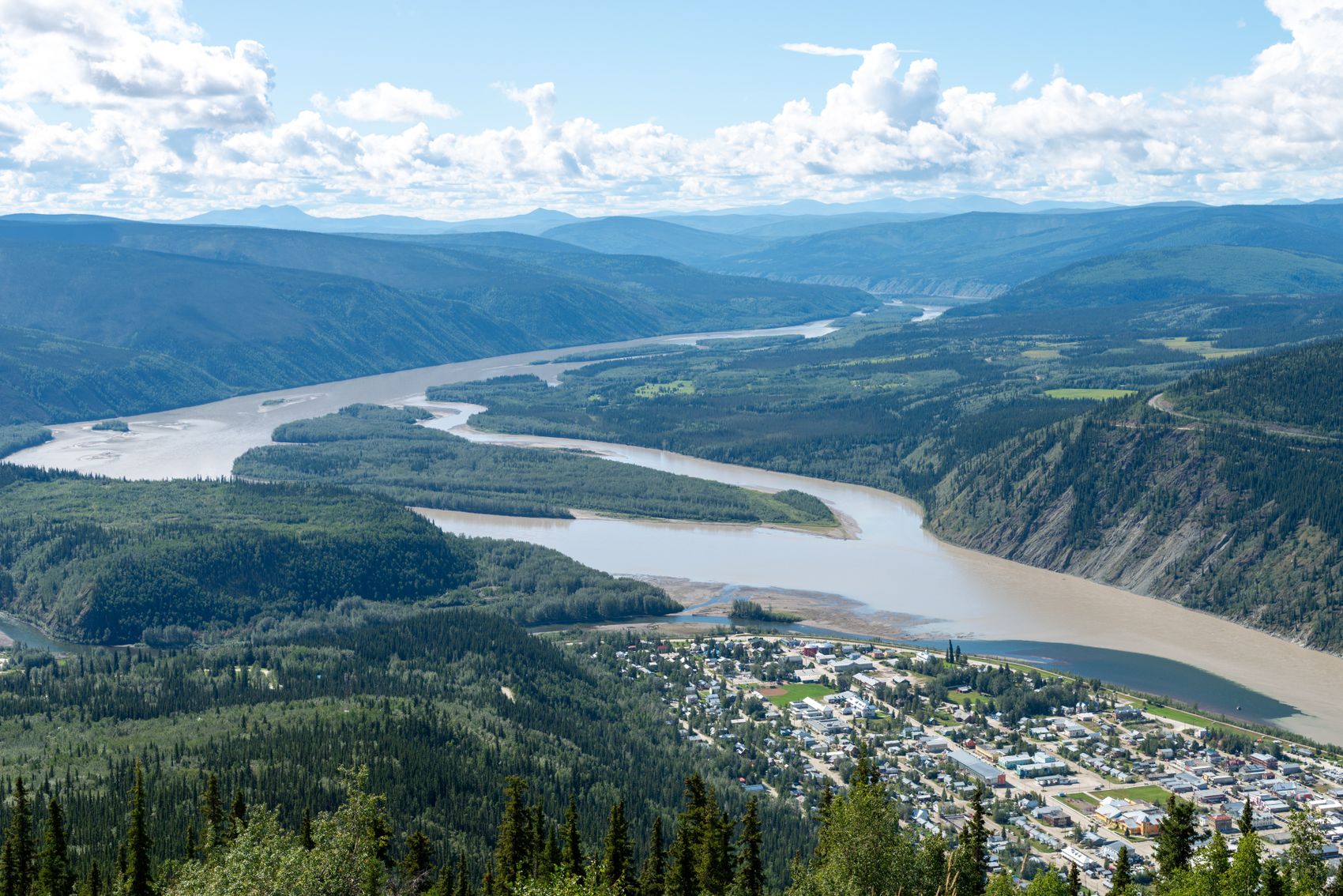
When the gold boom swept through the Yukon in the late 1800s, towns sprang up overnight — only to be abandoned just as fast when the gold ran out or the rush moved on. Today, hidden across the territory, are decaying boomtowns, rusted dredges, and ghost towns where history sits quietly untouched. Here are a few fascinating historic sites you can still visit, and how to explore them responsibly.
Fortymile and the earliest strikes
Before the Klondike, prospectors worked the Fortymile River and built settlements that are now largely returned to the bush. These earliest gold-rush sites, near the Alaska border, tell the story of the miners who were already in the country when the big 1896 strike changed everything.
Silver City and Kluane
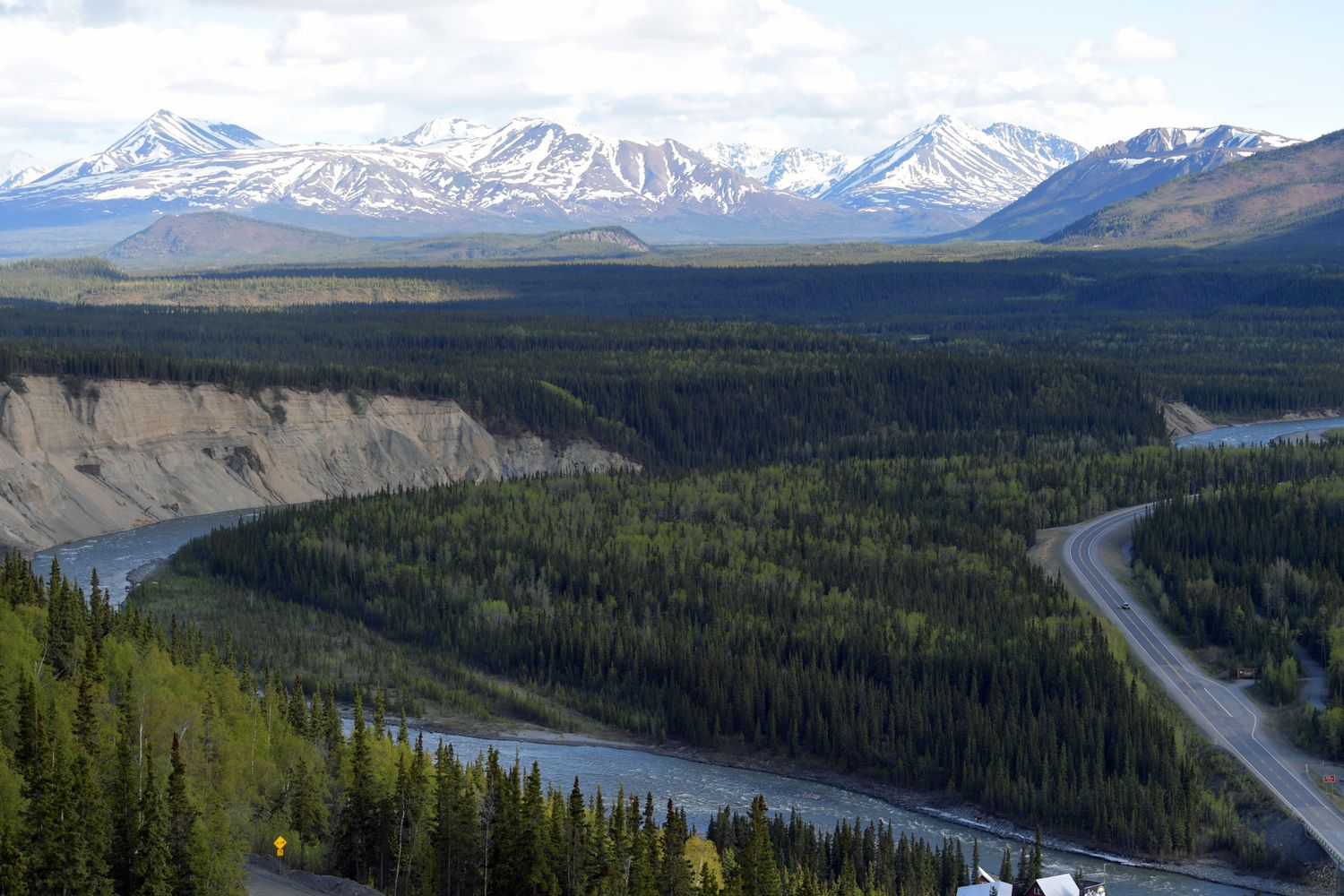
On the shores of Kluane Lake, the weathered log buildings of Silver City recall a brief boom tied to mining and the old Kluane wagon road. Easily seen from the highway, its collapsing cabins make an evocative, accessible stop.
Dredges and the industrial ruins
Around Dawson City, the goldfields are studded with the bones of the industrial era that followed the initial rush — most spectacularly Dredge No. 4, a preserved wooden dredge the size of a building, plus tailings and abandoned equipment along the creeks. These aren’t towns exactly, but they’re haunting monuments to the scale of the gold hunt.
Venturing further
More remote sites — old roadhouses, telegraph stations, and riverboat woodcamps — lie scattered along the rivers and historic trails, some reachable only by boat, foot, or serious backroad driving. Local museums and historic-site staff can point you toward what’s safely accessible.
Explore with respect
Ghost sites are fragile and often protected. Look, photograph, and imagine — but never take artifacts, enter unstable structures, or disturb the remains, and be aware that many sites sit on First Nations traditional territory. Watch for hazards like open shafts and rotting timber, and carry bear precautions in the backcountry.
Wandering a Yukon ghost town, with the wind moving through empty cabins and the creeks still carrying flecks of gold, is one of the most atmospheric ways to feel the boom-and-bust drama that shaped the territory.