Descendre le mythique fleuve Yukon en canot : le guide essentiel
Itinéraire, matériel et difficulté pour la grande descente vers Dawson.
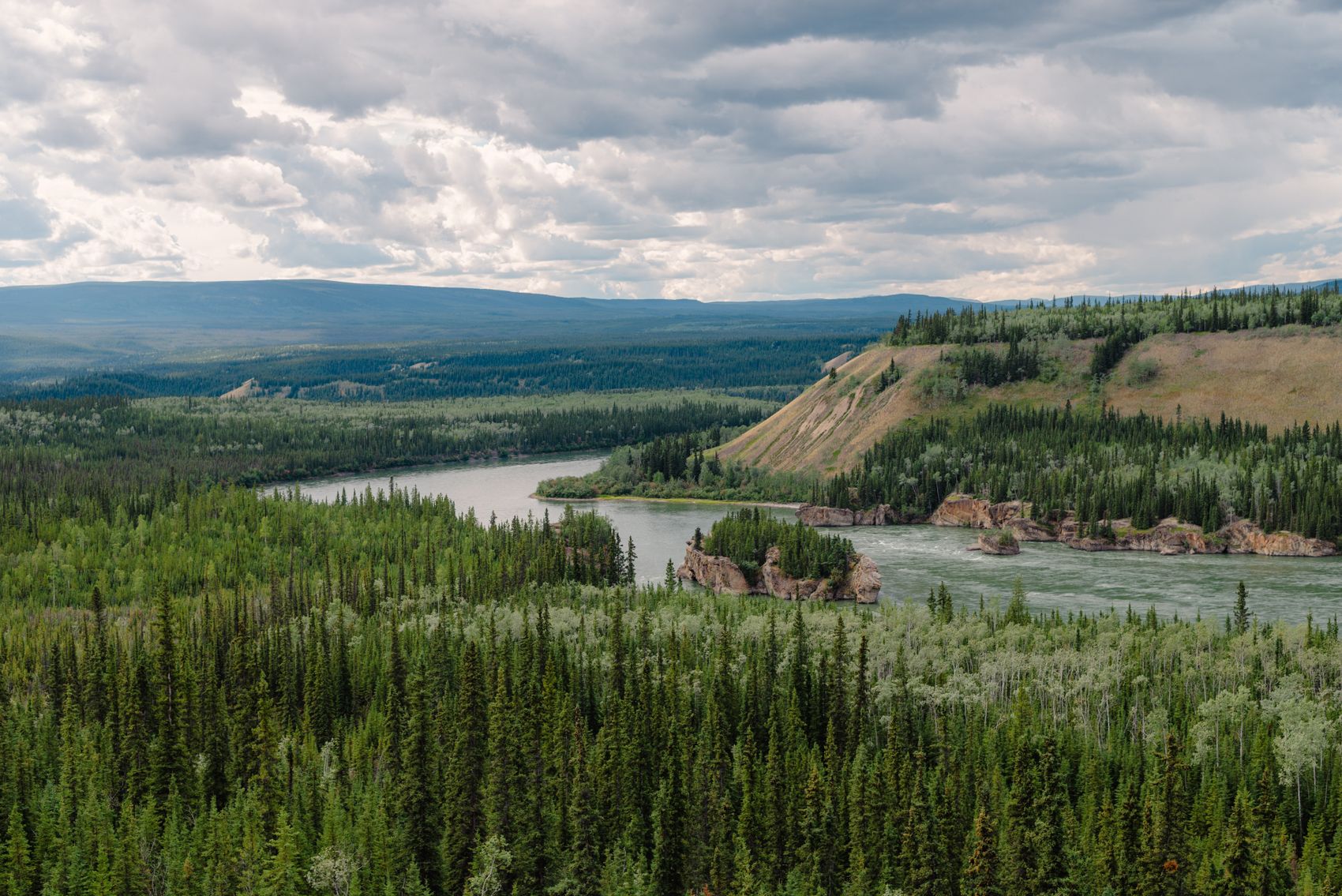
In the summer of 1898 the Yukon River carried thousands of hopeful, exhausted prospectors toward the Klondike goldfields on rafts and in leaky homemade boats. More than a century later the same river carries a very different kind of traveller — the recreational paddler — on what is arguably the most accessible wilderness canoe trip in the world. The classic run from Whitehorse to Carmacks covers about 320 kilometres and takes most people four to five unhurried days, and you do not need to be an expert to do it.
Why this river is different
The Yukon is a big, powerful river, but the section most paddlers travel is not whitewater. It is a broad, fast-flowing highway of moving water that does much of the work for you, carrying your canoe downstream at a steady clip while you watch the banks slide past. That makes it ideal for reasonably fit beginners with basic camping skills, and it is why so many first-time wilderness canoeists cut their teeth here. You are not fighting the river; you are travelling with it.
That said, this is genuine backcountry. There are no roads, no shops, and no easy exits between put-in and take-out. Weather can change quickly, water is cold, and self-sufficiency is the rule. Anyone attempting the trip should be comfortable reading current, handling a loaded canoe, camping for several days, and dealing with wildlife responsibly.
The route, day by day
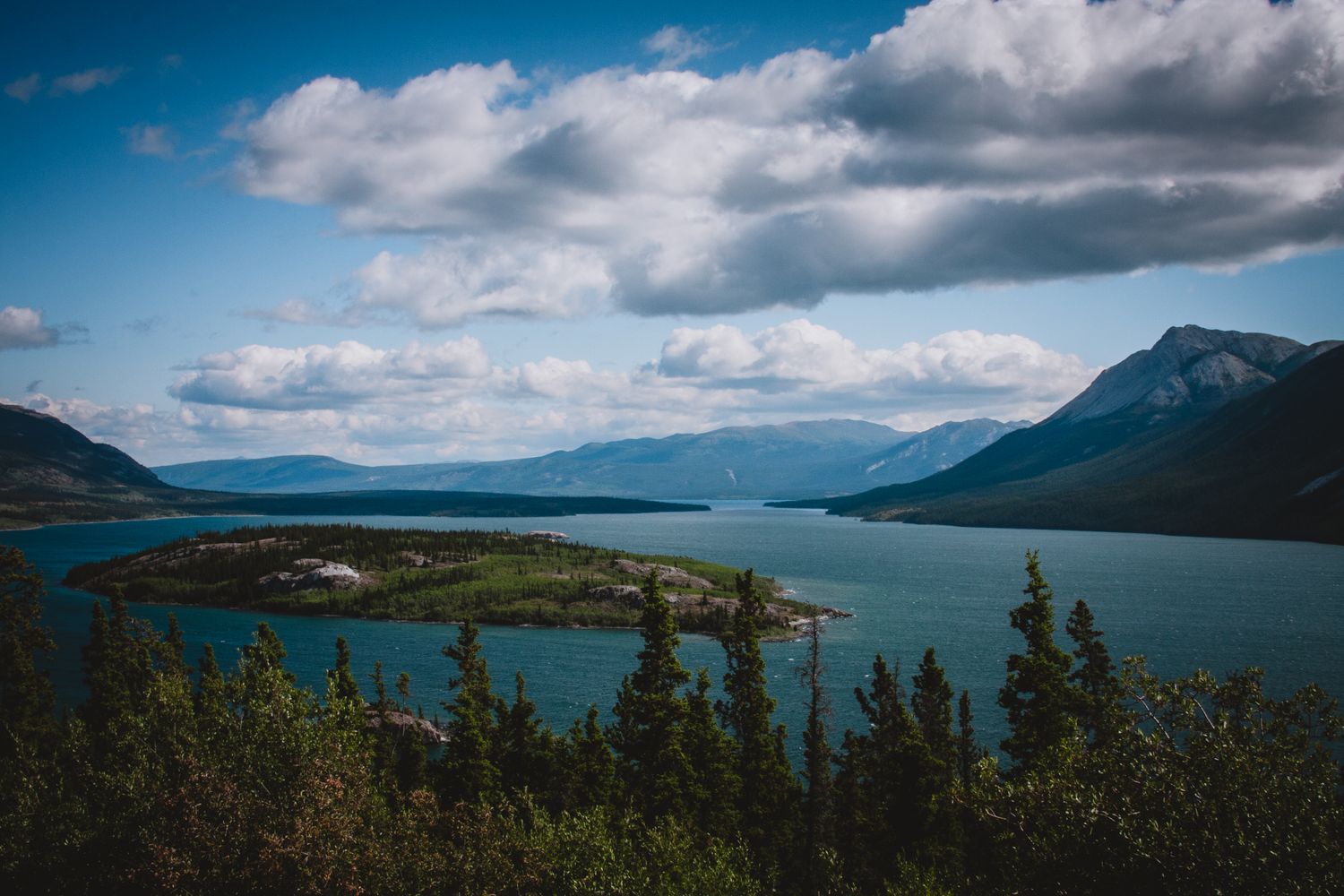
Most trips launch from Whitehorse and end at the bridge in Carmacks, where a road allows a shuttle pickup. The first major feature is Lake Laberge, a long, wide lake immortalised in Robert Service’s poem "The Cremation of Sam McGee." The lake is the one stretch that demands real respect: with no current to help and plenty of open water, a headwind can whip up waves that pin paddlers on shore for hours. Start early, hug the shoreline, and be willing to wait out the wind.
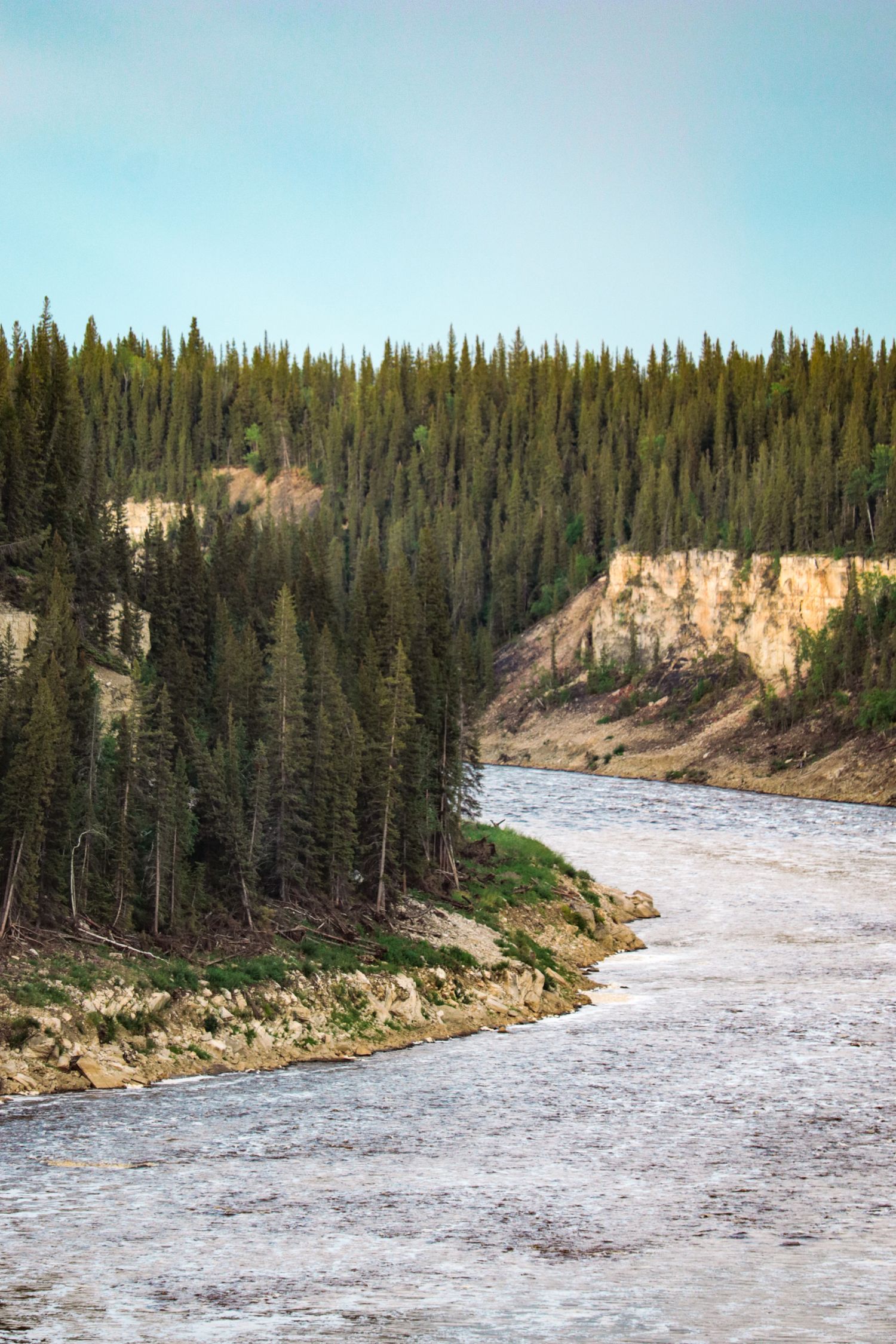
Below the lake the river narrows and quickens through the Thirtymile section, a designated Canadian Heritage River reach that many paddlers rank as the most beautiful of the trip — clear water, sharp bends, and the remains of old woodcamps and telegraph stations along the banks. From there the river broadens again and rolls steadily toward Carmacks, past Hootalinqua and the ghostly wreck of the sternwheeler Evelyn on Shipyard Island.
Wildlife and camps
Because you travel quietly and low to the water, the Yukon is superb for wildlife. Bald eagles perch in the spruce, moose wade in the shallows, beavers slap the water at dusk, and black bears occasionally patrol the shoreline. Camp on the gravel bars and islands, which stay cooler and buggier-free than the forest and leave less impact. Practise strict food storage, keep a clean camp, and give any animal you meet a wide, calm berth.
Planning and outfitting
You have two broad options. Experienced paddlers with their own gear can run the trip independently, arranging a canoe rental and a shuttle back from Carmacks through one of the outfitters in Whitehorse. Everyone else can join a guided expedition, where a professional handles route-finding, camp craft, and cooking, and you simply paddle and take it all in. Either way, book early for summer, the short season when the river is busiest.
If you want a real challenge, time your visit to the Yukon River Quest, billed as the world’s longest annual canoe and kayak race, which runs from Whitehorse all the way to Dawson City. Watching the racers launch — or paddle through the night under the midnight sun — is a spectacle in itself, even if you have no intention of competing.
Pack for cold water and warm sun in the same day: layers, reliable rain gear, a warm hat, sun protection, and a dry bag for anything that must stay dry. Bring more insect repellent than you think you need. And leave room in your schedule to simply drift — to ship the paddle, lie back against the packs, and let the country carry you the way it once carried everyone who came this way. It is the closest most of us will ever come to travelling by the oldest highway in the North.