Se baigner au paradis : guide local d’Eclipse Nordic Hot Springs
Bassins thermaux, bains froids et cheveux givrés — à quoi s’attendre et quand venir.
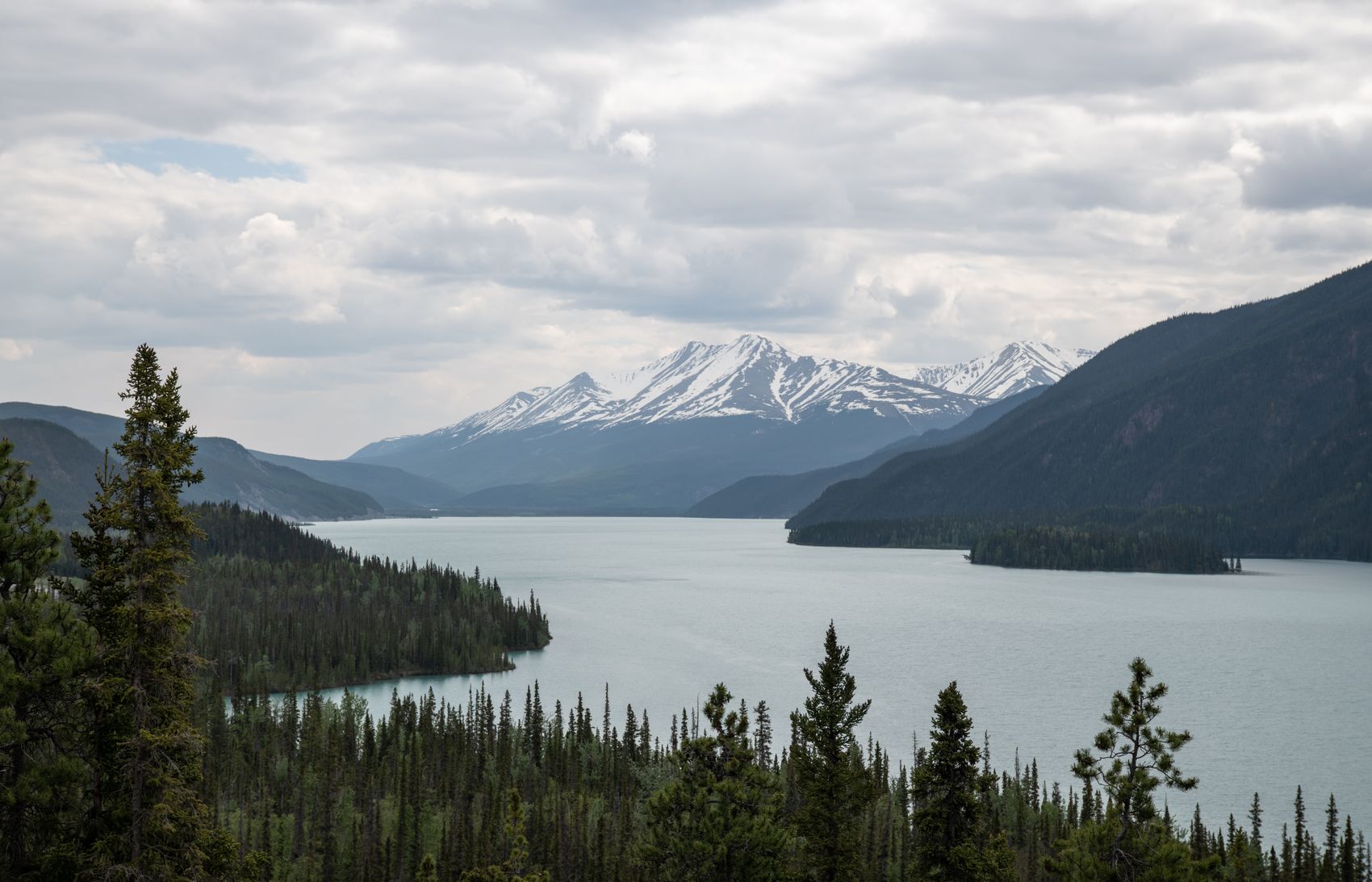
After a day spent hiking a ridge, paddling a river, or standing in the cold waiting for the northern lights, there are few pleasures as complete as lowering yourself into naturally hot water under a northern sky. The Yukon’s hot springs have been a gathering place and a restorative for a very long time, and today they remain one of the simplest and most beloved things to do in the territory — accessible, affordable, and open in every season.
The Takhini tradition
Just outside Whitehorse, along Takhini Hot Springs Road, mineral-rich water rises warm from the ground and has drawn people to soak for generations. For decades this was the territory’s favourite hot-springs destination, a rustic, much-loved spot where locals and visitors alike came to ease tired muscles and watch the seasons turn. It sits in a pretty setting of forest and farmland a short drive from the city, close enough for an easy afternoon or evening outing.
Eclipse Nordic Hot Springs
In recent years the site has been transformed into Eclipse Nordic Hot Springs, a reimagined Nordic-style spa built around the same natural thermal water. The Nordic tradition follows a simple, deeply satisfying cycle: soak in hot water until you are thoroughly warmed, brace yourself with a cold plunge or a roll in the snow, then rest and let your body settle before beginning again. Add saunas and quiet relaxation areas set among the trees, and you have a facility that turns a quick dip into a genuinely restorative ritual. It operates year-round, and each season offers something different.
Soaking through the seasons
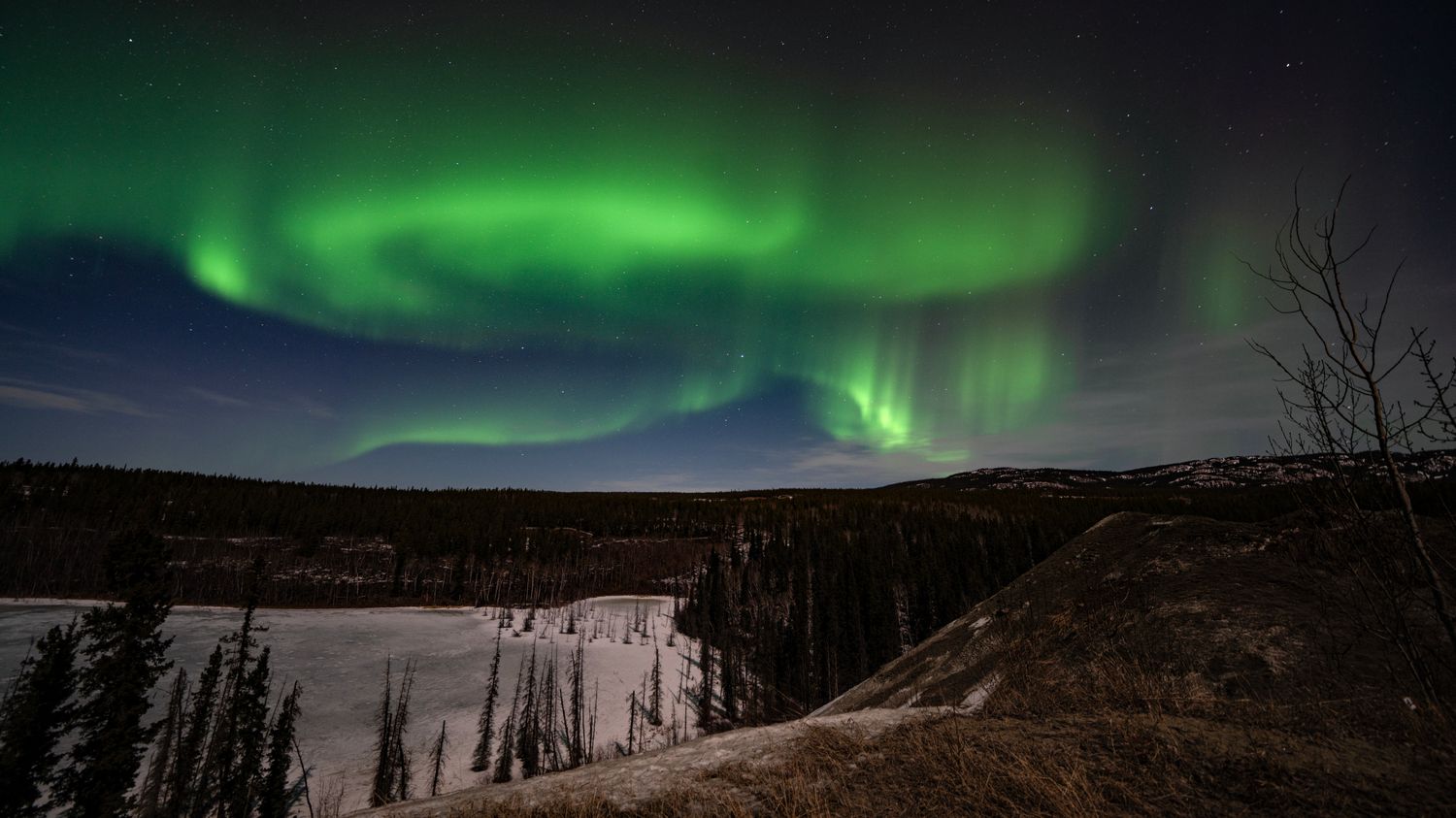
Summer soaking is lovely — warm water under the long golden light of the midnight sun, surrounded by green. But it is winter that makes a Yukon hot spring unforgettable. When the air temperature drops far below freezing, the contrast becomes extraordinary: your body is submerged in hot water while the cold pinches your face, steam pours off the surface, and frost forms in your hair. And because the best hot-springs weather — cold and clear — is also the best aurora weather, it is entirely possible to be neck-deep in warm water when the northern lights begin to move overhead. Few experiences anywhere combine comfort and wonder so completely.
What to know before you go
A little planning makes the visit smoother. Bring or rent a swimsuit and a towel, and in winter bring a warm hat you do not mind getting damp, plus sandals or footwear for the short, cold walk between the changing area and the water. Check current hours and whether reservations are required, since demand can be high, particularly on winter evenings when the aurora is likely. Give yourself time to move slowly through the hot-cold-rest cycle rather than rushing; the whole point is to unwind.
Combining it with your day
Hot springs pair naturally with almost everything else the Yukon offers. Many travellers finish a day of hiking, dog-sledding, snowshoeing, or aurora-hunting with a soak, letting the heat draw the chill and the fatigue out of tired bodies. It also makes a gentle activity for a rest day, or a soothing option in weather too rough for the trail. Because the springs are so close to Whitehorse, they slot easily into an itinerary without eating up a whole day.
Simple, essential, northern
There is nothing complicated about a hot spring, and that is exactly its appeal. In a territory where so many experiences ask something of you — preparation, effort, endurance of the cold — the hot springs ask nothing but that you relax. They are where locals go to thaw out and unwind, and joining them, steam rising into the cold air and perhaps the aurora overhead, is one of the most quietly perfect ways to end a Yukon day. Do not leave without at least one long soak; most visitors wish they had planned for two.