Apprivoiser l’obscurité : comment les Yukonnais vivent les mois sombres
Dîners aux bougies, saunas et ski nocturne — faire des mois sombres une fête.
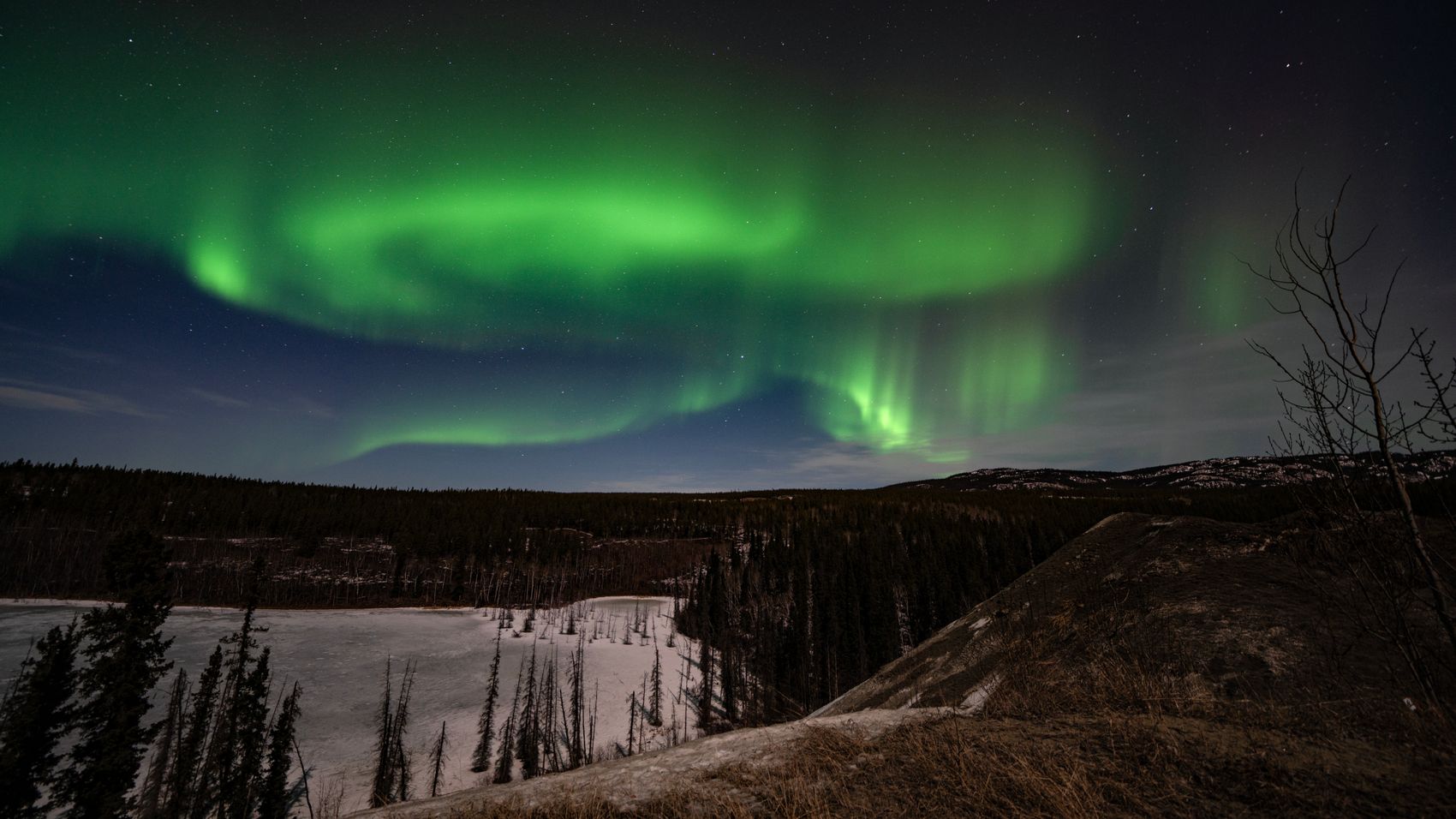
When midwinter arrives in the Yukon, daylight shrinks to a brief golden glow on the horizon before slipping away again. It sounds bleak — but instead of hiding indoors, Yukoners lean into the darkness with candlelit dinners, sauna sessions, night skiing, and cozy community gatherings. Here’s how northerners turn the darkest months into a season of warmth and connection, and how visitors can share in it.
What the dark is really like
The Yukon doesn’t experience true polar night — the sun does rise — but around the December solstice, Whitehorse gets only about five and a half hours of low, soft daylight, and communities further north get even less. The upside: long hours of darkness are perfect for the aurora, and the daytime light, when it comes, is a gorgeous, prolonged golden hour.
Embracing coziness
Northerners are masters of what other cultures call hygge. Think wood stoves and candlelight, long dinners with friends, saunas followed by a roll in the snow, hot drinks, books, and board games. Rather than fighting the dark, the culture makes a virtue of gathering and slowing down.
Getting outside anyway
Darkness doesn’t mean staying in. Locals ski, skate, snowshoe, and fat-bike on lit or moonlit trails, and the short daylight hours are used intensely for time outdoors. Winter festivals and events punctuate the season, giving everyone a reason to come together.
Managing your own energy
If you’re visiting from a sunnier place, the low light can affect mood and sleep. Get outside during the daylight window, keep active, embrace the coziness in the evenings, and consider that the trade-off — spectacular aurora and a warm, welcoming community — is a big part of the appeal.
A different kind of magic
There’s a strange beauty to a Yukon midwinter: snow that glows blue at dusk, frost on every branch, woodsmoke in still air, and green light overhead. Far from something to endure, the dark season has its own deep charm — and Yukoners will happily show visitors how to love it.