La course la plus dure au monde : l’histoire de la Yukon Quest
Rivières gelées et cols mettent à l’épreuve mushers et chiens d’exception.
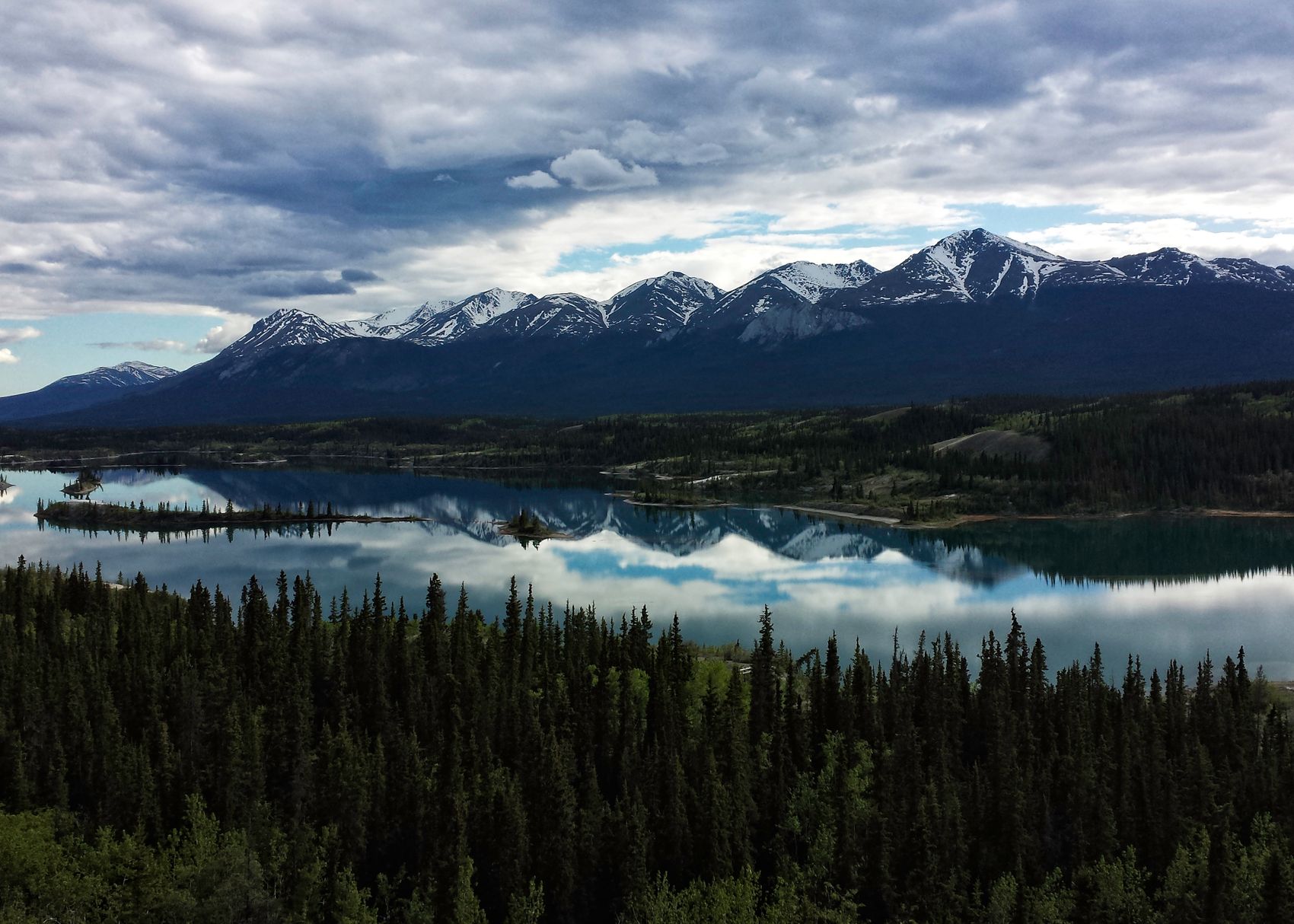
Crossing frozen rivers, windswept mountain passes, and vast stretches of isolation, the Yukon Quest has long been called one of the toughest sled-dog races on Earth. Built on historic gold-rush mail and supply routes, it tests the extraordinary bond between mushers and their teams of elite canine athletes. Here’s the story behind this northern legend and what makes it such a feat of endurance.
A race born of history
The Quest traces routes once travelled by dog teams carrying mail, supplies, and gold between the communities of the North. Established in the 1980s, it was designed as a purist’s race — long distances between checkpoints, minimal outside help, and a premium on self-reliance — honouring the era when dog teams were the only way through the winter.
The challenge
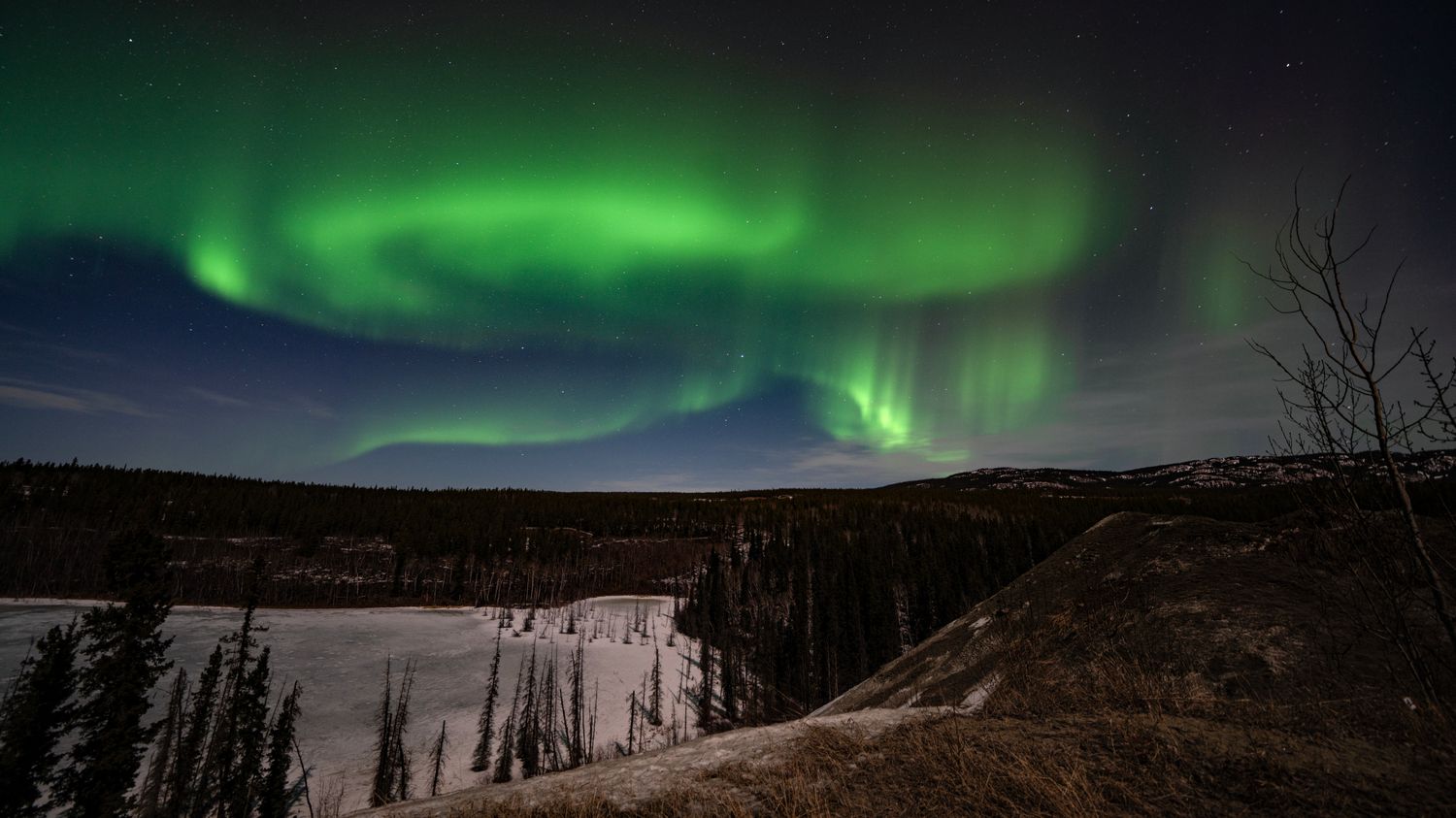
Historically running about 1,000 miles between Whitehorse and Fairbanks, Alaska (with the direction alternating each year), the Quest sends teams across some of the most remote and brutal terrain in the North, often in temperatures far below -30°C and through long hours of darkness. Mushers may go many hours between checkpoints, caring for their dogs, melting snow for water, and snatching sleep where they can. In recent years the event has run in reconfigured formats and distances.
The athletes — canine and human
The dogs are remarkable endurance athletes, bred and trained to run in cold that would defeat almost any other animal, and their welfare is the race’s central concern, with veterinary checks throughout. The mushers’ job is as much about caring for the team as driving it; the partnership between human and dogs is the true heart of the event.
Watching the Quest
Spectators gather at the start and finish and at accessible checkpoints to see teams come and go — the tension, exhaustion, and quiet devotion between musher and dogs is unforgettable even for a casual observer. If you’re visiting in late winter, check the year’s route, dates, and format, and dress for serious cold to watch.
Why it matters
The Yukon Quest is more than a sporting event; it’s a living link to the North’s history and a celebration of the dog-mushing culture that helped build the territory. To witness it, even briefly, is to understand something essential about the Yukon’s relationship with winter, distance, and the animals that made life here possible.