Que mettre dans sa valise pour le Yukon : le guide des couches toutes saisons
Rester au chaud et au sec — la liste maîtresse, de juillet à janvier.
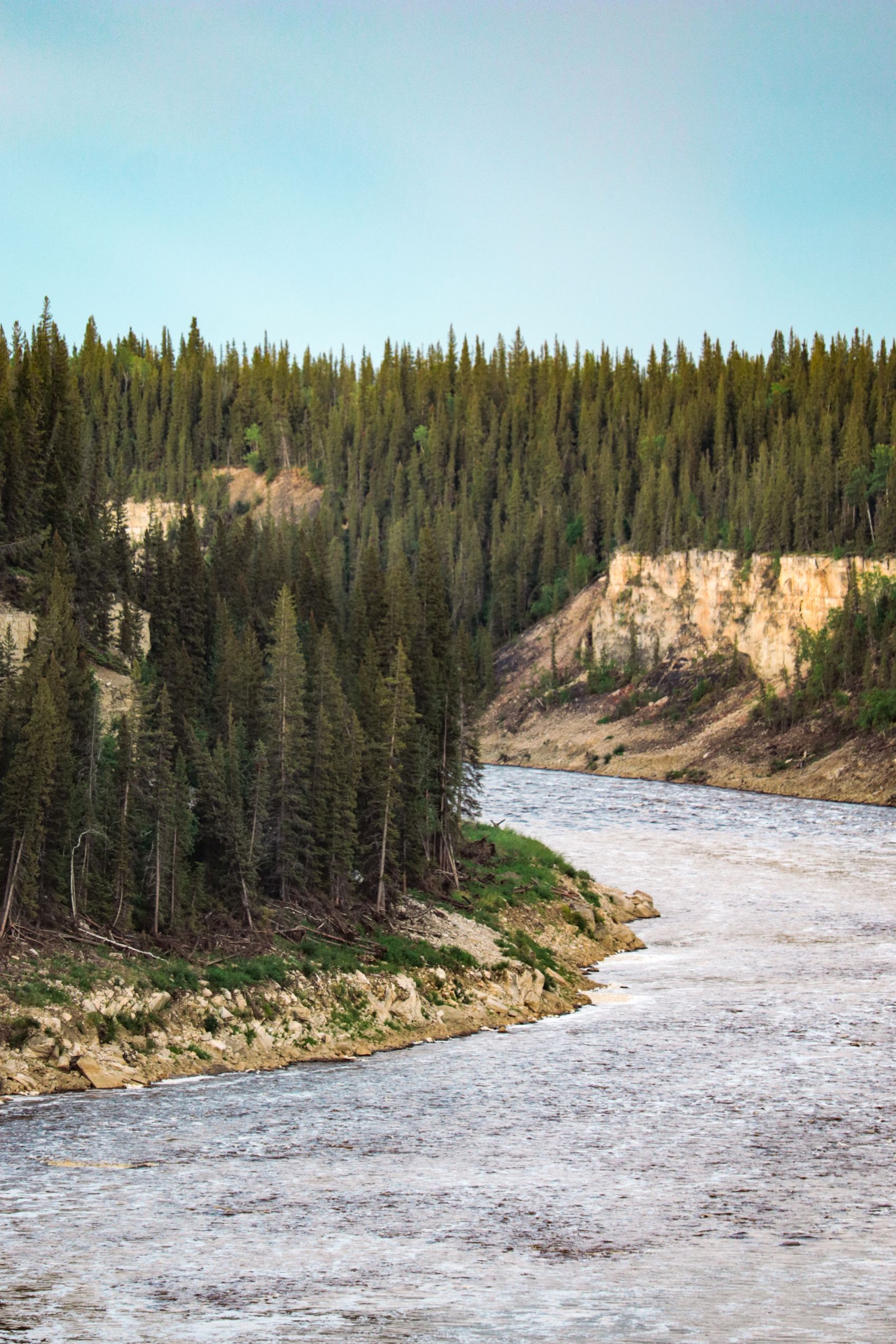
The Yukon’s weather can swing from warm sun to cold rain in a single afternoon, and from mild autumn to deep-freeze winter across the year. The secret to staying comfortable in all of it isn’t one magic garment — it’s layering. Here is a master packing approach that works whether you’re hiking in July or aurora-hunting in January.
The three-layer system
Everything starts with three layers. A moisture-wicking base layer (merino or synthetic, never cotton) keeps sweat off your skin. An insulating mid layer — fleece or down — traps warmth. A windproof, waterproof shell blocks the elements. Add or remove layers as conditions change, and you’ll stay comfortable across a huge range of temperatures.
Summer packing (May–August)
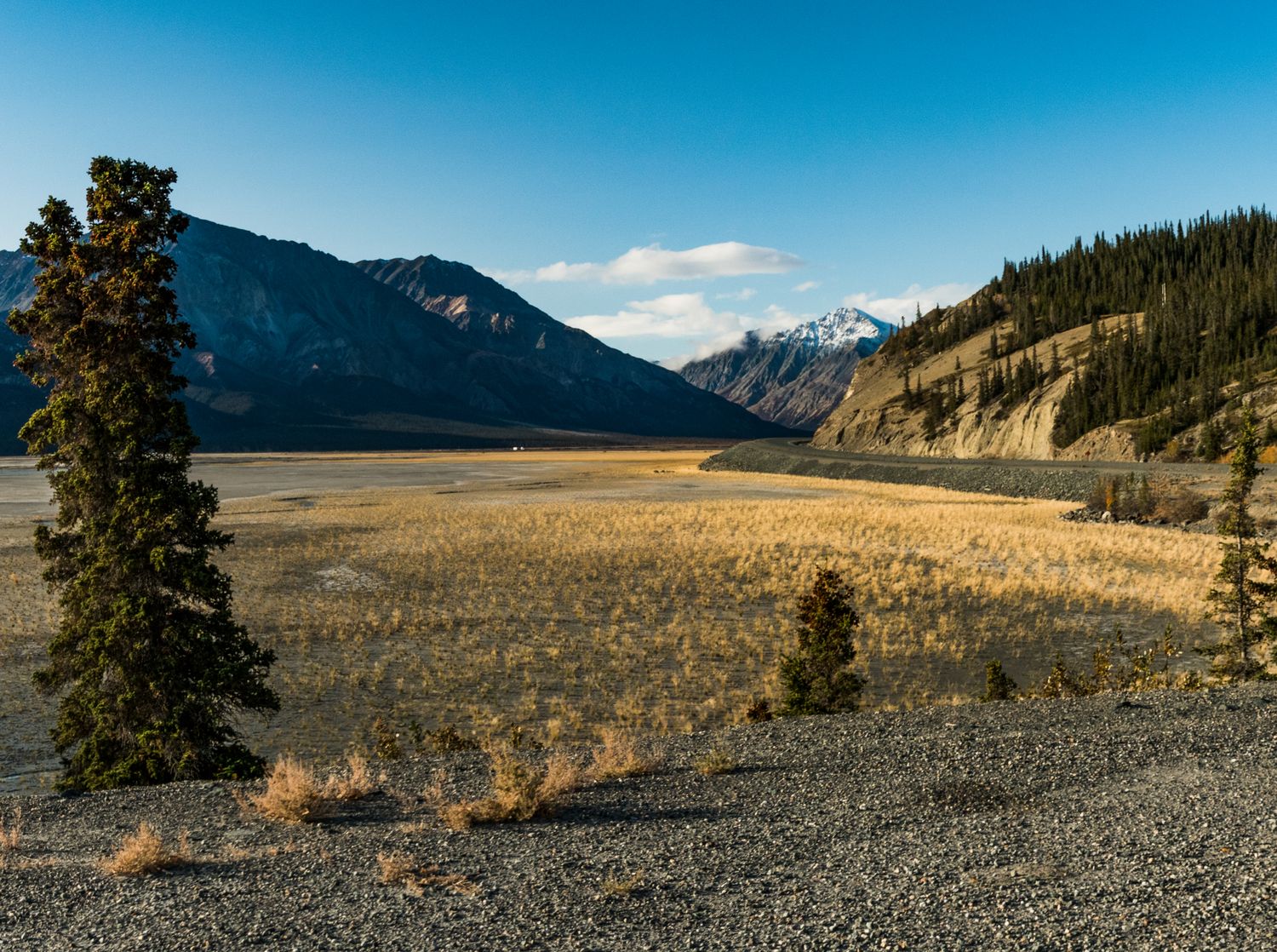
Even in summer, pack layers. Expect warm days and cool evenings, plus the chance of rain. Bring a light insulating layer, a rain shell, quick-dry trousers, a warm hat, sun protection, and — crucially — serious insect repellent and perhaps a head net, because mosquitoes are real. Sturdy footwear handles trails and gravel.
Shoulder season (September–October, April)
Autumn and early spring bring frost, colour, and unpredictable weather. Add a warmer mid layer, gloves, a proper toque, and waterproof boots. This is prime aurora time, so pack something warm for standing still at night.
Winter packing (November–March)
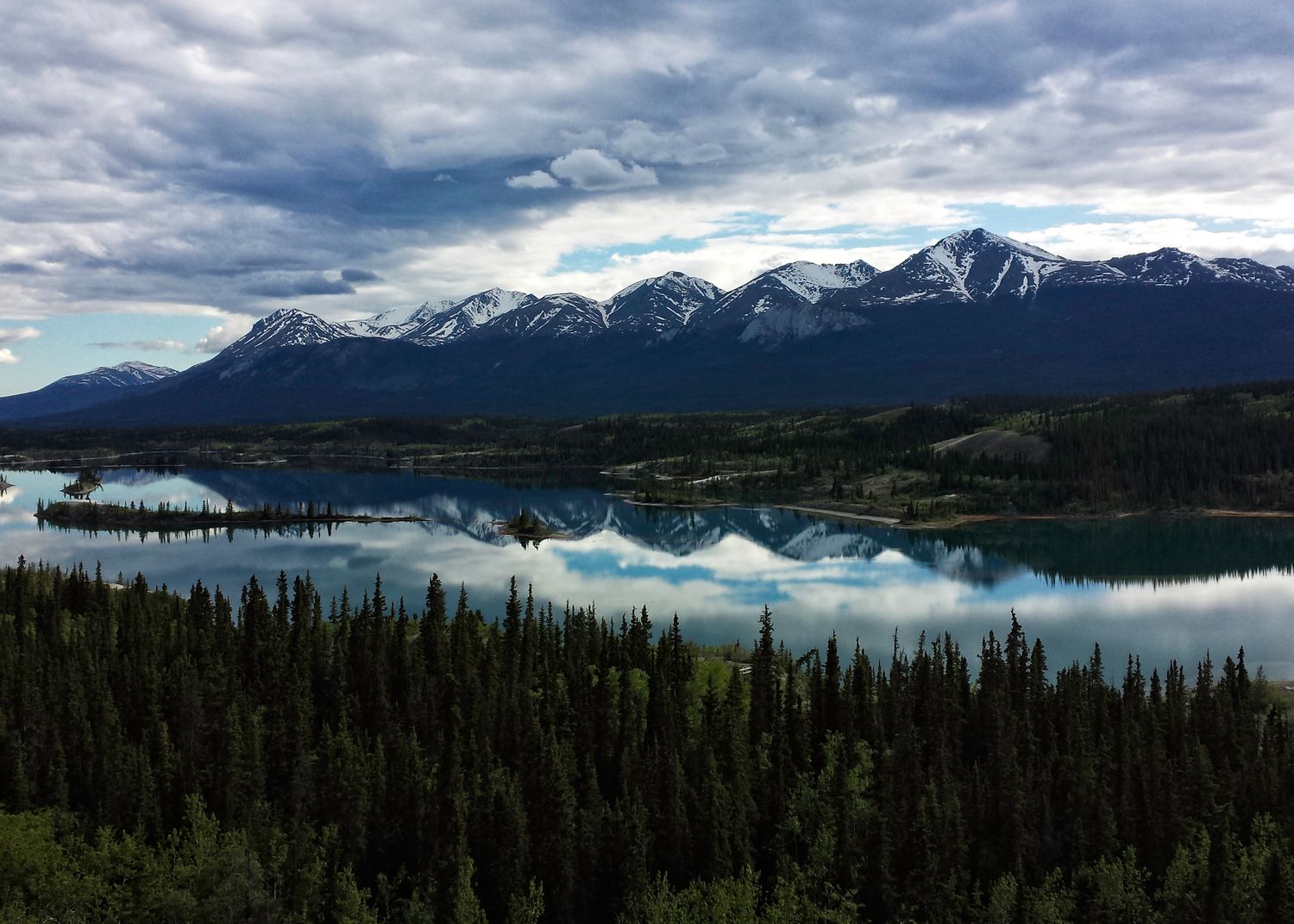
Winter demands commitment. Think a heavy insulated parka rated for real cold, insulated snow boots, thick mitts (warmer than gloves) with liners, a balaclava or face covering, and multiple base and mid layers. Chemical hand and toe warmers are cheap insurance. Many aurora and dog-sled operators loan heavy parkas and boots — ask when booking.
Don’t forget
A refillable water bottle, sunglasses (snow glare is intense), lip balm, a small daypack, and a power bank kept warm in an inside pocket so the cold doesn’t drain it. An eye mask helps you sleep under the midnight sun.
Pack for the season you’re visiting, build around the three-layer system, and you’ll spend your trip enjoying the Yukon rather than enduring it.