 The Yukon
Home/Stays/Nova Scotia/Lunenburg
Stays in Lunenburg
Lunenburg is a historic town on Nova Scotia's South Shore, known for its well-preserved 18th- and 19th-century architecture. Founded in 1753, it was designated a UNESCO World Heritage Site in 1995. The town's grid pattern and wooden buildings reflect its colonial past, and its waterfront remains…
Every stay in Lunenburg
Recent rates first, then the best-reviewed rooms.




Search live rates in Lunenburg
Pick your dates — every Lunenburg room with a live price, in one list.
Free cancellation on most rooms · 1 t CO₂ removed per booking, at no extra cost.
About Lunenburg
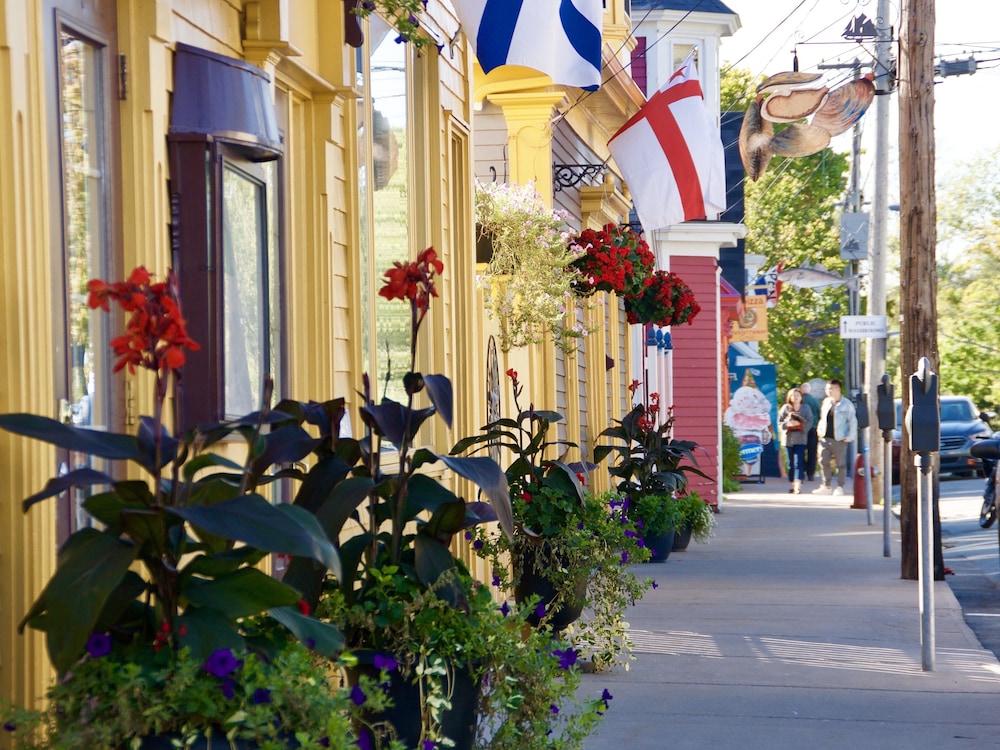
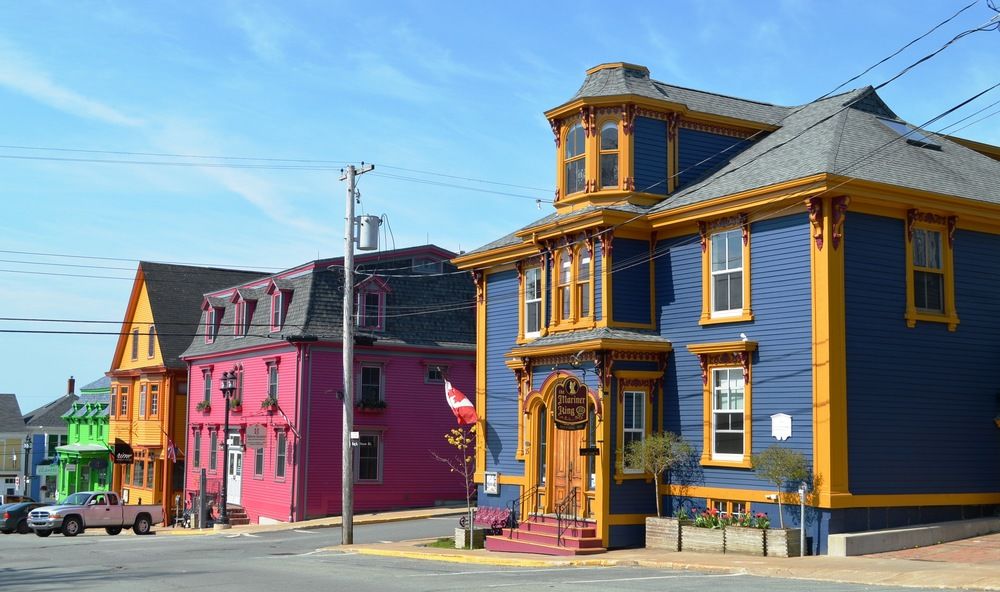
The town is compact and walkable, with many of its attractions concentrated in the old town. Visitors can explore the Fisheries Museum of the Atlantic, take a harbour tour, or simply stroll the streets lined with colourful houses. Lunenburg is also a working port, so you may see fishing boats and shipyards in operation.
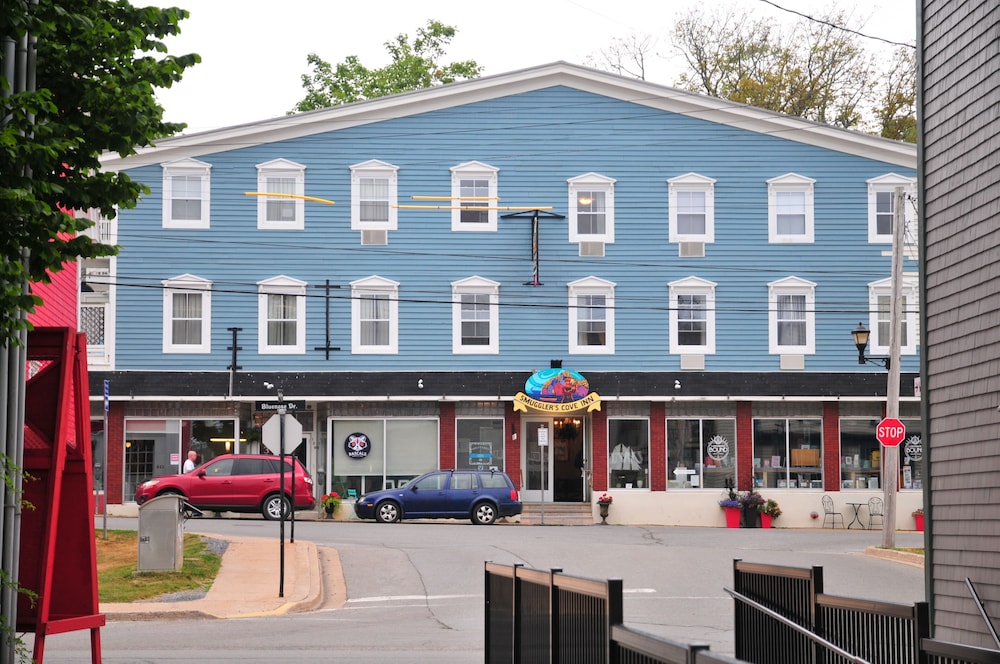
With 29 hotels listed on our site, ranging from 4-star to 1-star and unrated, there are options for different budgets. The average guest score is 4.4 out of 5, indicating generally high satisfaction. Some of the most-reviewed hotels include the Rum Runner Inn, Smugglers Cove Inn, and Lunenburg Arms Hotel.
Where to stay in Lunenburg
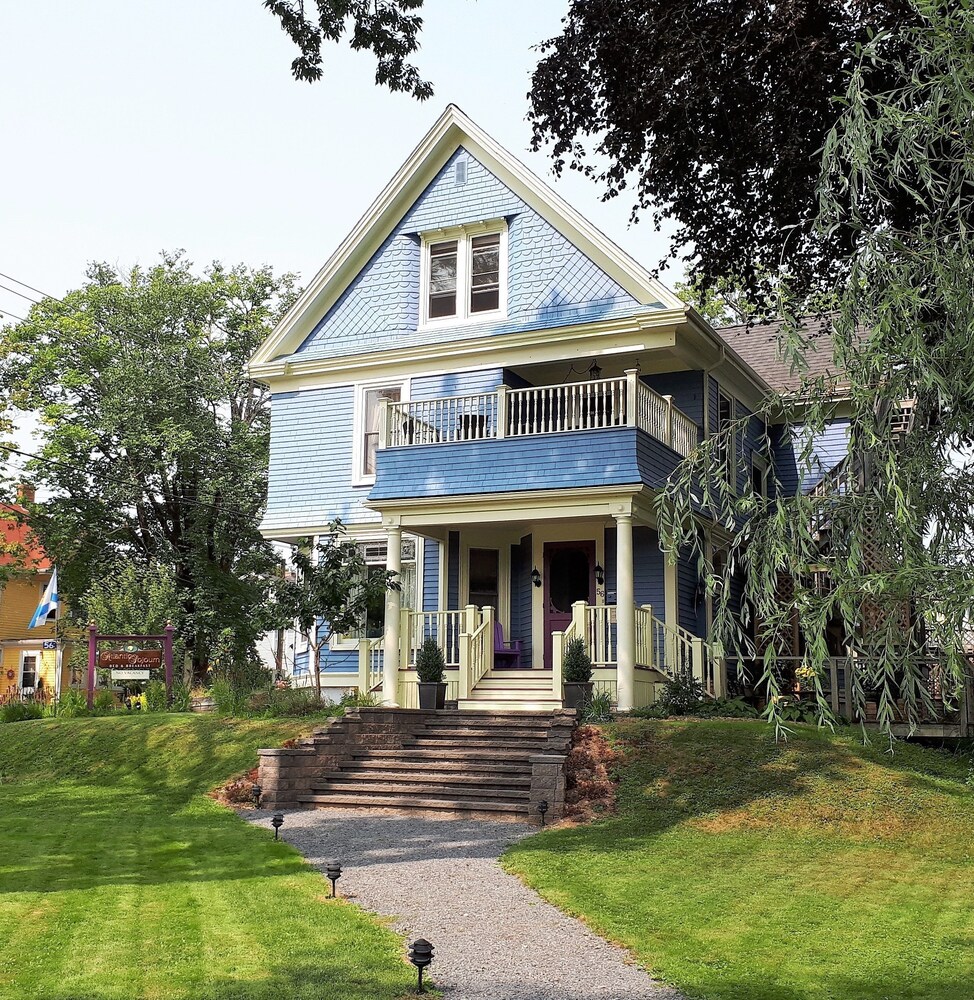
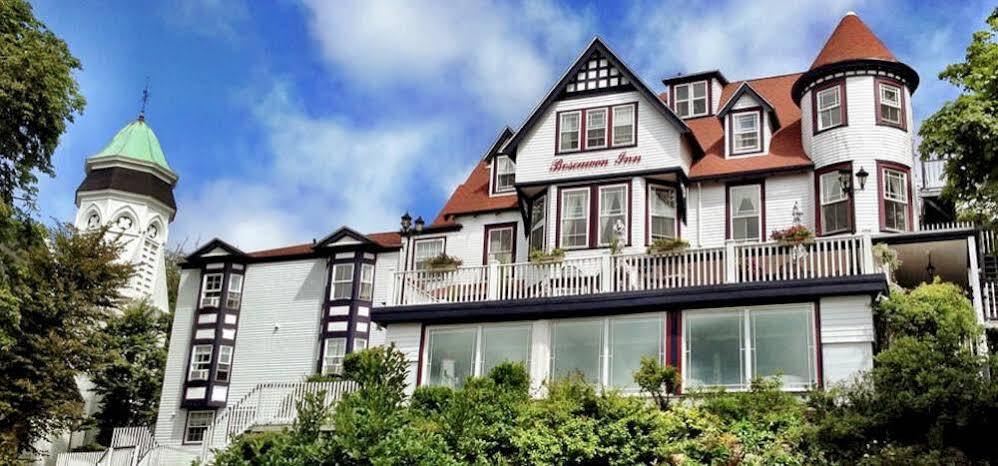
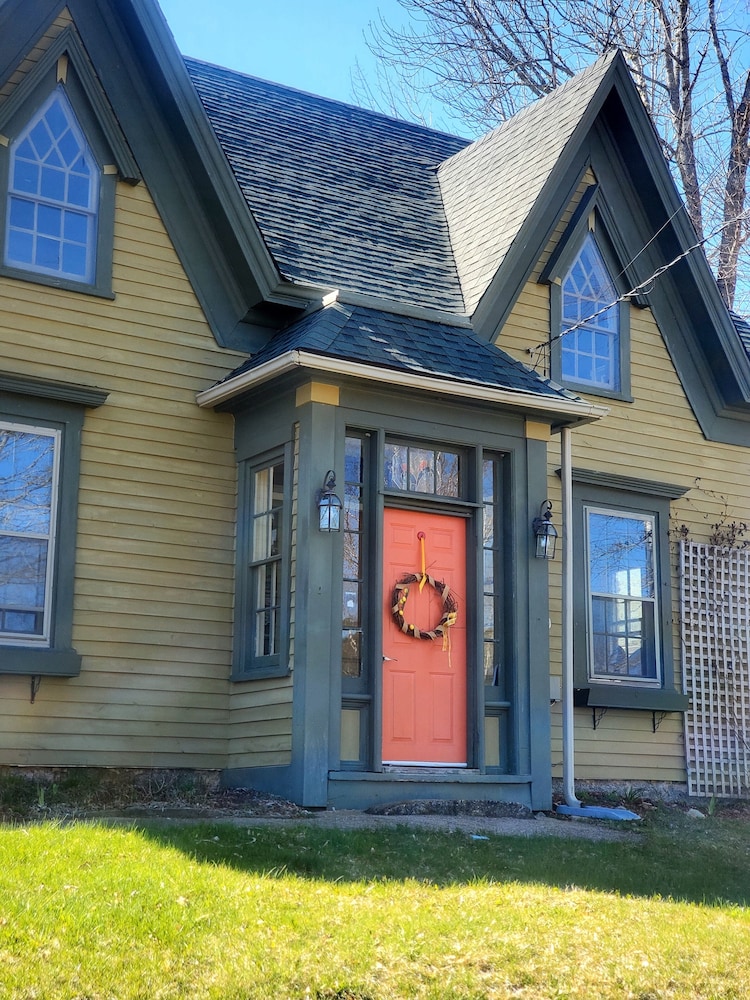
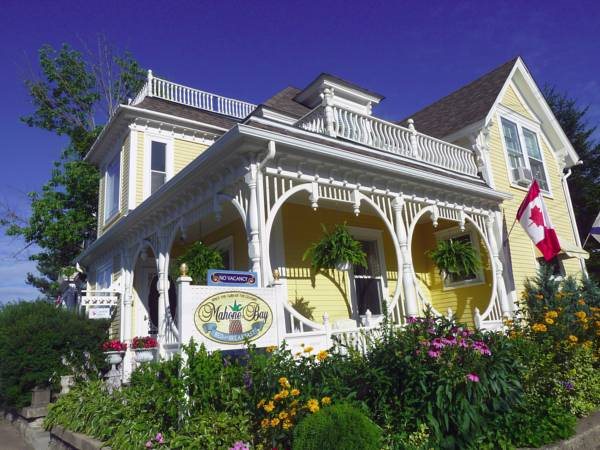
Old Town. The historic core is a UNESCO World Heritage Site, with many inns and B&Bs set in restored buildings. Staying here puts you within walking distance of the waterfront, museums, and restaurants.
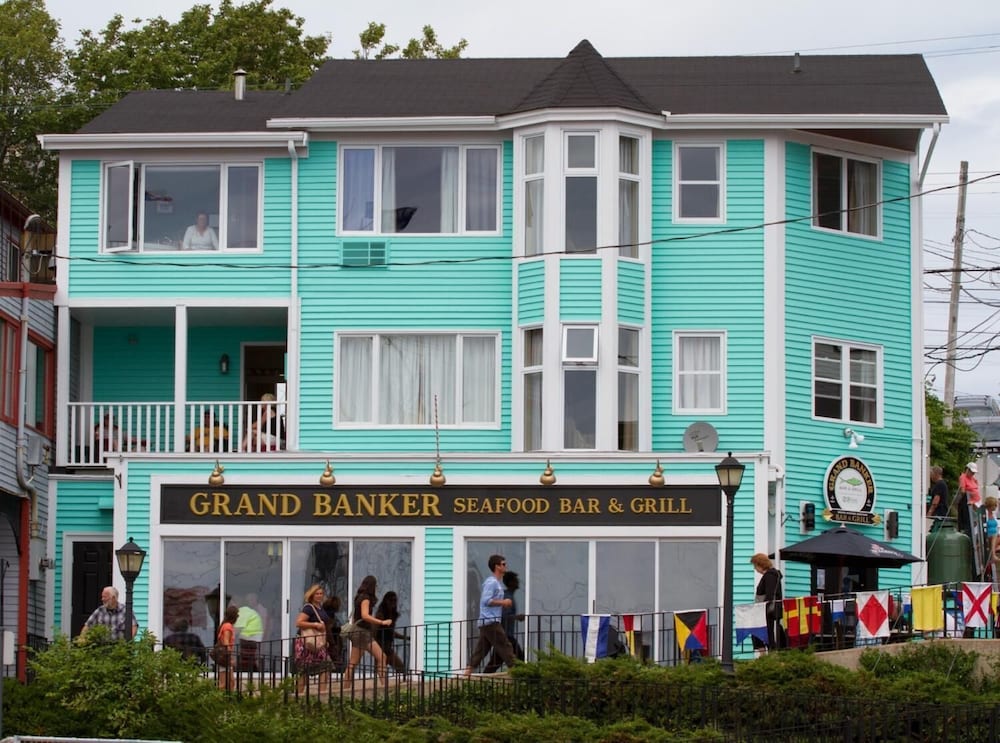
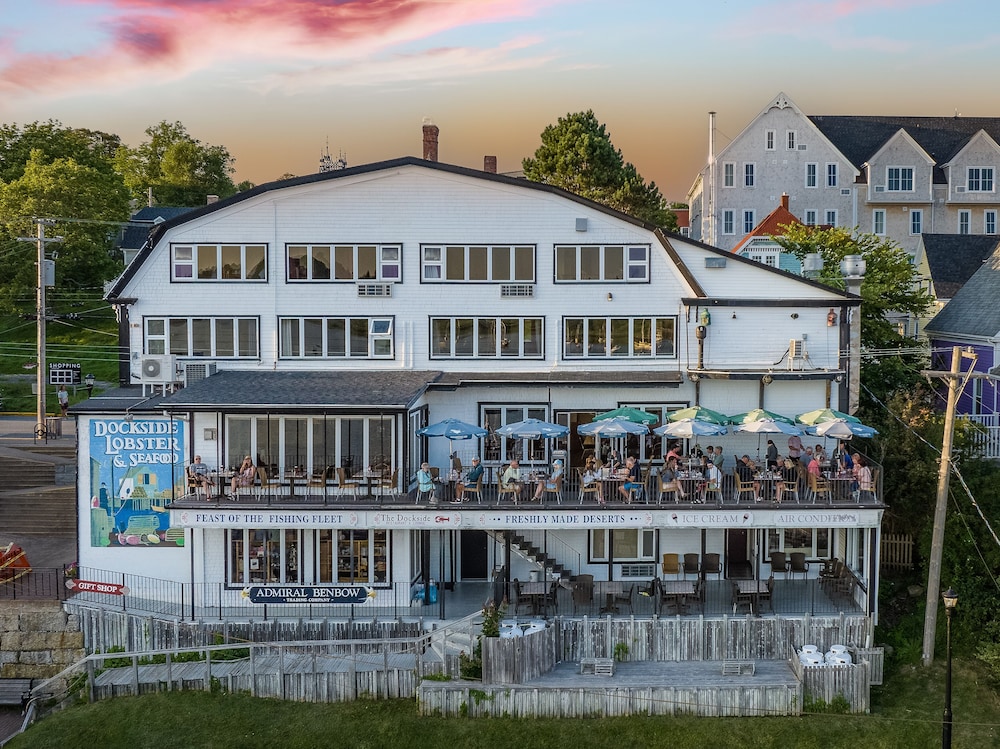
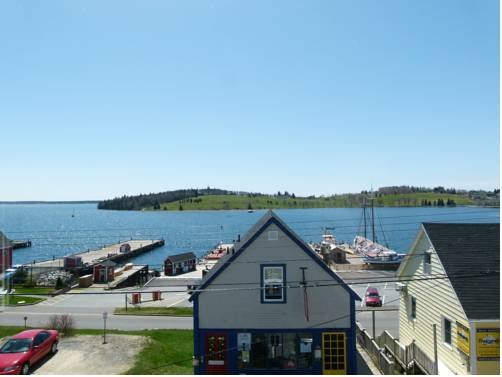
Waterfront. Properties along the harbour offer views of the water and easy access to boat tours and the Fisheries Museum. This area is convenient for those interested in maritime activities.
New Town. Just uphill from the old town, this area has a mix of residential streets and some hotels. It's a quieter option but still close to the centre.
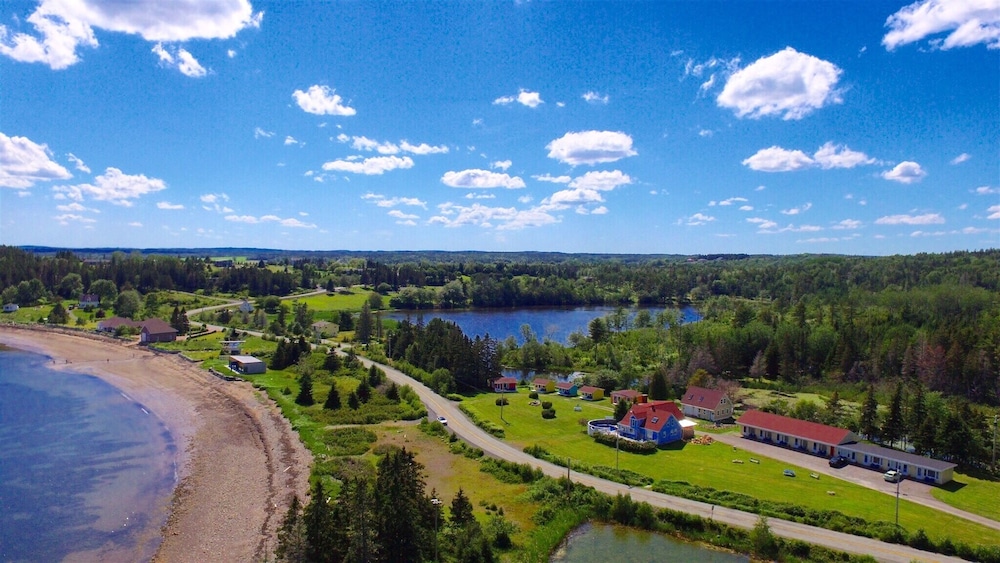
Route 3 / Highway 3. Along the main road into Lunenburg, you'll find motels and larger hotels with parking. This is practical for travellers with vehicles who prefer easy access to the town.
Getting there and around
Lunenburg is about 100 kilometres from Halifax, a drive of roughly 1.5 hours via Highway 103. There is no train or commercial airport in Lunenburg; the nearest airport is Halifax Stanfield International. Intercity bus service is available from Halifax, but schedules may be limited. Once in Lunenburg, the old town is best explored on foot. Local taxis and a seasonal trolley service can help you get around. Bicycles are also a popular way to see the area, though some roads have hills.
When to go
The most pleasant weather is from June to September, when temperatures are mild and many attractions are open. July and August are the busiest months, so expect crowds. Spring and autumn are quieter, with cooler temperatures; some businesses may have reduced hours. Winter can be cold and snowy, and some tourist facilities close. If you don't mind the cold, winter offers a peaceful experience.
Questions, answered
What is Lunenburg known for?
Lunenburg is known for its UNESCO World Heritage Site status, its well-preserved historic architecture, and its maritime heritage. It is also the home of the Bluenose II, a famous schooner.
Is Lunenburg walkable?
Yes, the old town is compact and easy to explore on foot. Many attractions, restaurants, and shops are within a short walk of each other.
Do I need a car to get around Lunenburg?
A car is not necessary if you stay in the old town, but it can be useful for exploring the surrounding area. Parking is available in several locations.
What is the best time to visit Lunenburg?
Summer, from June to September, offers the warmest weather and the most activities. However, it is also the busiest time. Spring and autumn are quieter and still pleasant.
Are there family-friendly activities in Lunenburg?
Yes, the Fisheries Museum of the Atlantic is popular with families, and there are boat tours and parks. Many restaurants also welcome children.
How far is Lunenburg from Halifax?
Lunenburg is about 100 kilometres from Halifax, which is roughly a 1.5-hour drive. Bus service is available but may be limited.