 The Yukon
Home/Stays/British Columbia/Powell River
Stays in Powell River
Powell River sits on the Sunshine Coast of British Columbia, a community with a deep connection to the sea and forest. Once a company town built around a paper mill, it has evolved into a destination for outdoor recreation and a gateway to the northern Sunshine Coast. The city is split between…
Every stay in Powell River
Recent rates first, then the best-reviewed rooms.

Search live rates in Powell River
Pick your dates — every Powell River room with a live price, in one list.
Free cancellation on most rooms · 1 t CO₂ removed per booking, at no extra cost.
About Powell River
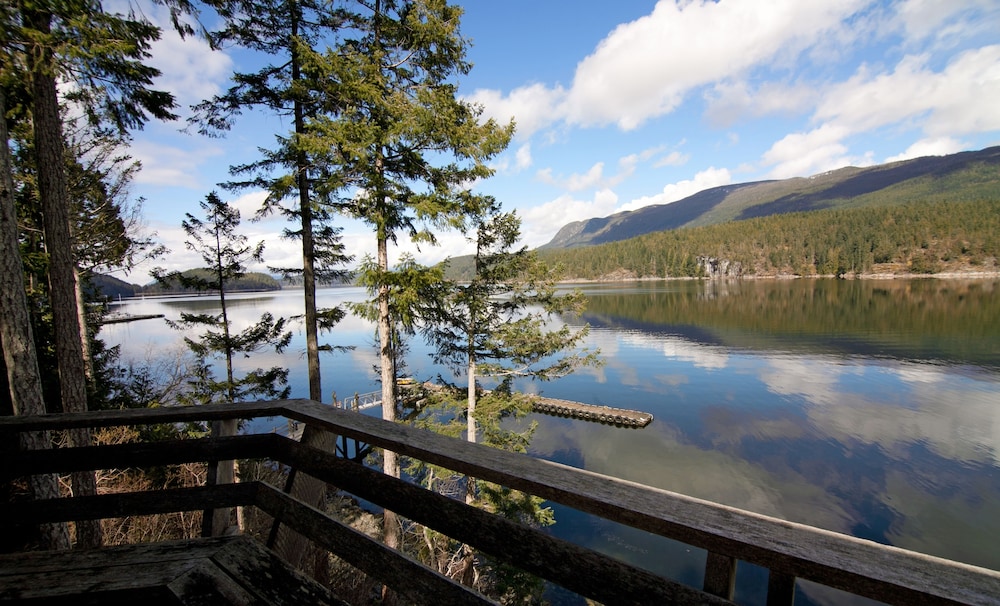
Visitors come for the access to Desolation Sound, the largest marine park in British Columbia, and for the hiking, kayaking, and wildlife viewing opportunities. The Powell River region is also known for its arts scene, with galleries and studios scattered throughout. The area's natural setting, between the Strait of Georgia and the coastal mountains, makes it a base for exploring the surrounding islands and inlets.
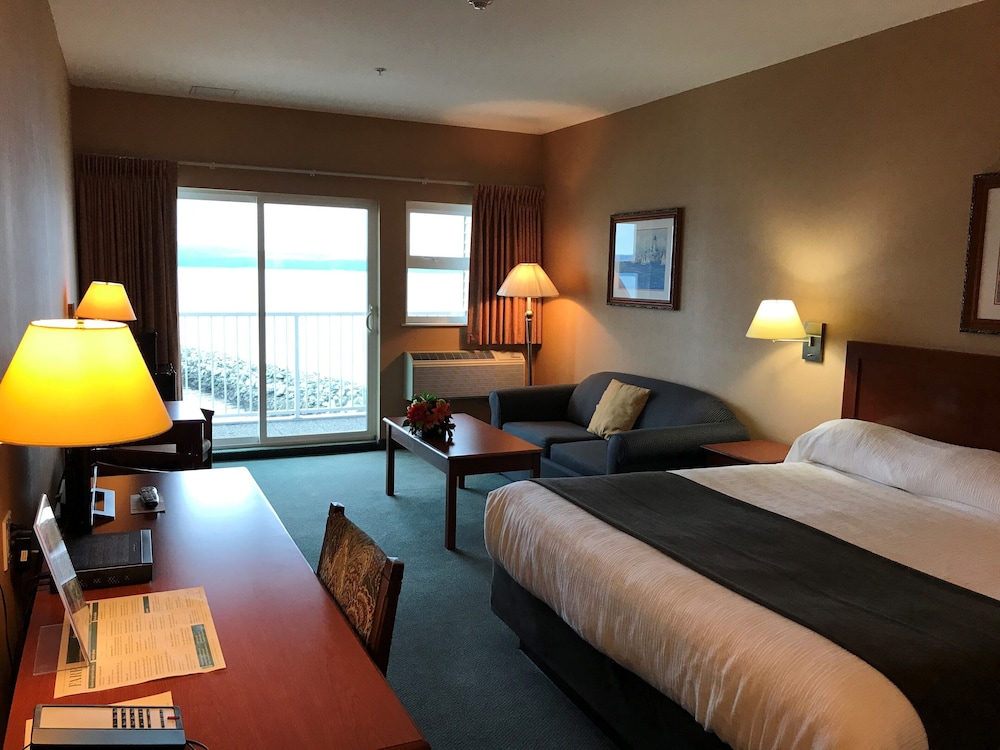
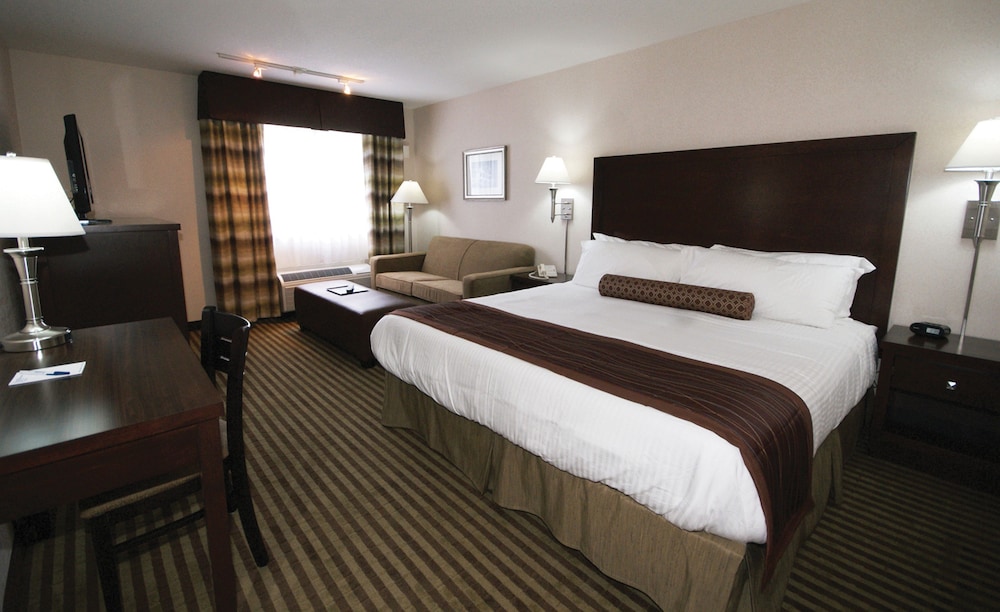
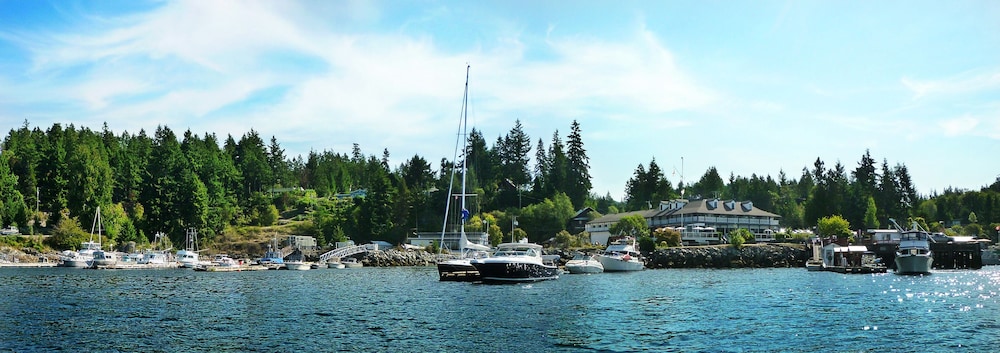
With a range of accommodations from heritage hotels to modern motels, Powell River offers a relaxed atmosphere. The city's waterfront and marinas are central to its identity, and the local economy still includes forestry alongside tourism.
Where to stay in Powell River
Westview. The commercial heart of Powell River, with many shops, restaurants, and services, and easy access to the ferry terminal.
Townsite. A historic district with tree-lined streets and heritage buildings, including the Old Courthouse Inn, offering a quieter, more residential feel.
Wildwood. A mostly residential area south of Townsite, close to trails and the waterfront, with some accommodation options.
Lund. A small harbour community about 30 minutes north of Powell River, serving as a gateway to Desolation Sound and offering a few places to stay.
Getting there and around
Powell River is accessible by BC Ferries from Comox on Vancouver Island (via Little River) and from Sechelt on the Sunshine Coast. The ferry terminals are located at Westview and Blubber Bay on Texada Island. By air, Powell River Airport (YPW) has scheduled flights from Vancouver. Once in Powell River, a car is useful for exploring the area, though the city is served by BC Transit. Taxis and ride-sharing are limited. Cycling is possible on some routes, but distances between attractions can be significant.
When to go
The best time to visit Powell River is from late spring to early autumn, when temperatures are mild and outdoor activities are at their peak. July and August are the warmest and busiest months, ideal for boating and hiking. Spring and fall offer fewer crowds and cooler weather, but some services may have reduced hours. Winter can be wet and quiet, with occasional snow, but the area remains open for those seeking solitude.
Questions, answered
What is Powell River known for?
Powell River is known for its historic Townsite, a National Historic Site, and as a gateway to Desolation Sound. It has a strong connection to the forestry industry and offers outdoor recreation like hiking and kayaking.
How do I get to Powell River?
You can reach Powell River by BC Ferries from Comox or Sechelt, or by scheduled flights from Vancouver to Powell River Airport. The ferry ride offers scenic views of the coast.
What is the best way to get around Powell River?
Having a car is the most convenient way to explore Powell River and the surrounding area. Public transit is available but limited, and taxis are few.
Are there any national historic sites in Powell River?
Yes, the Powell River Townsite is a National Historic Site of Canada, recognized for its planned community design and heritage buildings.
What outdoor activities are available in Powell River?
Popular activities include kayaking, boating, fishing, hiking, and wildlife viewing. Desolation Sound Marine Provincial Park is a short boat ride away.
When is the best time to visit Powell River?
Late spring through early autumn offers the best weather for outdoor activities. Summer is the busiest season, while spring and fall are quieter.