 The Yukon
Home/Stays/Downtown Whitehorse
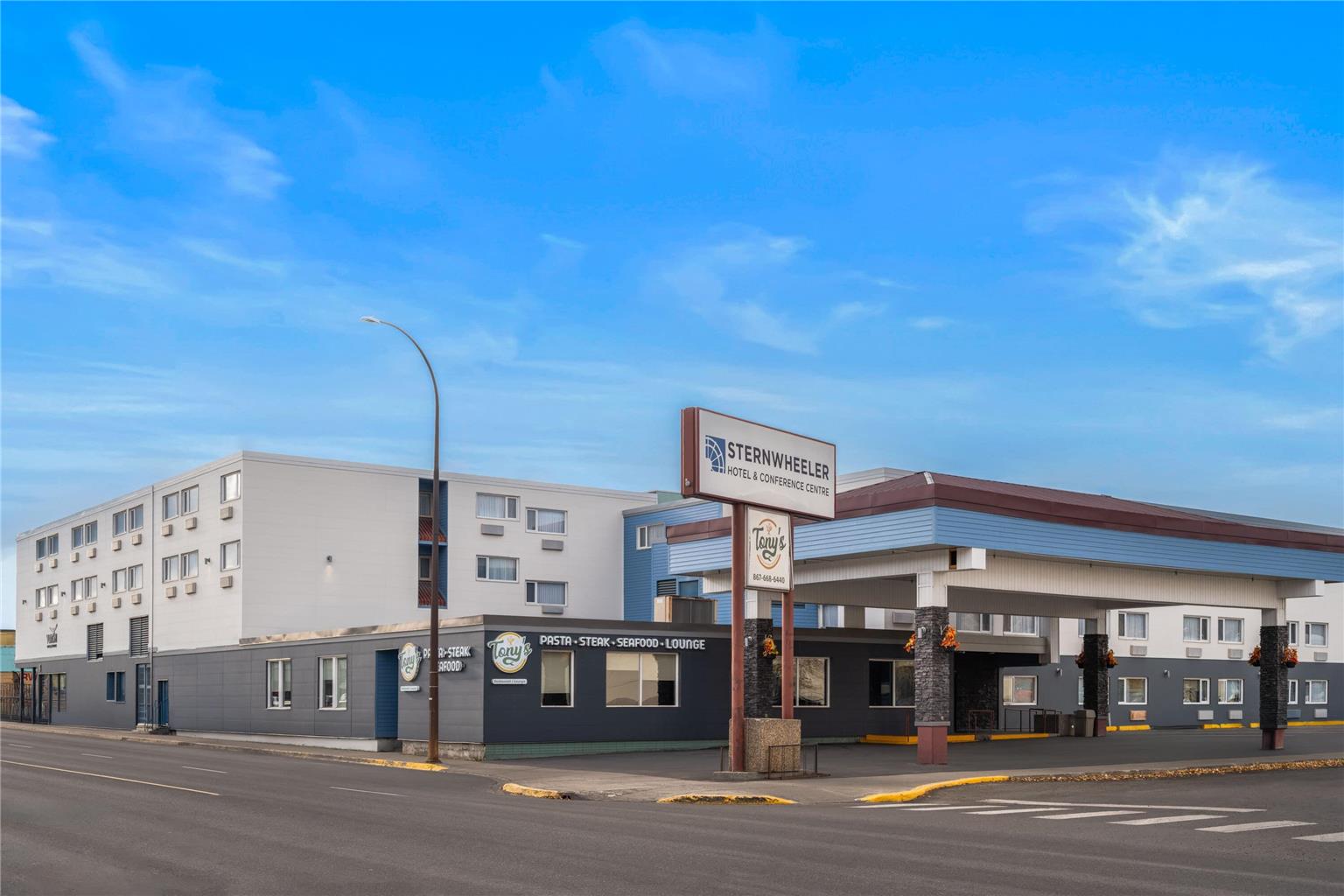
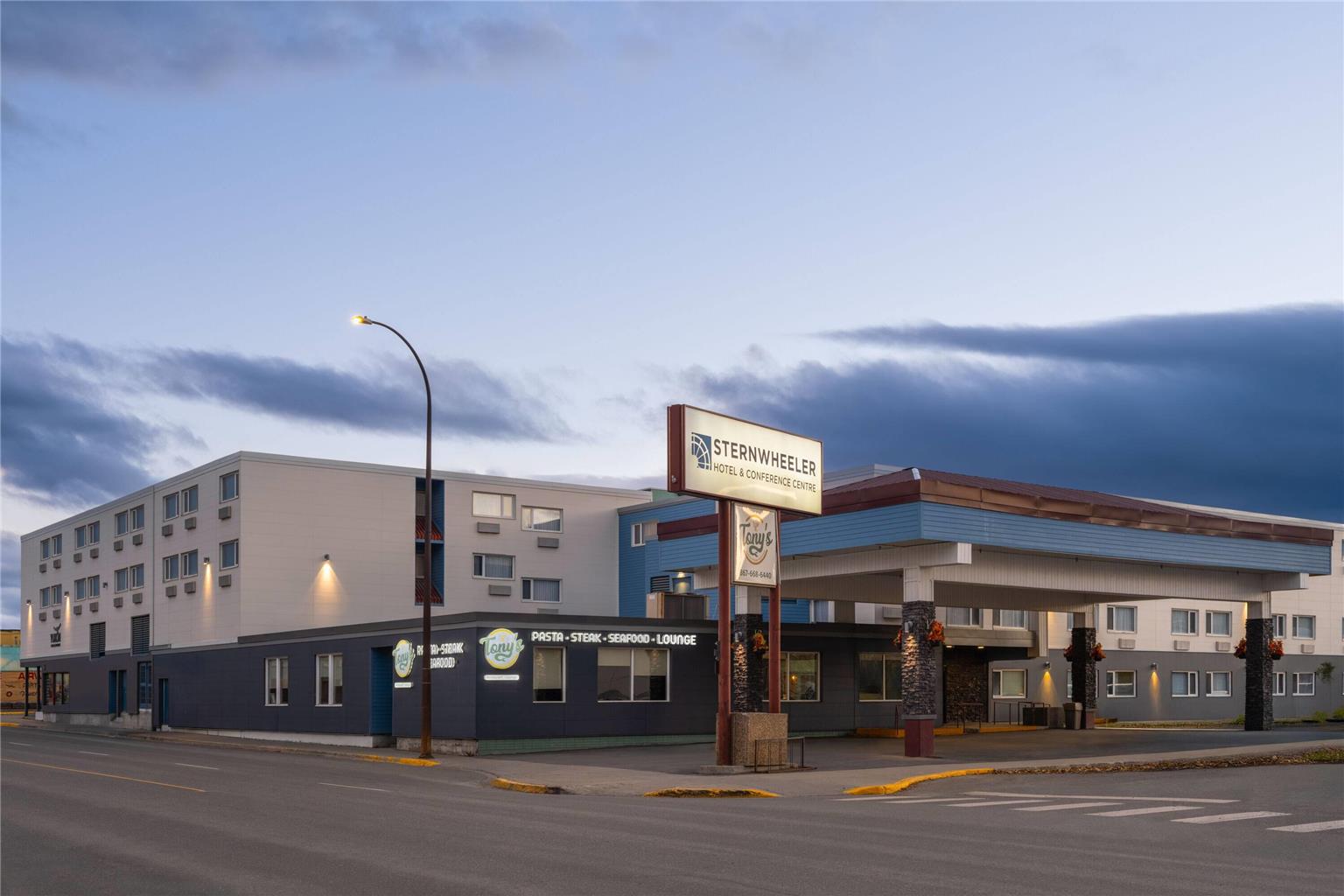
Sternwheeler Hotel & Conference Centre Trademark by Wyndham
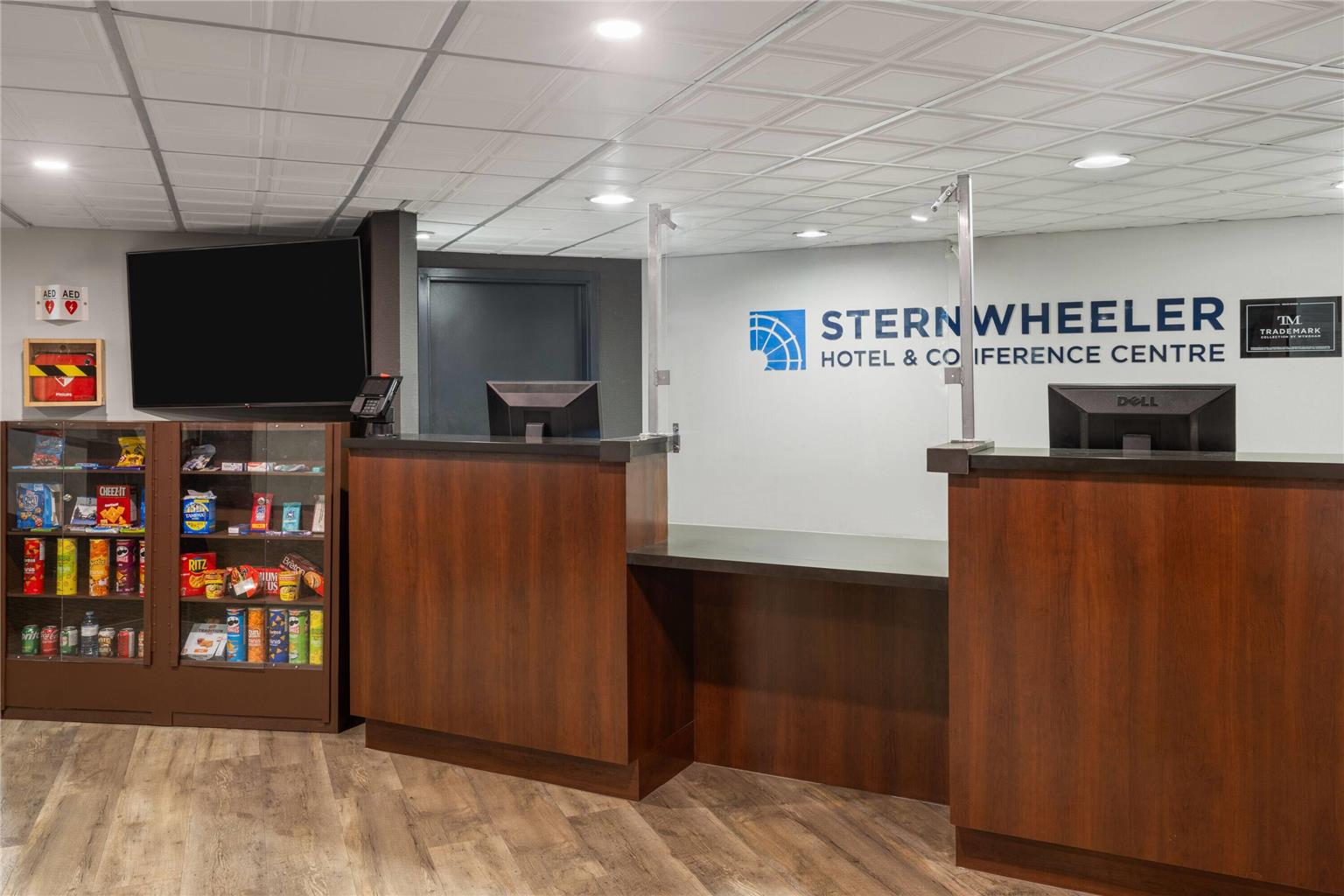
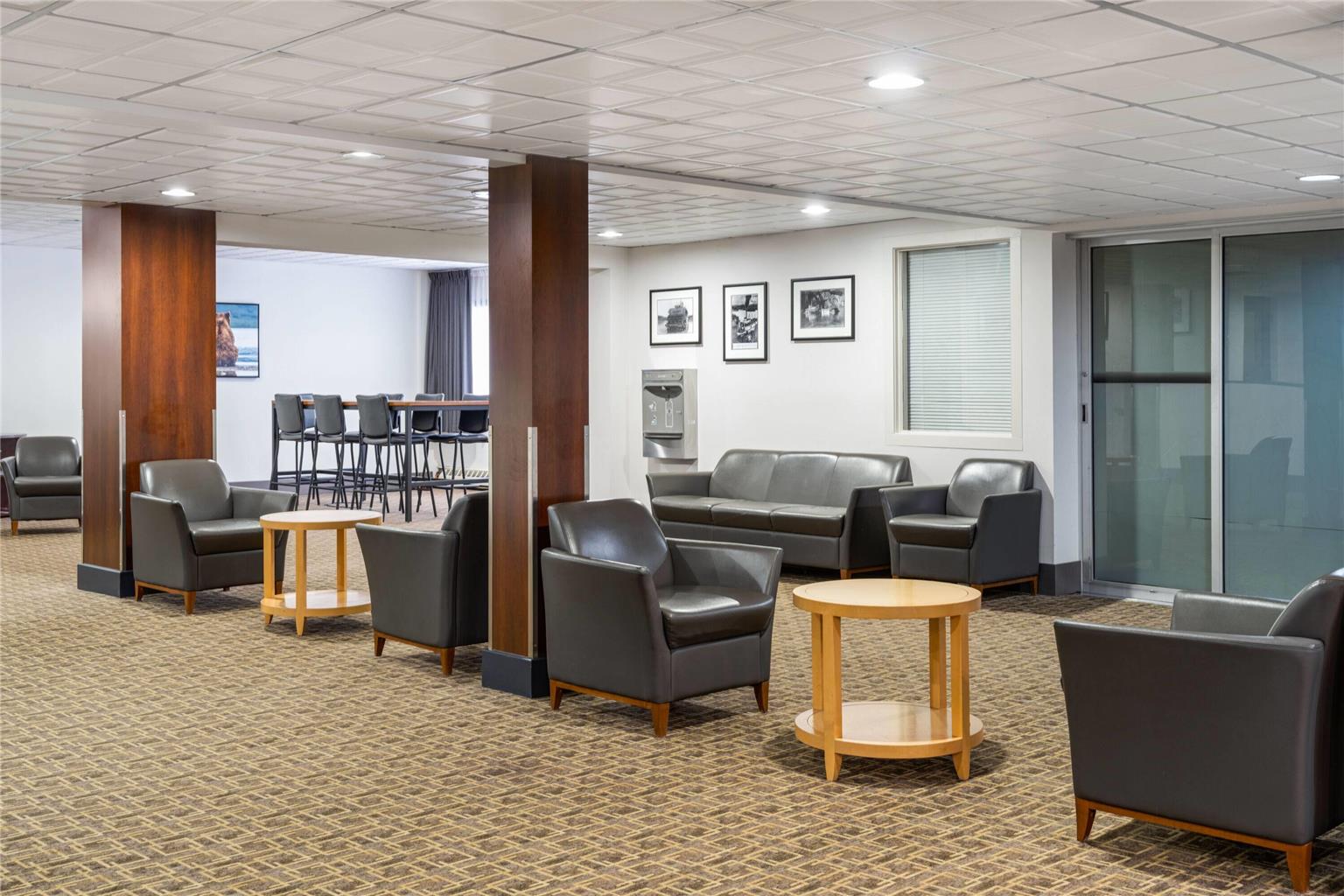


About this stay
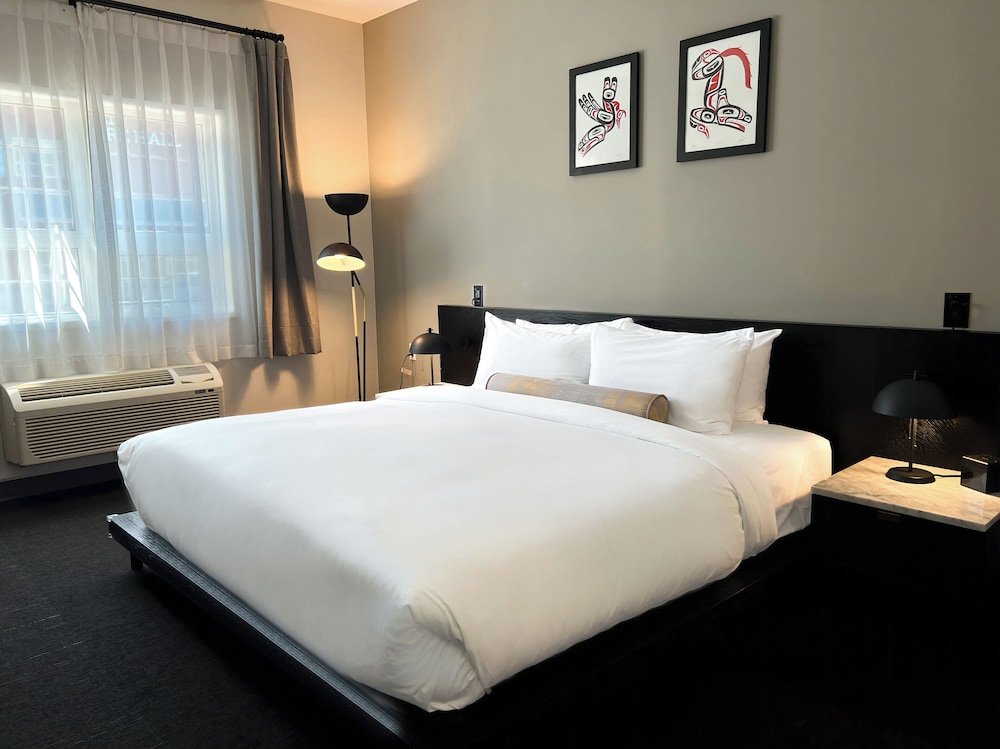
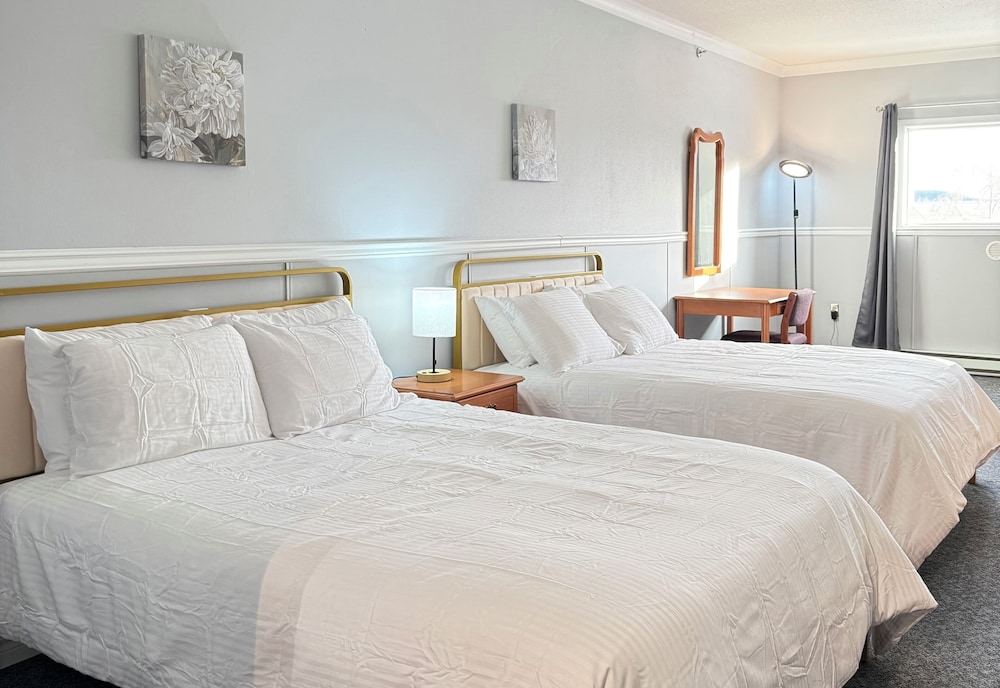
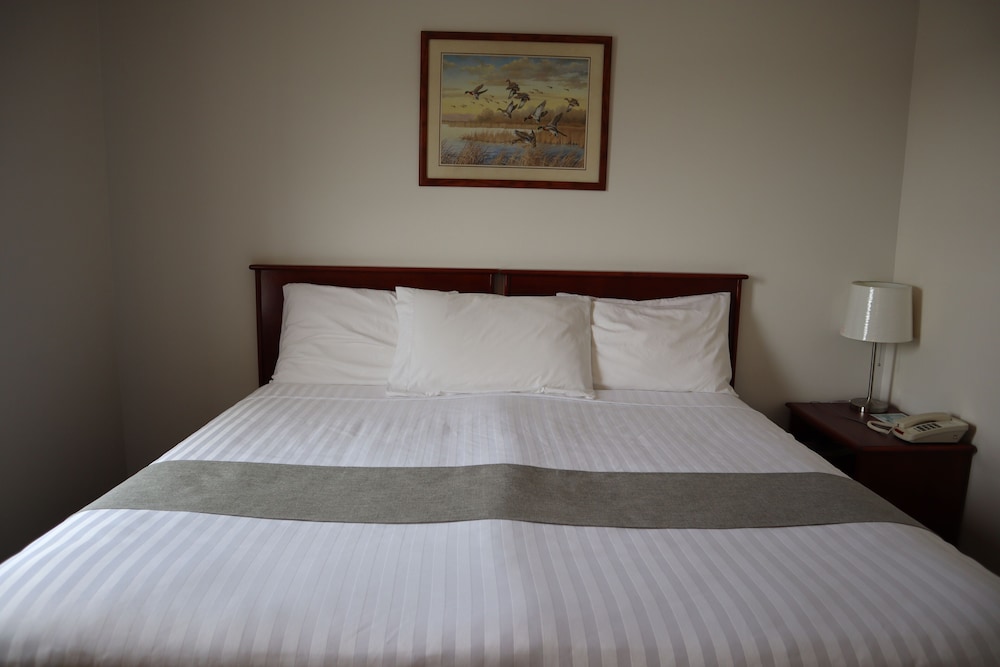
Sternwheeler Hotel & Conference Centre Trademark by Wyndham is a 3-star hotel in Downtown Whitehorse, Yukon, rated 3.6 out of 5 across 674 guest reviews.
Looking for a straightforward base in Yukon? Sternwheeler Hotel & Conference Centre Trademark by Wyndham in Downtown Whitehorse covers the essentials and sits near Herschel Island - Qikiqtaruk Territorial Park.
Book Sternwheeler Hotel & Conference Centre Trademark by Wyndham through app.impt.io at the same live rate you would find anywhere else, with free cancellation on most rooms. Every completed booking funds one verified tonne of carbon removal — paid from the standard commission the hotel already covers, never added to your bill.
Facilities
- 24 Hour Front Desk
- 24H. Security
- ATM
- Air conditioning
- Alarm clock
- Banquet
- Bars
- Bathroom
- Cleaning
- Coffee
- Copy
- Cot
Location
201 Wood Street, Whitehorse, Canada.
Open in Google Maps ↗Questions, answered
Where is Sternwheeler Hotel & Conference Centre Trademark by Wyndham located?
Sternwheeler Hotel & Conference Centre Trademark by Wyndham is in Downtown Whitehorse, Yukon (201 Wood Street, Whitehorse, Canada), close to Herschel Island - Qikiqtaruk Territorial Park.
How many stars is Sternwheeler Hotel & Conference Centre Trademark by Wyndham?
Sternwheeler Hotel & Conference Centre Trademark by Wyndham is a 3-star hotel in Yukon.
Is Sternwheeler Hotel & Conference Centre Trademark by Wyndham a good hotel?
Guests rate it 3.6 across 674 reviews. It’s a midscale choice for Yukon.
What should I book in advance for a Yukon trip?
Book the Whitehorse hotel and the rental car first, and do it at least three months out for any June–August trip. Dawson City accommodation for Discovery Days weekend around 17 August sells out by April. Aurora tour packages for February and March, especially those aimed at overseas guests, are often full six months ahead. Dempster Highway lodging at Eagle Plains and any stay in Old Crow, Mayo or Keno City should be locked in before you fly, because there are no fallback options nearby.
Is Whitehorse walkable?
Downtown Whitehorse is walkable across roughly a 10-block grid between Second Avenue and the Yukon River waterfront, and you can cover Main Street, the SS Klondike, the MacBride Museum and most restaurants on foot. The Millennium Trail along the river is 5 km round trip and pleasant in summer. Beyond downtown — to the airport, Porter Creek, Riverdale or the Yukon Wildlife Preserve at Km 8 of the Takhini Hot Springs Road — you need a car, taxi or the local Whitehorse Transit bus. Winter walking is fine if you dress for -25°C.
Can you actually see the northern lights from a Yukon hotel?
Sometimes, but plan not to rely on it. Downtown Whitehorse has enough light pollution that only strong aurora shows through, and most guests join a tour that drives 20–40 minutes out to Fish Lake, the Takhini area or Marsh Lake. Cabin-style stays outside town — around Marsh Lake, Tagish or on the road to Haines Junction — give you a genuine chance from the deck. The aurora season locally runs roughly 20 August to 15 April, with the darkest, most reliable months being late September through March.
What’s the best area to stay in Whitehorse?
Downtown Whitehorse is the best area for a first visit, because you can walk to Main Street, the Yukon River waterfront, the SS Klondike and most tour pickups. Riverdale, just across the Robert Campbell Bridge, is quieter and about 15–20% cheaper for the same standard of room. Porter Creek, 7 km north on the Alaska Highway, is where the cheapest motels sit but you will need a car. Skip the airport strip unless you have a very early flight — it is a 5 km taxi from downtown and has no walkable surroundings.