★★★ Whitehorse · Yukon ★ 3.7 · 331
Yukon Inn
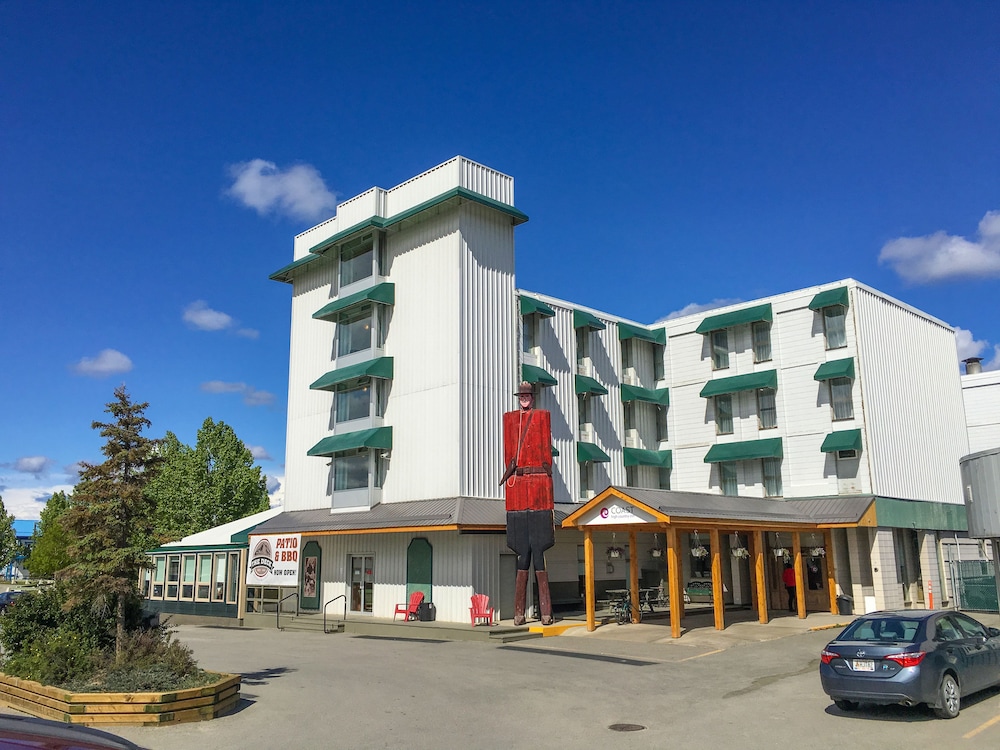
Reception
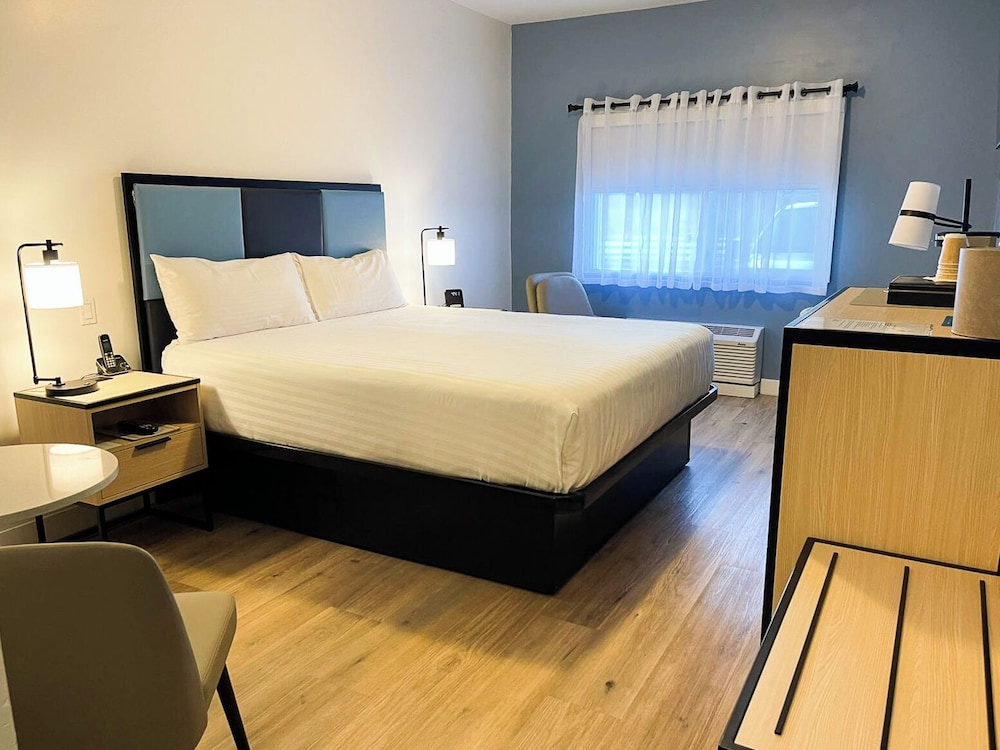
Guestroom
Guestroom
Guestroom +1 photos

Yukon Inn

4220 4Th Ave, Whitehorse, Canada
from $204

Yukon Inn is a 3-star hotel in Whitehorse, Yukon, a sensible choice for sightseeing around Ivvavik National Park without overspending.

Guests typically choose Whitehorse for its balance of location and price; Yukon Inn is a good fit if you want to be near the action in Yukon.

Rates shift with the season and with demand, so the live price on the booking page is always the one to trust — tap through for tonight's or your dates' real availability.

Key facts

Class
3-star
Area
Whitehorse
Guest rating
3.7 (331)
from
$204
Address
4220 4Th Ave, Whitehorse, Canada

What’s included

24 Hour Front Desk 24H. Security ATM Air conditioning Alarm clock Banquet Bars Bath Bathroom Breakfast Business Center Carpeted

Where to stay in the Yukon: picking a base

Most first visits are built around Whitehorse, because the airport, the Alaska Highway and the Klondike Highway all meet there. Downtown Whitehorse puts you walking distance from the SS Klondike, the MacBride Museum and Main Street restaurants, and is where mid-range rates sit highest — expect to pay 30–40% more than the outskirts in July. Riverdale, across the Yukon River, and Porter Creek, 7 km north, are quieter residential districts with cheaper motels and B&Bs, though you will want a vehicle from either.

Outside the capital, Dawson City is the second obvious base for the Klondike goldfields and the Dempster Highway turnoff, and runs about the same price as downtown Whitehorse in summer. Haines Junction is the gateway to Kluane National Park; Carcross and Tagish suit lake stays an hour south of Whitehorse; Watson Lake, Teslin and Carmacks are highway stops rather than destinations; and Beaver Creek, Destruction Bay, Burwash Landing, Mayo, Keno City, Faro, Ross River, Pelly Crossing and Old Crow are for travellers with a specific reason — fly-in, road trip, or work — and thin, often single-property markets.

Best time to visit the Yukon, month by month

The two peak windows are mid-June to late August for the midnight sun and hiking, and late August to mid-March for aurora viewing, with a lull in between. June through August is when Whitehorse hotels sell out around the Yukon Gold Panning Championships and Dawson City fills for Dawson City Music Festival (third weekend of July) and Discovery Days (17 August); rack rates in these weeks can be 50–80% above shoulder pricing.

September brings low light and low prices — often the best value month, with fewer bugs and the Dempster larches turning gold around Tombstone. October and November are the cheapest months of the year in Whitehorse, then rates climb again from late December as aurora tour groups arrive from Asia, holding firm through the Yukon Quest sled dog race in February and the Available Light Film Festival. April and May are quiet and cold, with breakup on the Yukon River usually in early May, and many highway lodges between Haines Junction and Beaver Creek stay closed until mid-May.

Getting around the Yukon: is a car actually needed?

Yes, for anything beyond Whitehorse itself, a vehicle is not optional. There is no passenger rail in the territory — the White Pass & Yukon Route from Carcross to Skagway is a seasonal tourist train, not transport — and intercity buses are limited to a few Husky Bus runs between Whitehorse and Dawson City (about 533 km, 6.5–7 hours) and seasonal shuttles to Haines Junction (158 km) and Skagway. Rentals in Whitehorse book out weeks ahead in July; reserve before you fly in.

Downtown Whitehorse is walkable and has a local bus, so a car-free stay works if you never leave the city. Distances elsewhere are the point: Whitehorse to Watson Lake is 435 km, Whitehorse to Beaver Creek 457 km, Dawson City to Inuvik along the Dempster 736 km of gravel. Old Crow has no road at all — Air North flies in from Whitehorse via Dawson. Fuel stops are spaced 100–200 km apart on the Alaska and Klondike Highways, and many close by 9pm.

Questions, answered

Where is Yukon Inn located?
Yukon Inn is in Whitehorse, Yukon (4220 4Th Ave, Whitehorse, Canada), close to Ivvavik National Park.
How much does Yukon Inn cost per night?
Recent rates started around $204 per night, but prices are set live — check the booking page for your exact dates.
How many stars is Yukon Inn?
Yukon Inn is a 3-star hotel in Yukon.
Is Yukon Inn a good hotel?
Guests rate it 3.7 across 331 reviews. It's a midscale choice for Yukon.
Is Whitehorse walkable?
Downtown Whitehorse is walkable across roughly a 10-block grid between Second Avenue and the Yukon River waterfront, and you can cover Main Street, the SS Klondike, the MacBride Museum and most restaurants on foot. The Millennium Trail along the river is 5 km round trip and pleasant in summer. Beyond downtown — to the airport, Porter Creek, Riverdale or the Yukon Wildlife Preserve at Km 8 of the Takhini Hot Springs Road — you need a car, taxi or the local Whitehorse Transit bus. Winter walking is fine if you dress for -25°C.
Can you actually see the northern lights from a Yukon hotel?
Sometimes, but plan not to rely on it. Downtown Whitehorse has enough light pollution that only strong aurora shows through, and most guests join a tour that drives 20–40 minutes out to Fish Lake, the Takhini area or Marsh Lake. Cabin-style stays outside town — around Marsh Lake, Tagish or on the road to Haines Junction — give you a genuine chance from the deck. The aurora season locally runs roughly 20 August to 15 April, with the darkest, most reliable months being late September through March.
What’s the best area to stay in Whitehorse?
Downtown Whitehorse is the best area for a first visit, because you can walk to Main Street, the Yukon River waterfront, the SS Klondike and most tour pickups. Riverdale, just across the Robert Campbell Bridge, is quieter and about 15–20% cheaper for the same standard of room. Porter Creek, 7 km north on the Alaska Highway, is where the cheapest motels sit but you will need a car. Skip the airport strip unless you have a very early flight — it is a 5 km taxi from downtown and has no walkable surroundings.
What is the cheapest month to visit the Yukon?
October is typically the cheapest month, with Whitehorse hotel rates 40–50% below their July peak and rental cars readily available. November is similarly low but colder and darker, with only about 7 hours of daylight by month’s end. April is another quiet window before the summer season begins in mid-May. Avoid late December to March if price is the priority — aurora demand keeps Whitehorse rates high, particularly around Chinese New Year and the Yukon Quest in February.
How many nights do I need in the Yukon?
Seven nights is the practical minimum given the distances and the cost of flying to Whitehorse. Ten to fourteen nights lets you combine Whitehorse, Kluane National Park out of Haines Junction, and Dawson City with a Dempster Highway day, without doing 500 km driving days. For a pure aurora trip in winter, four nights in the Whitehorse area is the accepted minimum for a reasonable chance across weather variability. Two-night trips only make sense if you are connecting from Alaska overland.
Ready to book?
Live prices for every stay we list in {region}.
Search hotels