 The Yukon
Stays in Banff
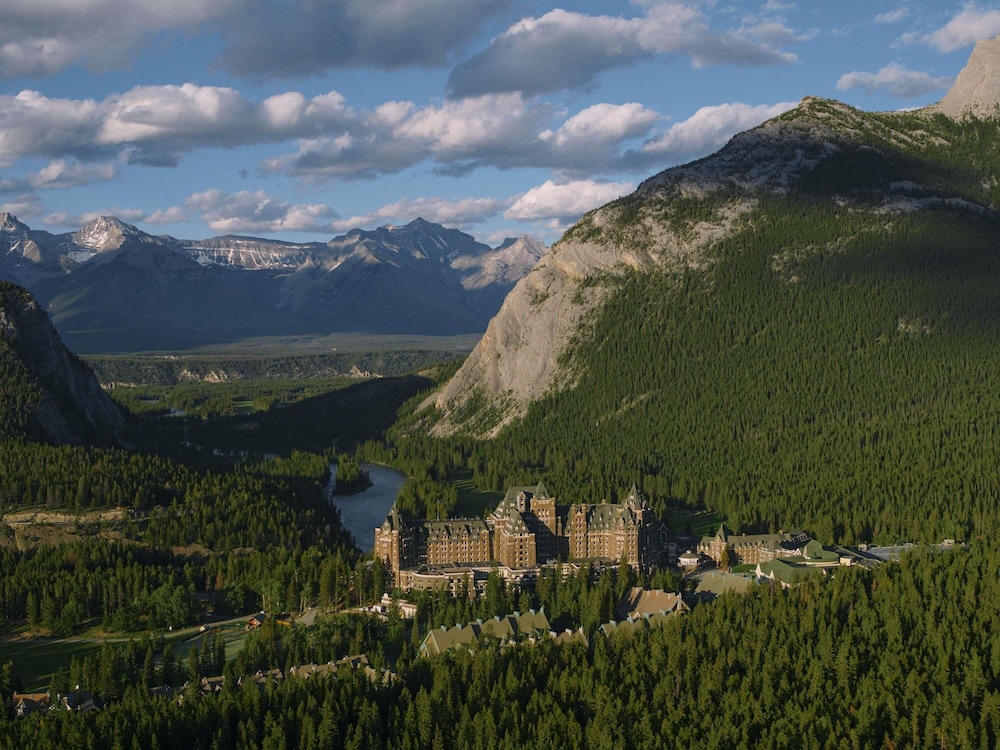
Banff is a town in Alberta, Canada, located within Banff National Park in the Rocky Mountains. It is one of Canada's most popular tourist destinations, known for its stunning mountain scenery, outdoor recreation, and wildlife. The town sits at an elevation of 1,400 metres (4,600 ft) and is…
Every stay in Banff
Recent rates first, then the best-reviewed rooms. · page 1 of 2




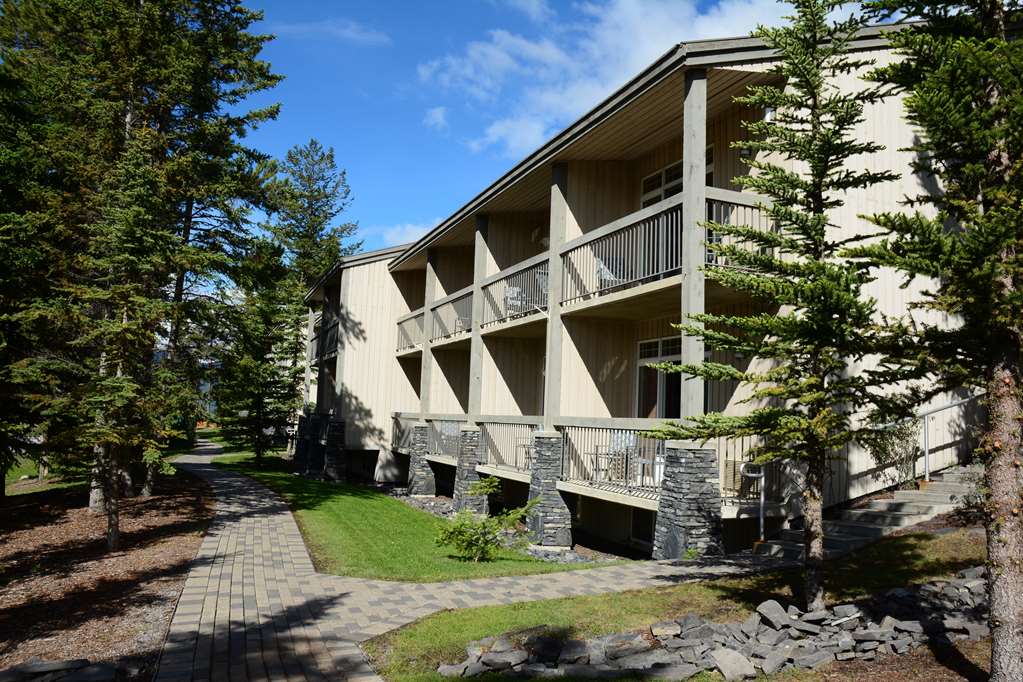
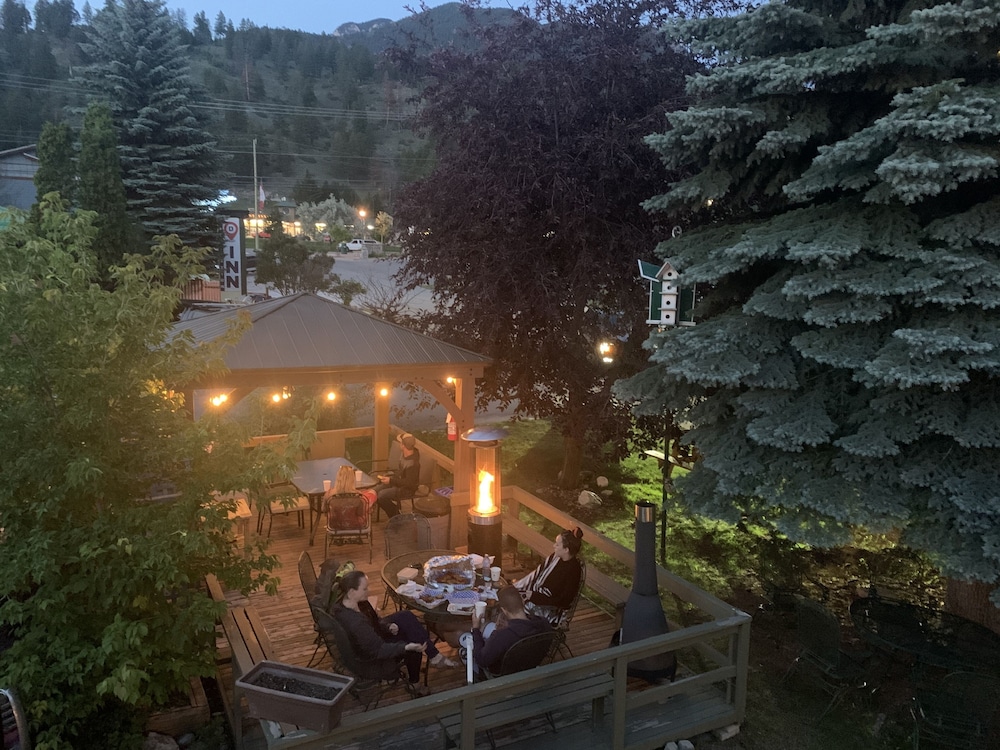
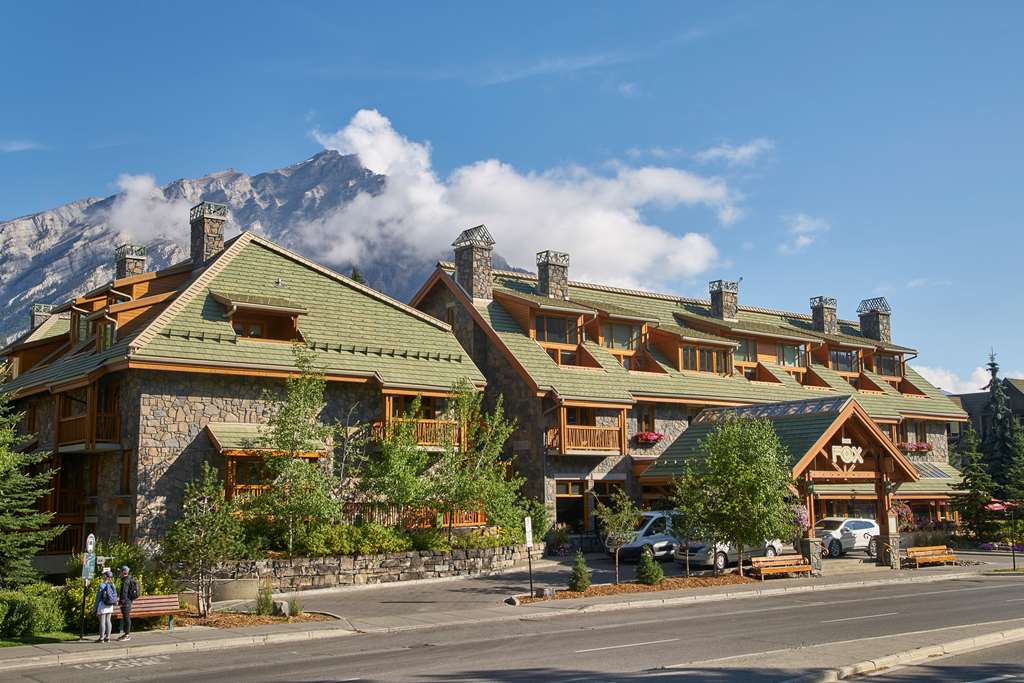
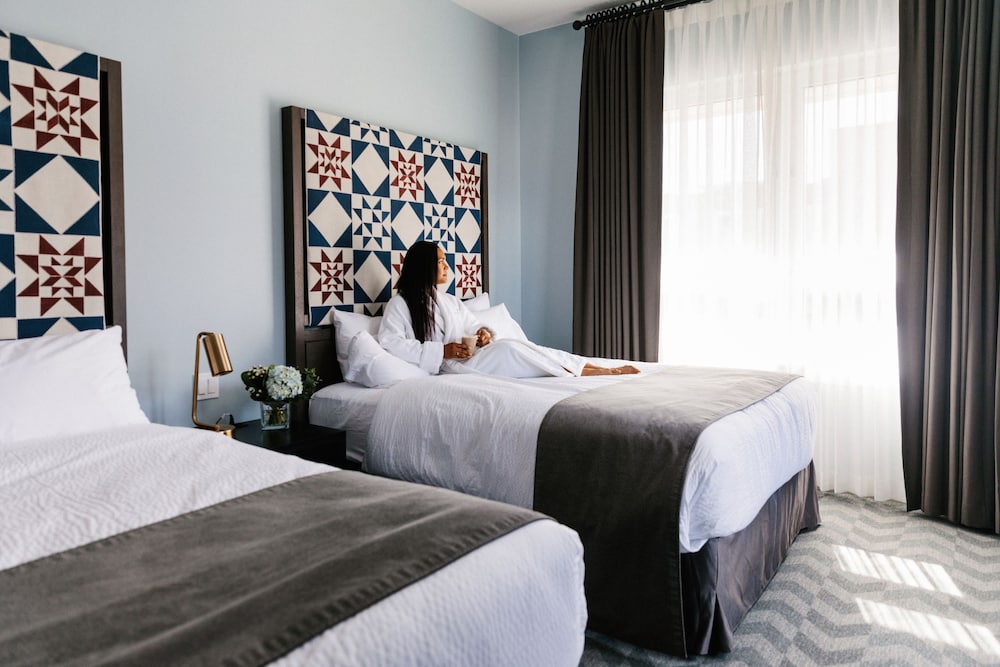
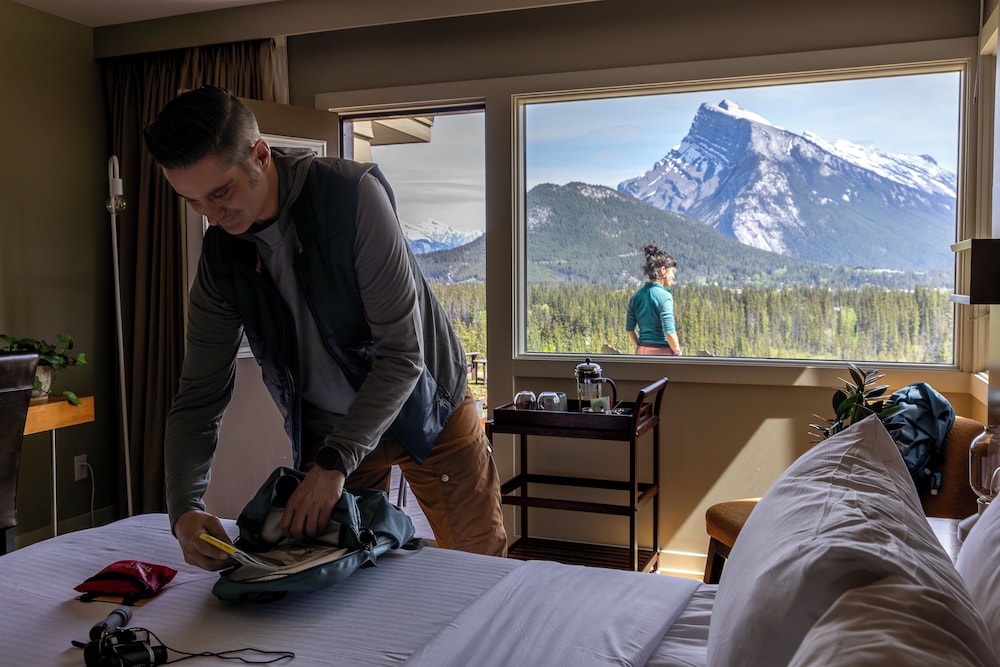

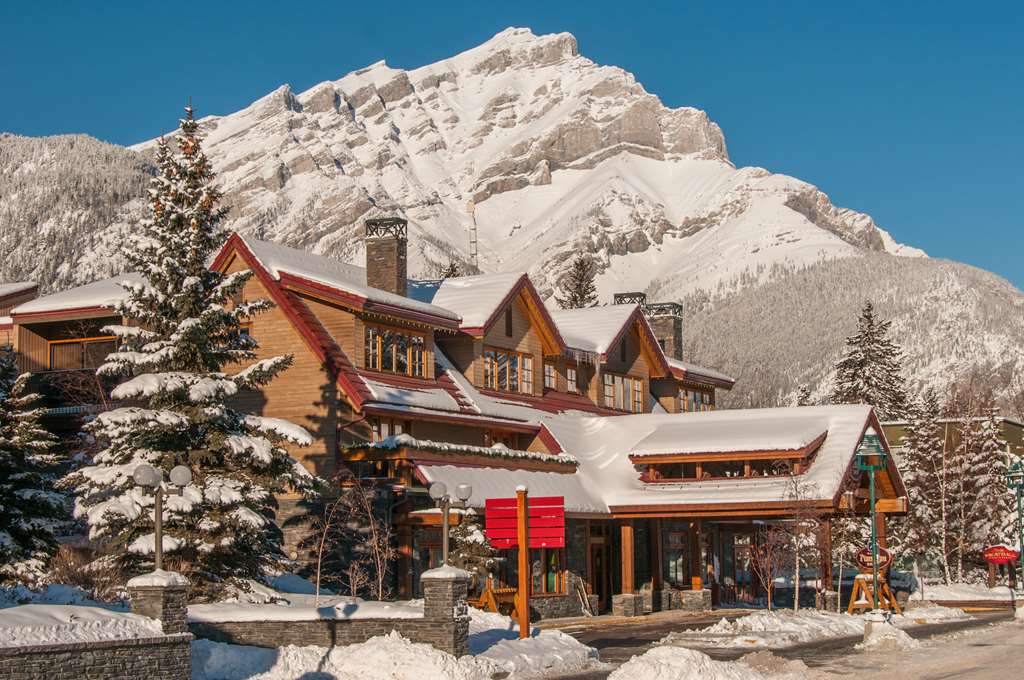
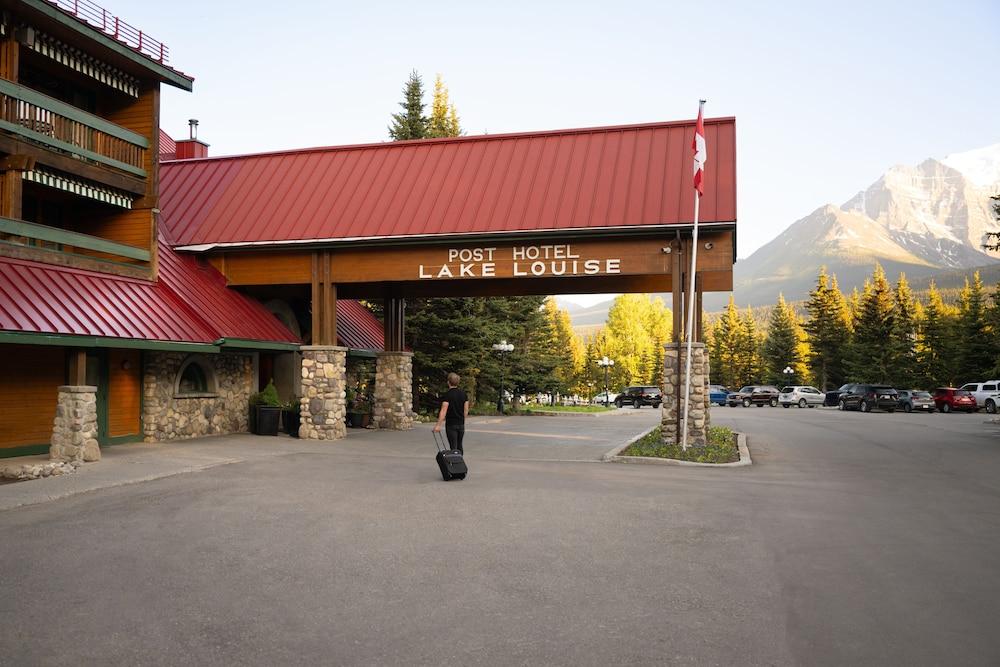


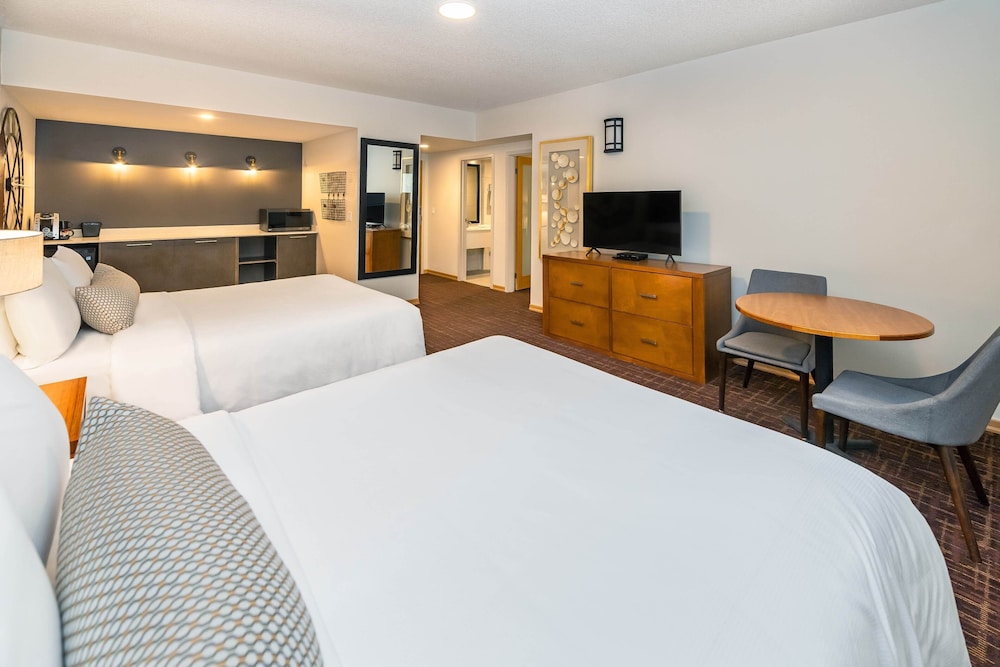
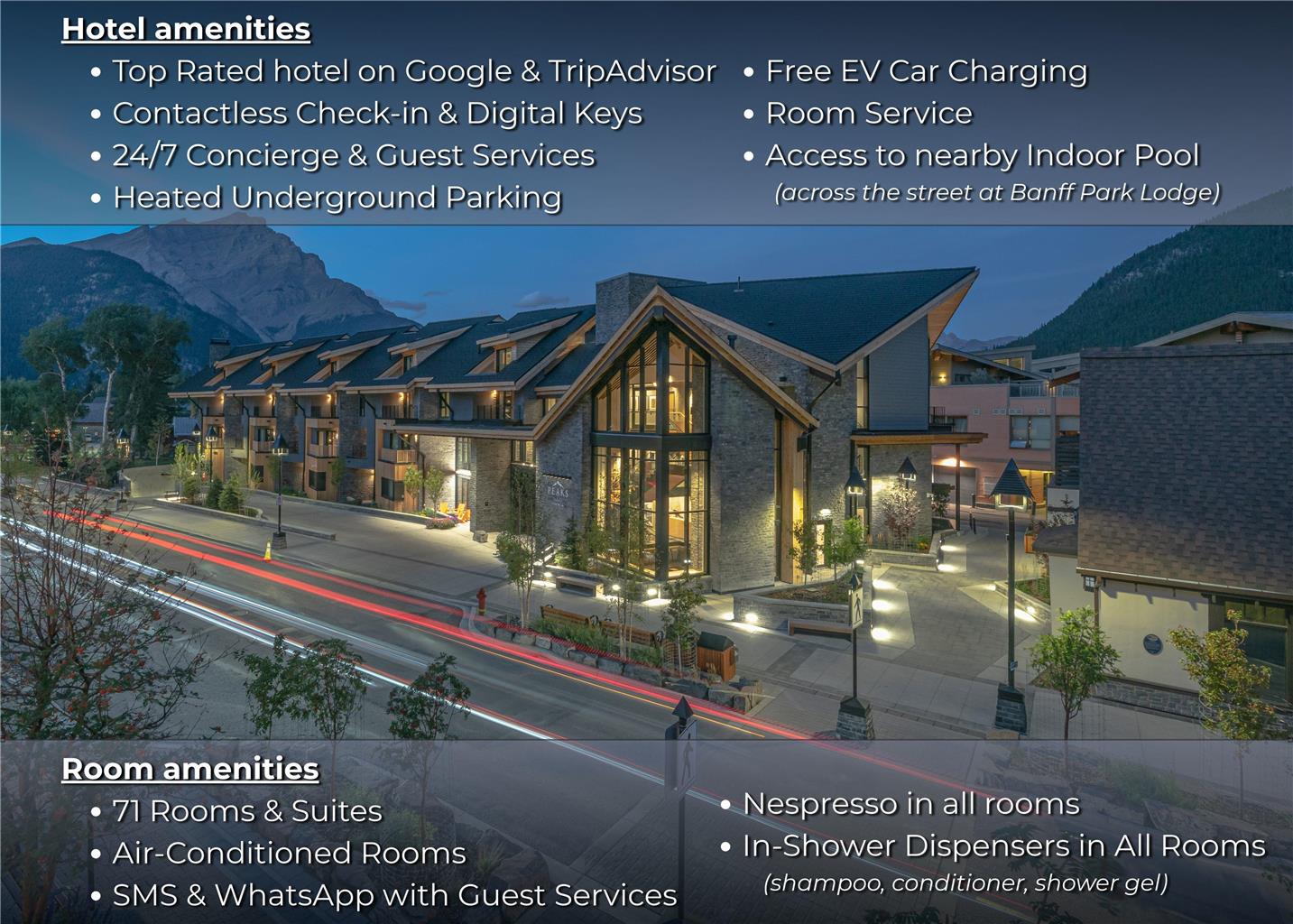
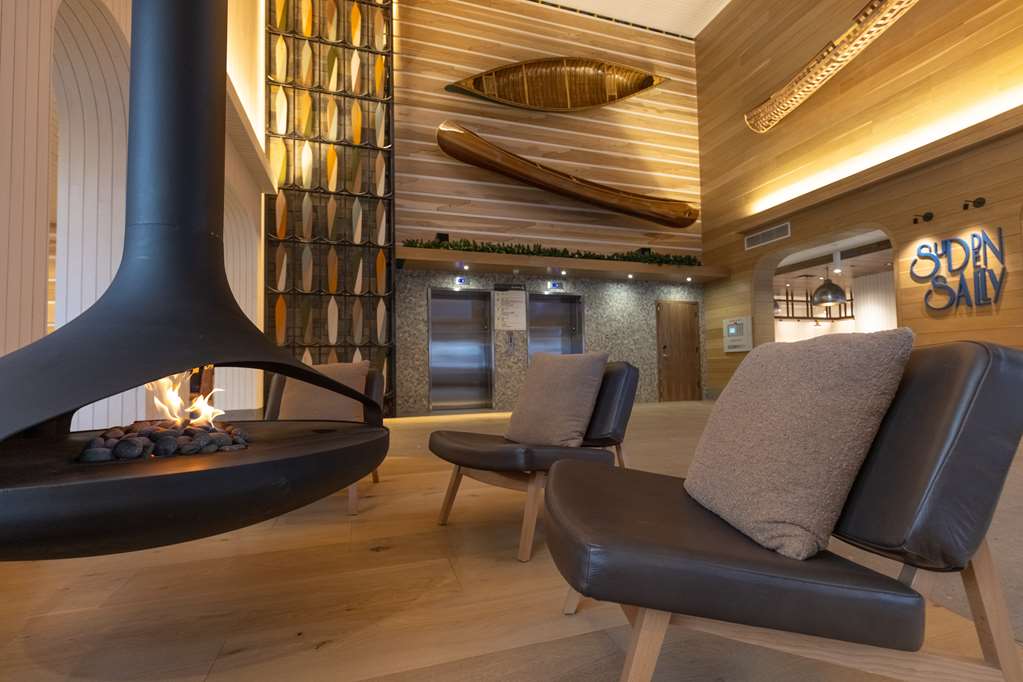
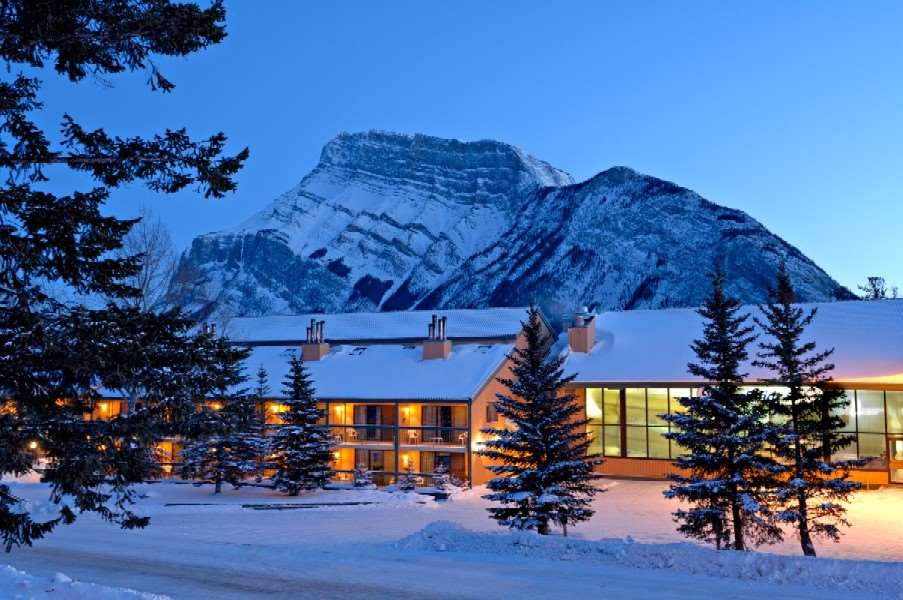
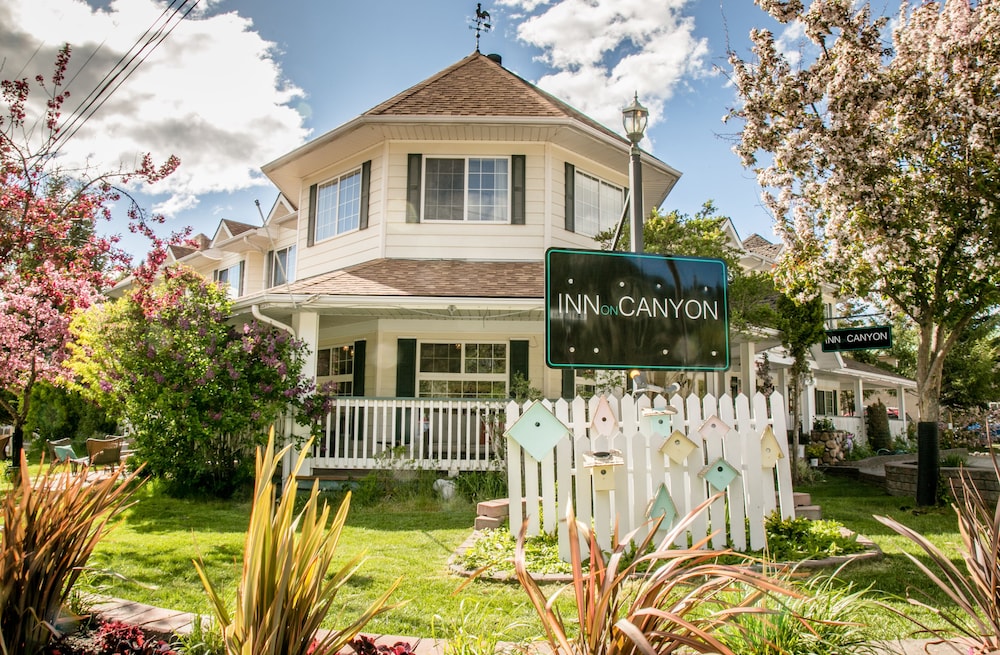
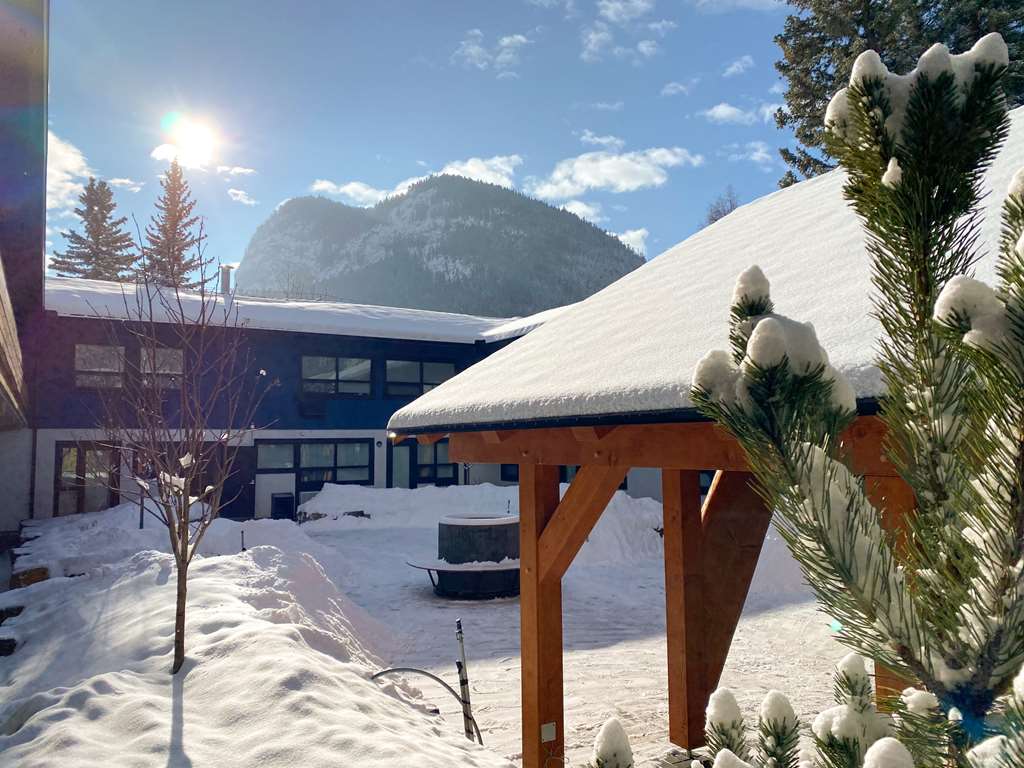
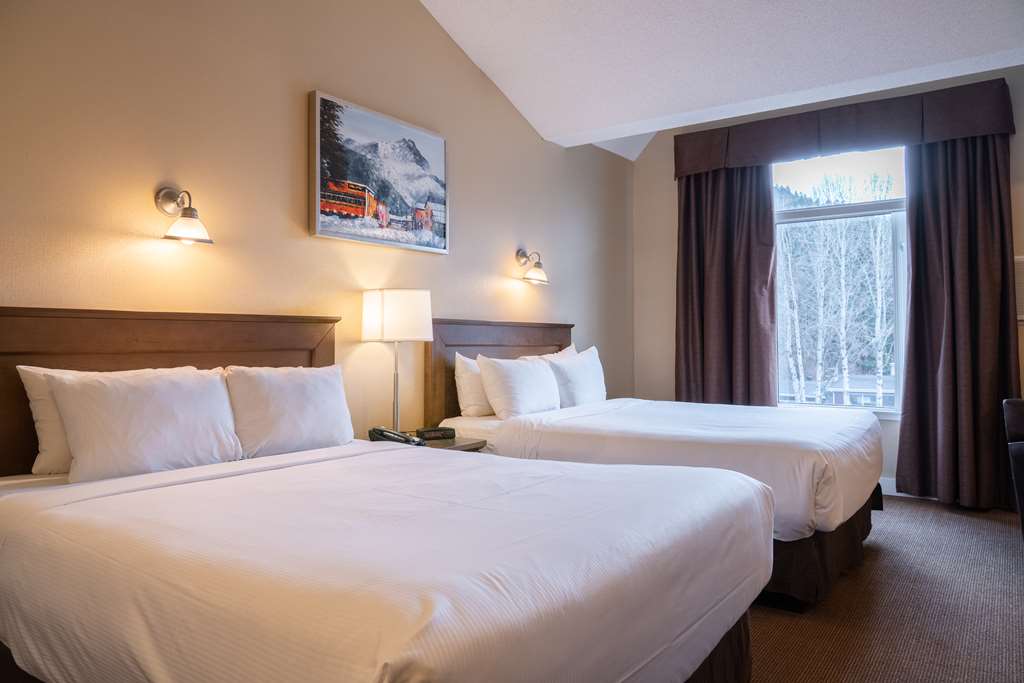
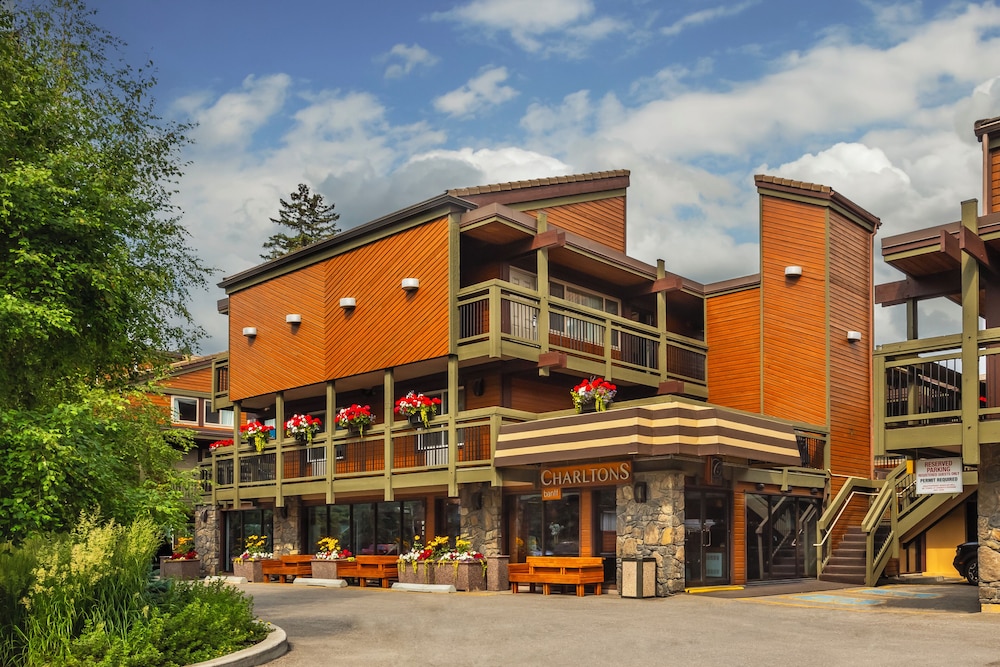
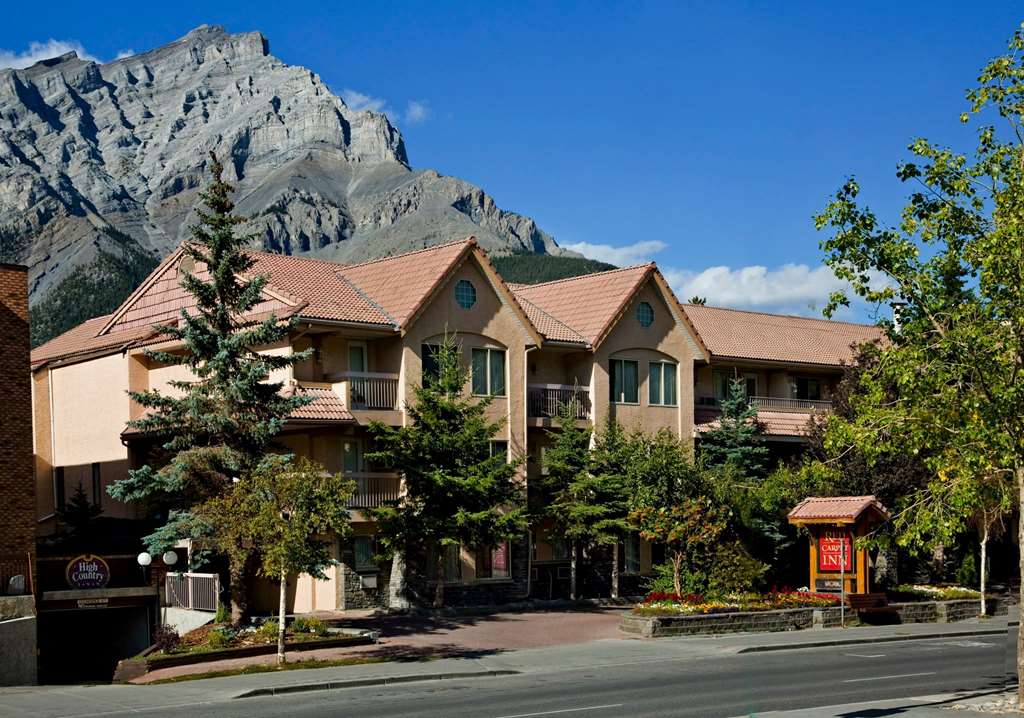
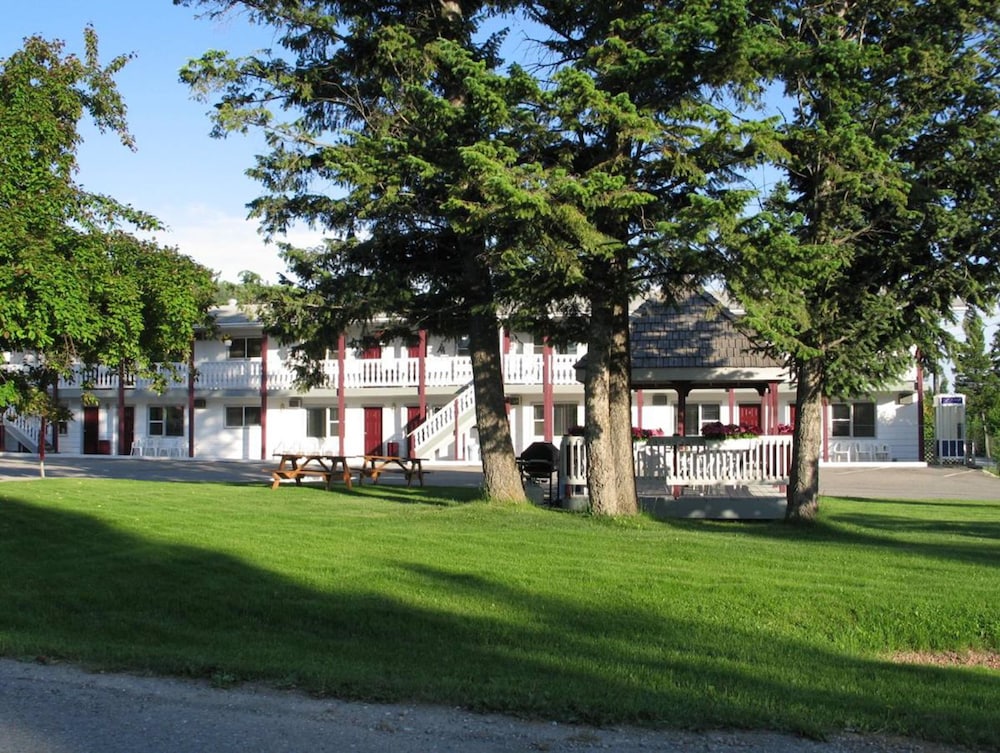
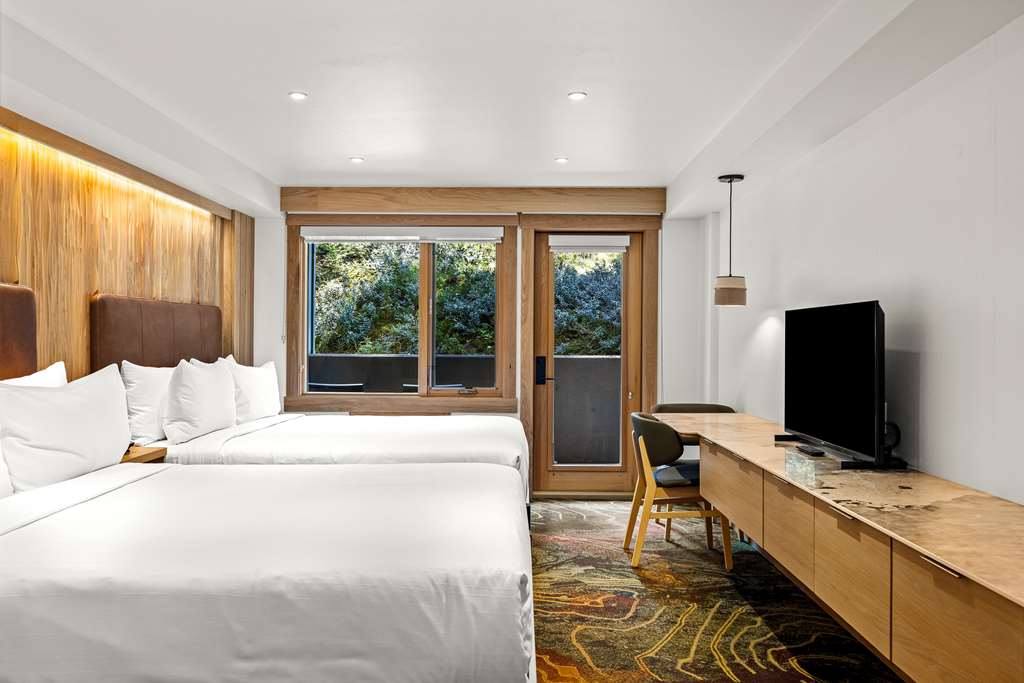
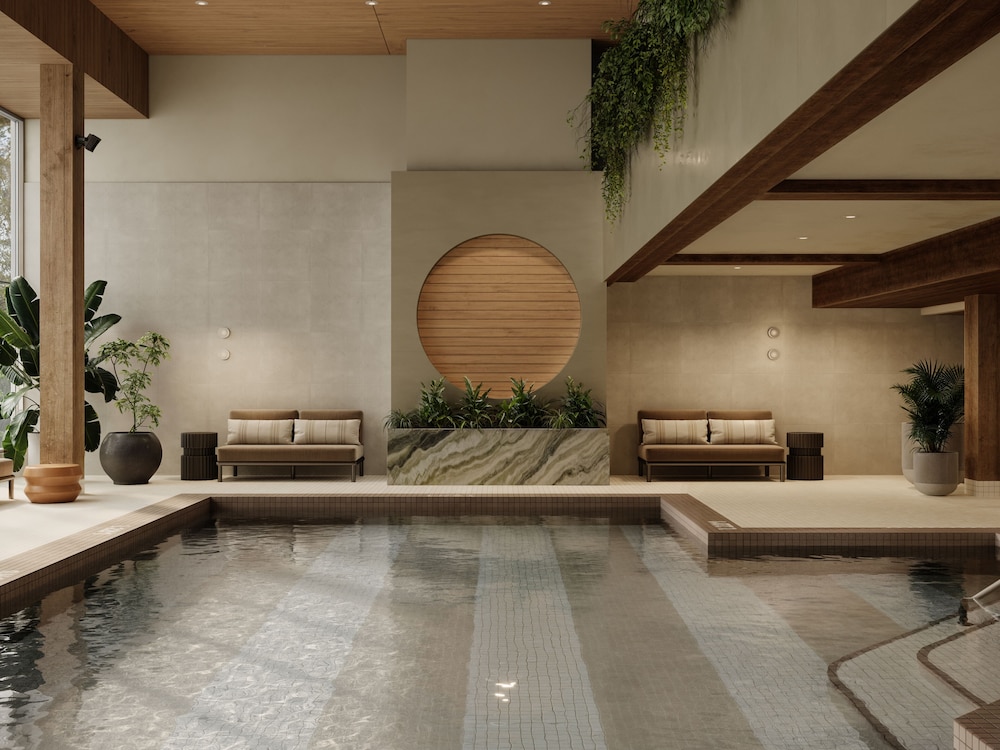

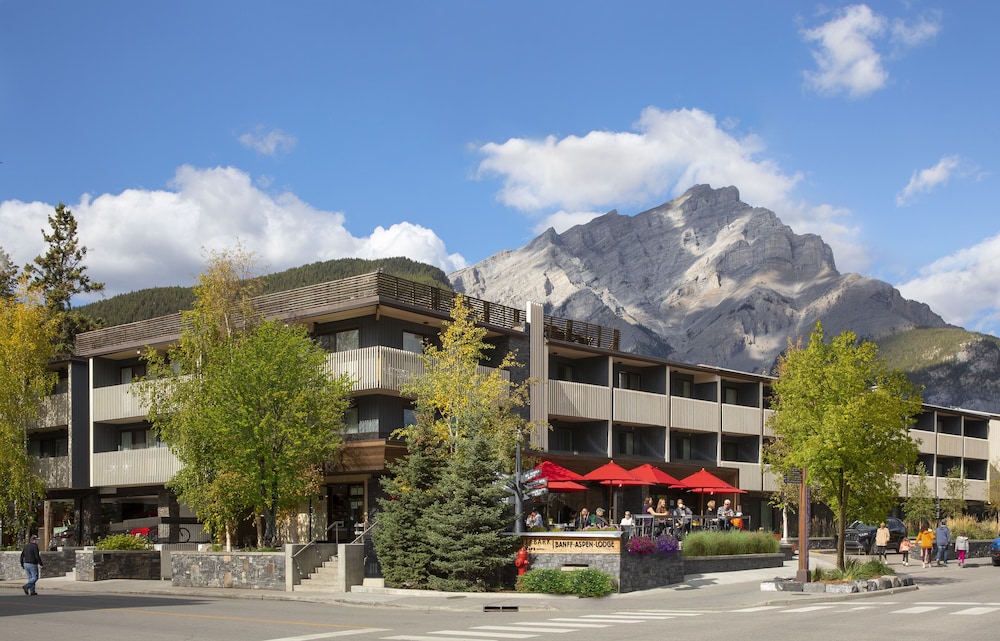
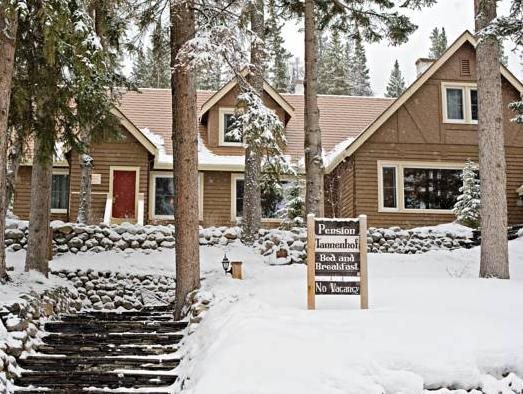
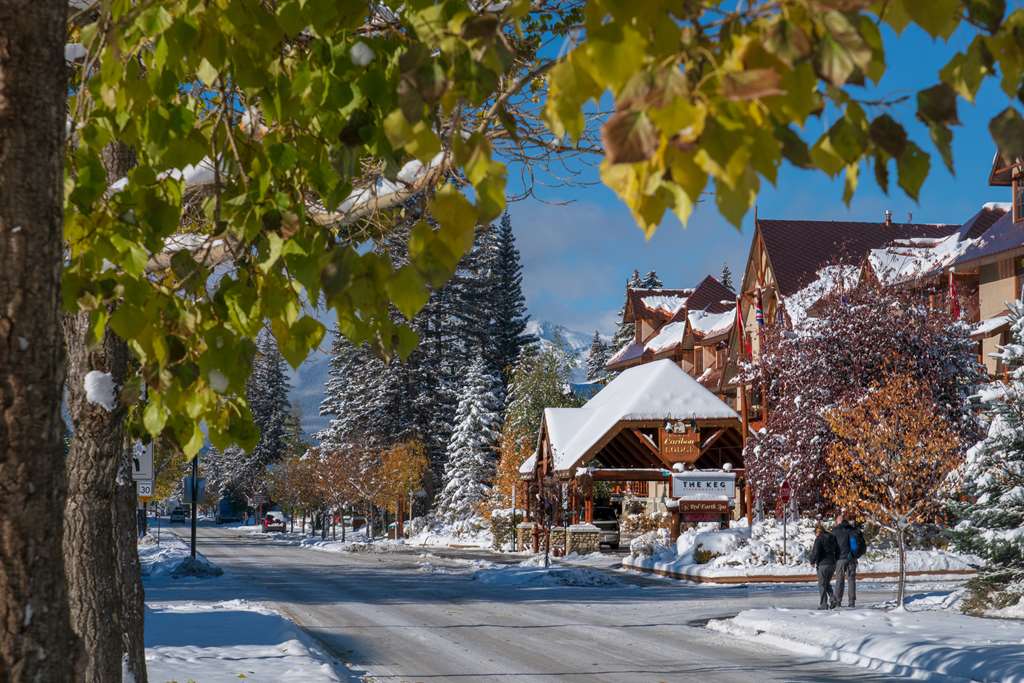
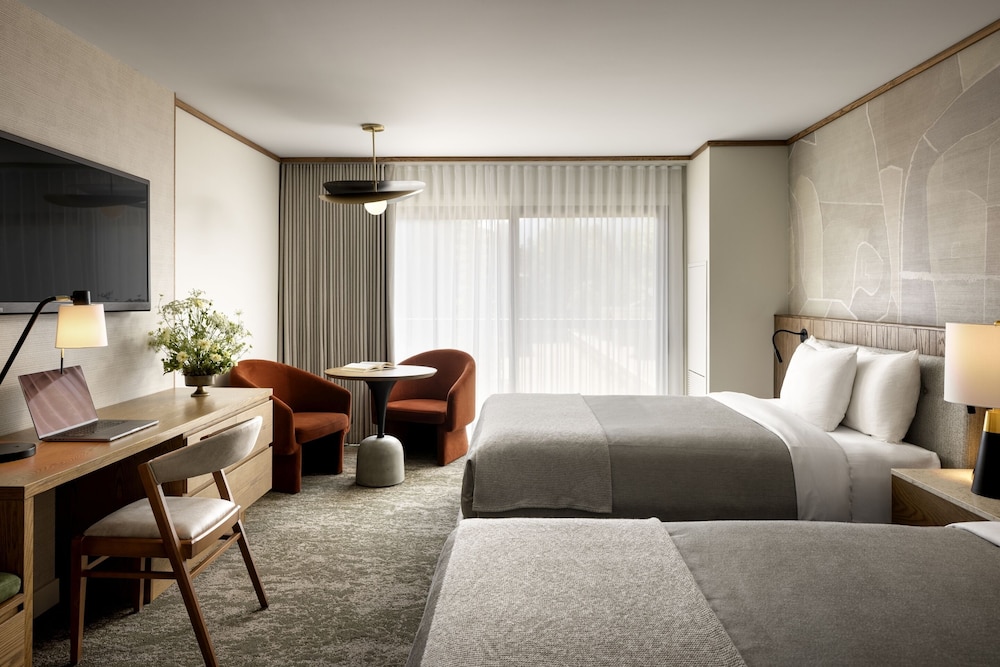
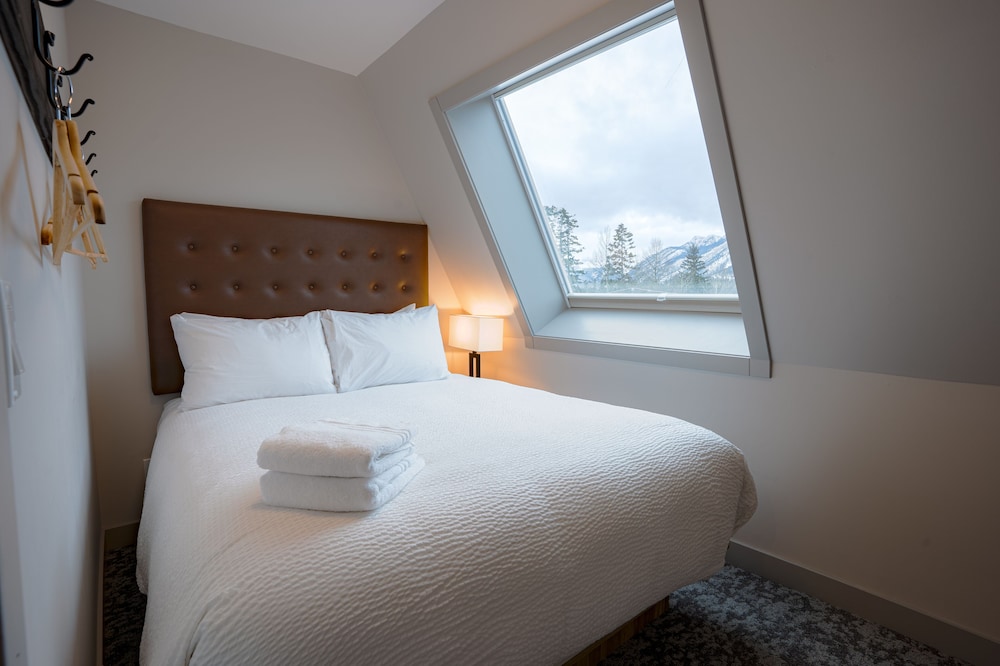
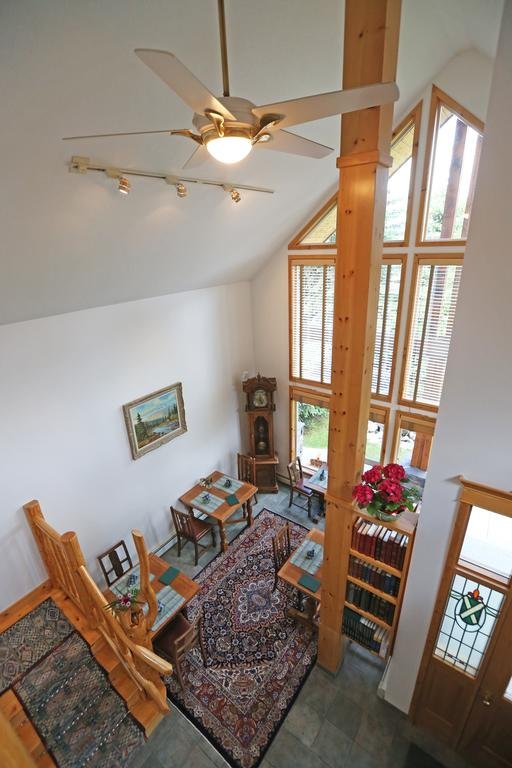
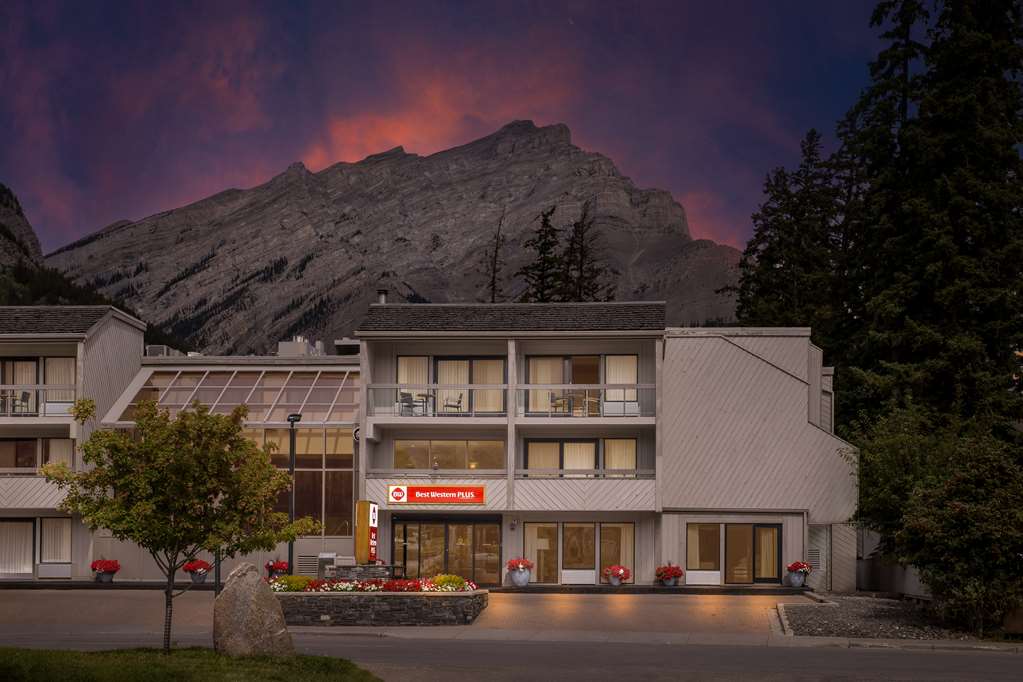
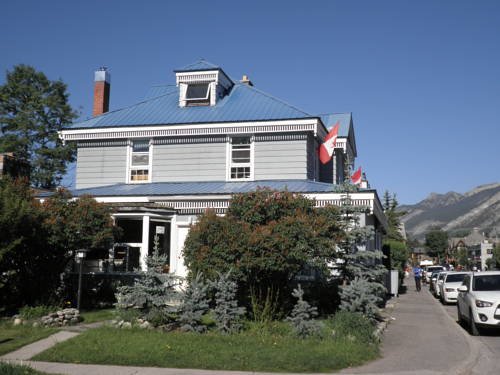


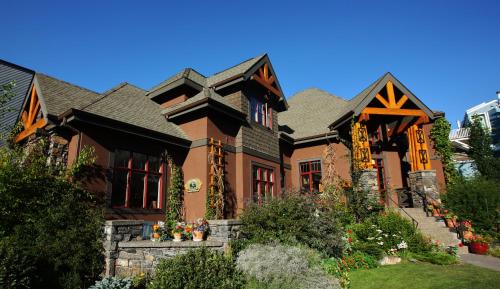
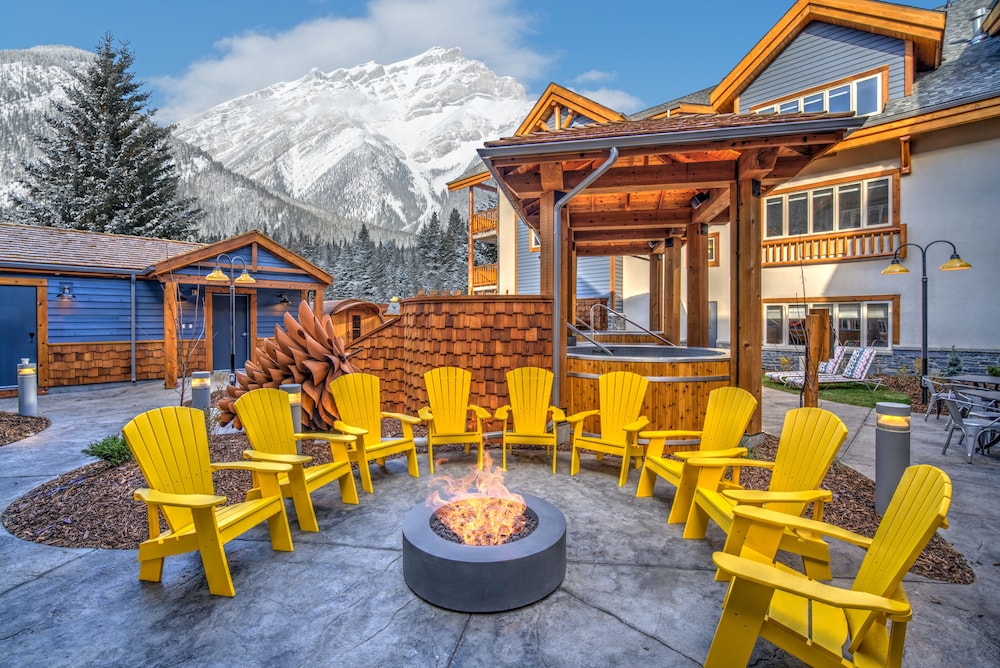

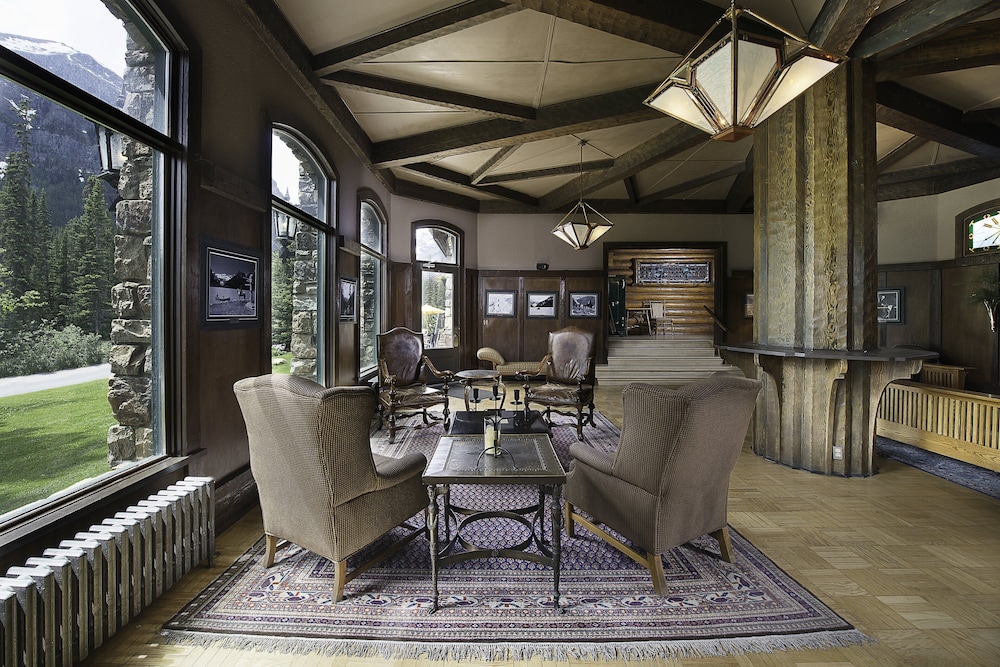
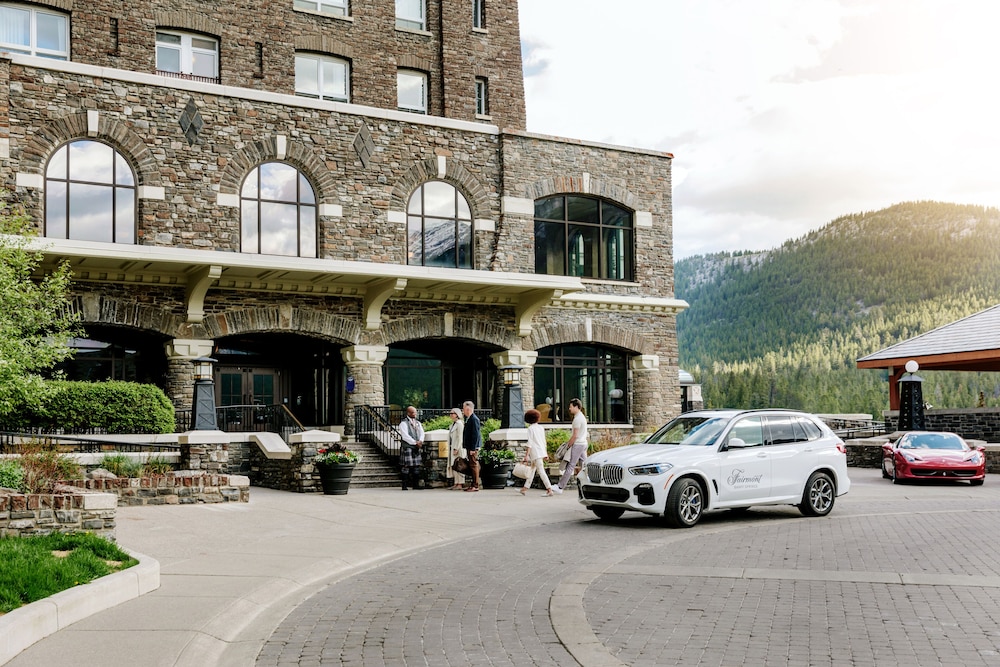

Search live rates in Banff
Pick your dates — every Banff room with a live price, in one list.
Free cancellation on most rooms · 1 t CO₂ removed per booking, at no extra cost.
About Banff
Banff offers a wide range of activities throughout the year. In summer, visitors can hike, bike, canoe, and explore the many trails and lakes. In winter, skiing and snowboarding at nearby resorts like Sunshine Village, Lake Louise Ski Resort, and Mt. Norquay are major draws. The town is also home to cultural attractions such as the Whyte Museum of the Canadian Rockies and the Banff Centre for Arts and Creativity.
With 87 hotels listed on our site, accommodation ranges from luxury resorts to budget-friendly options, with an average guest score of 4.3 out of 5. Whether you're seeking adventure or relaxation, Banff provides a memorable mountain experience.
Where to stay in Banff
Banff Townsite. The central area offers the widest choice of hotels, restaurants, and shops, all within walking distance of many attractions.
Tunnel Mountain. Located just above the townsite, this area has several hotels and campgrounds with easy access to trails and views.
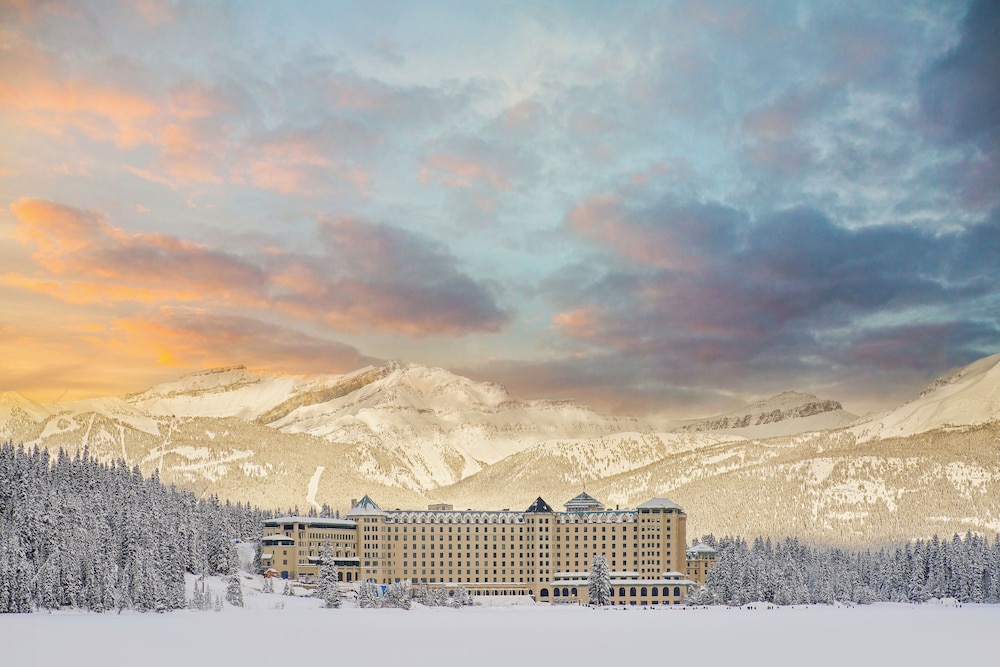
Lake Louise. About 60 km northwest of Banff, this hamlet is home to the famous lake and Chateau, with a smaller selection of accommodations.
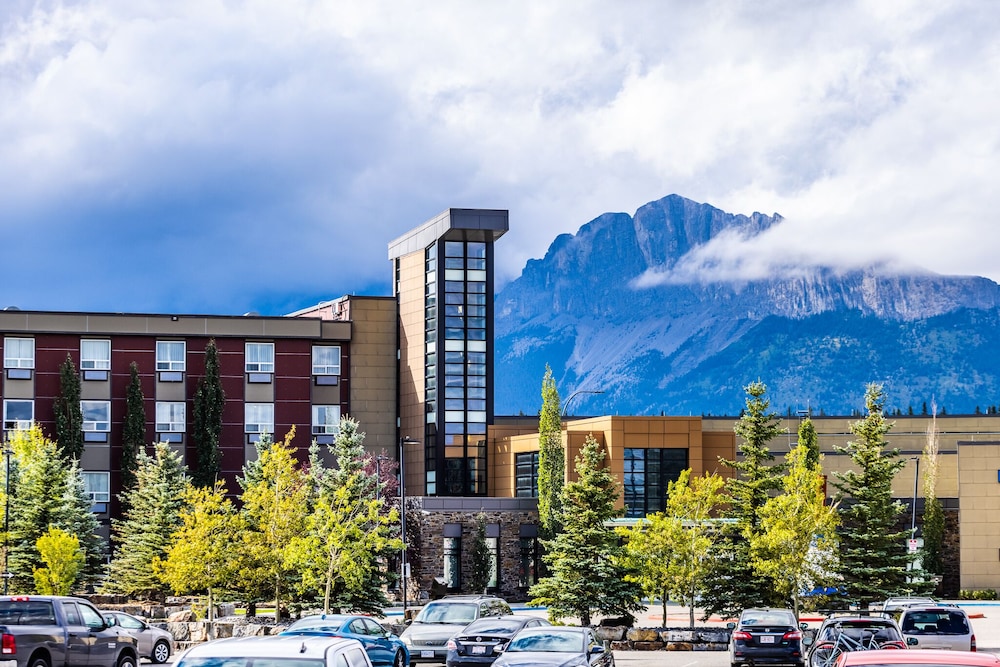
Canmore. A nearby town east of Banff, offering alternative lodging options and a range of amenities just outside the park gates.
Getting there and around
Banff is accessible by road via the Trans-Canada Highway (Highway 1), approximately 130 km west of Calgary. The nearest major airport is Calgary International Airport (YYC), about 1.5 hours away by car. Shuttle services and buses connect the airport to Banff. Within Banff, getting around is easy by foot, bike, or local transit. Roam Transit operates bus routes in town and to nearby attractions like Lake Louise and Canmore. Taxis and ride-sharing are also available.
When to go
The best time to visit Banff depends on your interests. Summer (June to August) offers warm weather and access to hiking trails and lakes, though it is the busiest season. Winter (December to March) is ideal for skiing and snowboarding, with colder temperatures and snow-covered landscapes. Spring and autumn are quieter, with fewer crowds and lower accommodation rates, but some facilities may be limited. Year-round, weather can change quickly, so pack accordingly.
Questions, answered
Do I need a park pass to visit Banff?
Yes, a valid Parks Canada Discovery Pass or day pass is required for all visitors to Banff National Park. Passes can be purchased at park gates or online.
What is the altitude of Banff?
Banff sits at 1,400 metres (4,600 ft) above sea level. Visitors may experience mild altitude effects, so stay hydrated and take it easy on the first day.
Are there wildlife encounters in Banff?
Yes, Banff is home to bears, elk, deer, and other wildlife. Always keep a safe distance, carry bear spray on trails, and follow Parks Canada guidelines.
Is Banff family-friendly?
Yes, Banff offers many family-oriented activities such as the Banff Gondola, Upper Hot Springs, and easy hiking trails. Many hotels cater to families.
Can I visit Banff without a car?
Yes, Banff is walkable and has public transit. Shuttles connect to major attractions, and tours are available from the townsite.