Aurora Inn
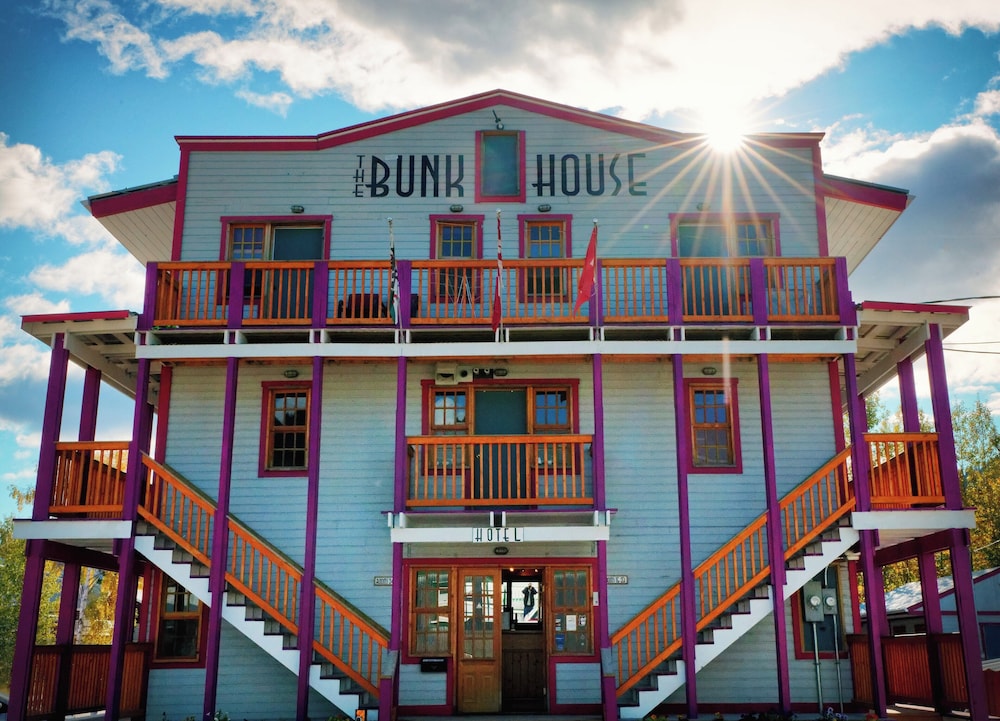
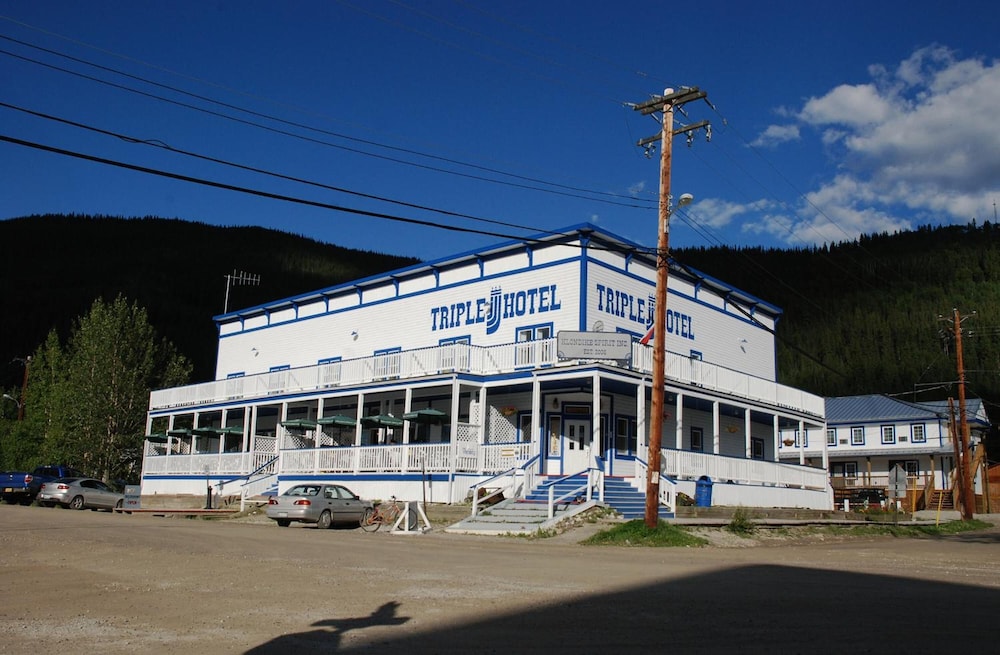
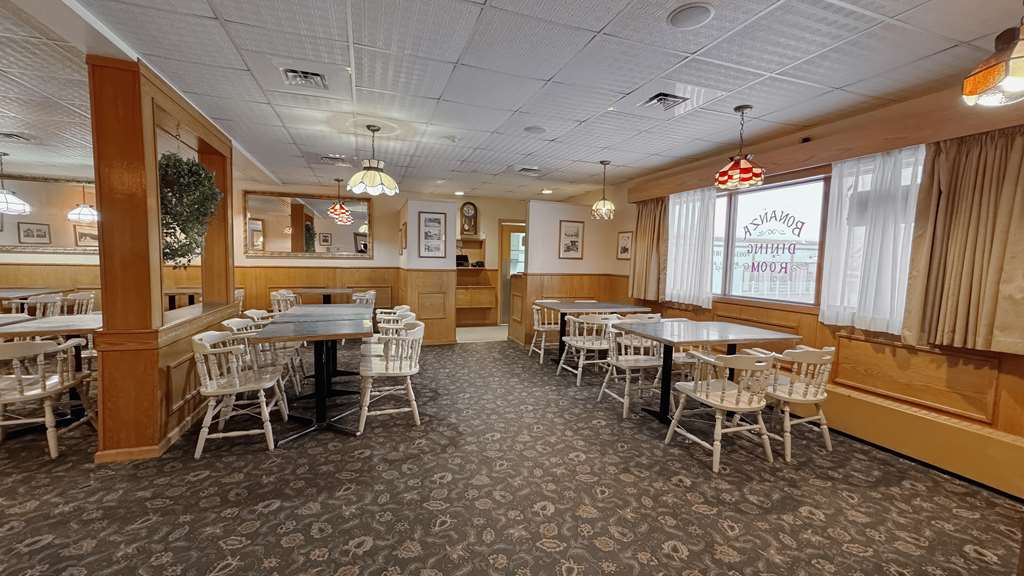
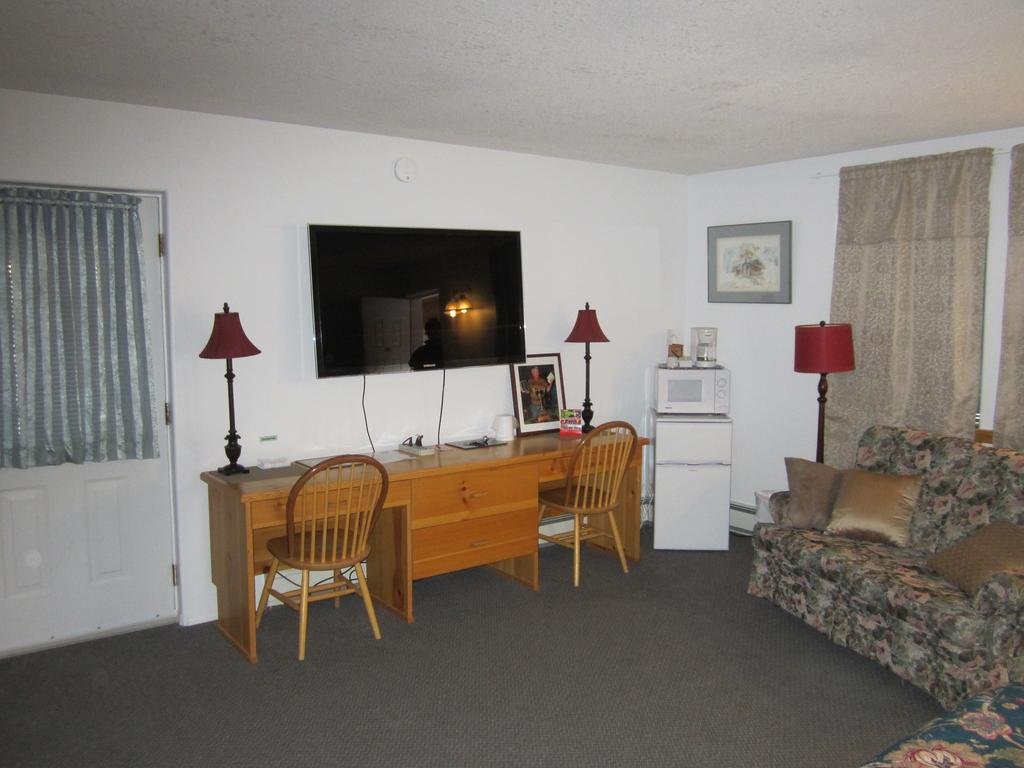
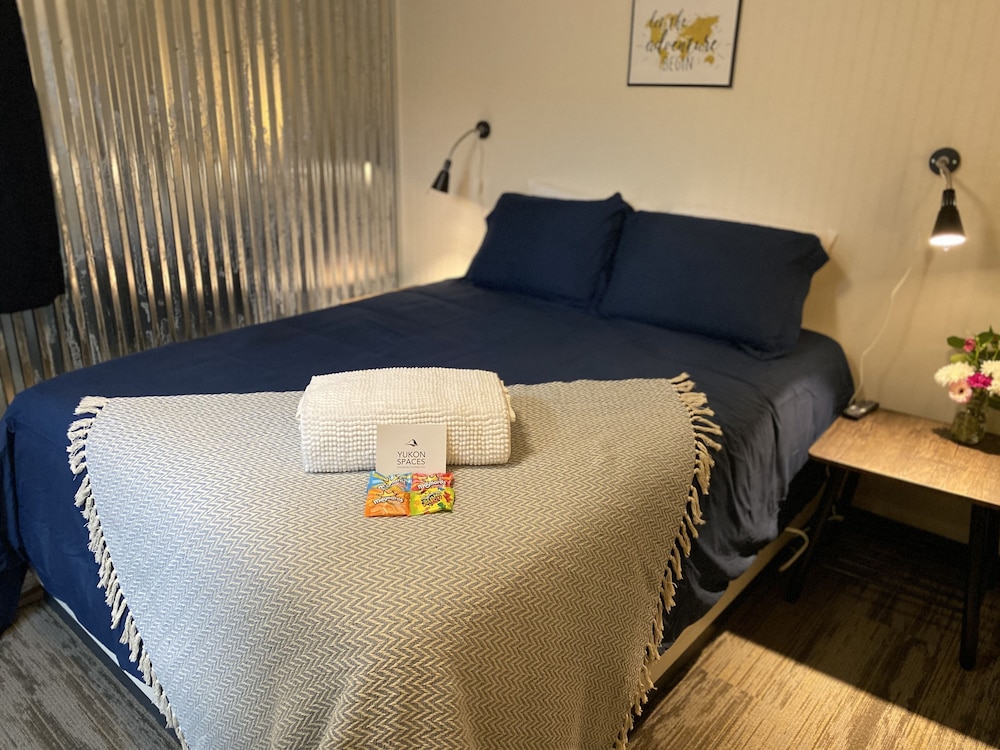
Aurora Inn is an economical option in Dawson City, Yukon, handy for travellers focused on Kusawa Territorial Park and the main sights.
Guests typically choose Dawson City for its balance of location and price; Aurora Inn is a good fit if you want to be near the action in Yukon.
Because pricing is set live by the hotel and its suppliers, the figure shown here is a recent snapshot; check the current rate for your exact dates before booking.
Key facts
What’s included
Around Dawson City
What Yukon hotels actually cost
Budget in the Yukon is not cheap by Canadian standards. In Whitehorse in July, expect CAD 130–170 for a basic motel room in Porter Creek or on Two Mile Hill, CAD 190–260 for a mid-range downtown hotel like the ones on Main Street or Second Avenue, and CAD 300–400 for the top end with river views. Dawson City tracks similar numbers in summer, with heritage properties on Front Street at the higher end.
Rates drop sharply after Labour Day: the same downtown Whitehorse room that is CAD 240 in July often sits at CAD 130–150 in October. Winter aurora season pushes prices back up from late December through March, especially around Chinese New Year, when three-night minimums appear. In the small communities — Mayo, Faro, Ross River, Beaver Creek — there is often only one operating hotel, priced CAD 150–220 year-round because it caters to government and industry crews, not tourists.
The Yukon booking trap most first-time visitors fall into
The mistake is treating the Dempster Highway, Tombstone or Inuvik as a day trip from Dawson City. Tombstone Interpretive Centre is 115 km up the Dempster from the Klondike Highway junction — about 1.5 hours each way on gravel — and there is no fuel between the junction and Eagle Plains, 371 km in. People book one night in Dawson, plan to "see the Dempster", and either burn the day driving or run into tyre trouble with no cell service.
The other under-booked window is shoulder aurora in late August and early September, when nights are dark enough to see the lights but hotels are still discounting from summer peak and the highways to Kluane and Tombstone are open and dry. Old Crow, above the Arctic Circle, is the one place people wrongly skip on principle — it is only reachable by Air North charter and Vuntut Gwitchin First Nation approval matters for visits, so it is not a walk-up destination, but it is the Yukon community most travellers regret not planning for.
Where to stay in the Yukon: picking a base
Most first visits are built around Whitehorse, because the airport, the Alaska Highway and the Klondike Highway all meet there. Downtown Whitehorse puts you walking distance from the SS Klondike, the MacBride Museum and Main Street restaurants, and is where mid-range rates sit highest — expect to pay 30–40% more than the outskirts in July. Riverdale, across the Yukon River, and Porter Creek, 7 km north, are quieter residential districts with cheaper motels and B&Bs, though you will want a vehicle from either.
Outside the capital, Dawson City is the second obvious base for the Klondike goldfields and the Dempster Highway turnoff, and runs about the same price as downtown Whitehorse in summer. Haines Junction is the gateway to Kluane National Park; Carcross and Tagish suit lake stays an hour south of Whitehorse; Watson Lake, Teslin and Carmacks are highway stops rather than destinations; and Beaver Creek, Destruction Bay, Burwash Landing, Mayo, Keno City, Faro, Ross River, Pelly Crossing and Old Crow are for travellers with a specific reason — fly-in, road trip, or work — and thin, often single-property markets.