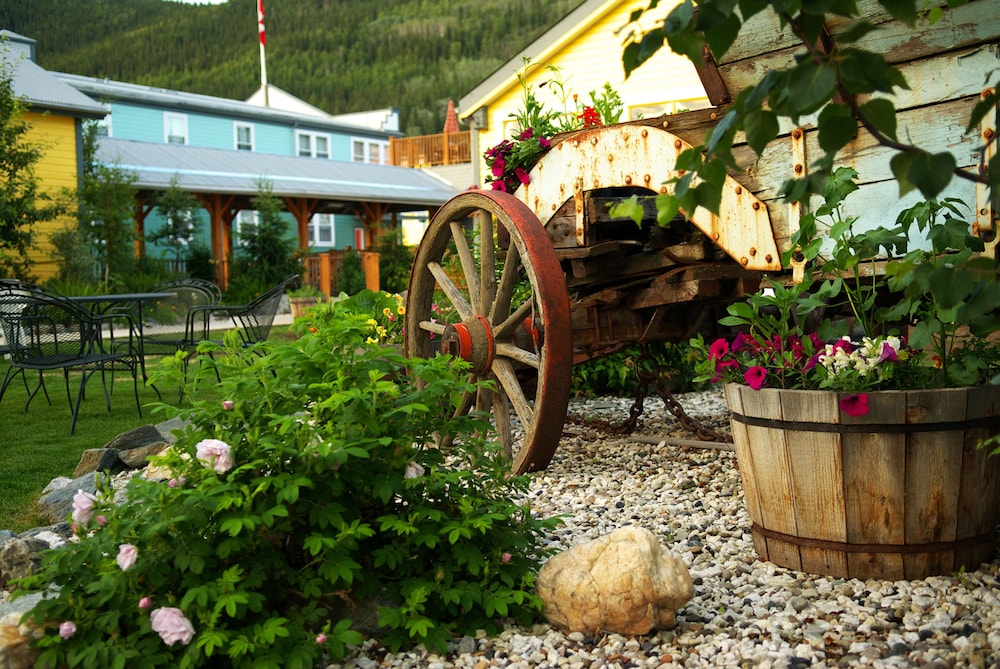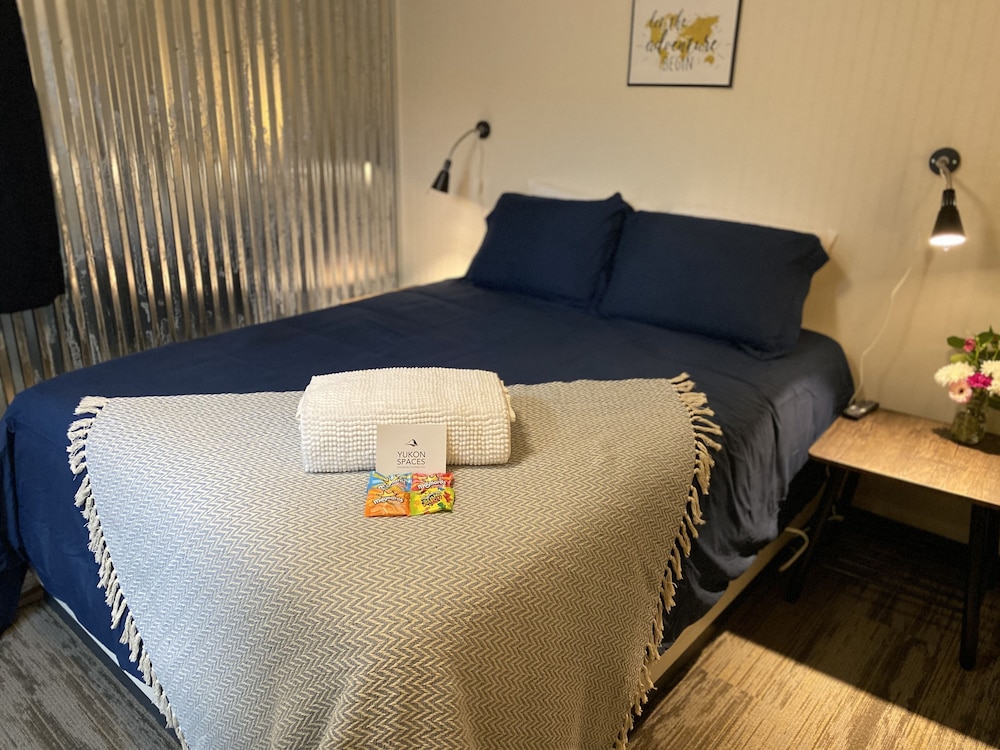
Bonanza Gold Motel & RV Park
Bonanza Gold Motel & RV Park is a practical 3-star stay in Dawson City, Yukon — good value for exploring the area and its landmarks like Tatshenshini-Alsek Park.
The surrounding Dawson City district is one of the most convenient parts of Yukon to stay in, with restaurants, cafés and transport links close by.
Key facts
What’s included
Around Dawson City
Where to stay in the Yukon: picking a base
Most first visits are built around Whitehorse, because the airport, the Alaska Highway and the Klondike Highway all meet there. Downtown Whitehorse puts you walking distance from the SS Klondike, the MacBride Museum and Main Street restaurants, and is where mid-range rates sit highest — expect to pay 30–40% more than the outskirts in July. Riverdale, across the Yukon River, and Porter Creek, 7 km north, are quieter residential districts with cheaper motels and B&Bs, though you will want a vehicle from either.
Outside the capital, Dawson City is the second obvious base for the Klondike goldfields and the Dempster Highway turnoff, and runs about the same price as downtown Whitehorse in summer. Haines Junction is the gateway to Kluane National Park; Carcross and Tagish suit lake stays an hour south of Whitehorse; Watson Lake, Teslin and Carmacks are highway stops rather than destinations; and Beaver Creek, Destruction Bay, Burwash Landing, Mayo, Keno City, Faro, Ross River, Pelly Crossing and Old Crow are for travellers with a specific reason — fly-in, road trip, or work — and thin, often single-property markets.
Best time to visit the Yukon, month by month
The two peak windows are mid-June to late August for the midnight sun and hiking, and late August to mid-March for aurora viewing, with a lull in between. June through August is when Whitehorse hotels sell out around the Yukon Gold Panning Championships and Dawson City fills for Dawson City Music Festival (third weekend of July) and Discovery Days (17 August); rack rates in these weeks can be 50–80% above shoulder pricing.
September brings low light and low prices — often the best value month, with fewer bugs and the Dempster larches turning gold around Tombstone. October and November are the cheapest months of the year in Whitehorse, then rates climb again from late December as aurora tour groups arrive from Asia, holding firm through the Yukon Quest sled dog race in February and the Available Light Film Festival. April and May are quiet and cold, with breakup on the Yukon River usually in early May, and many highway lodges between Haines Junction and Beaver Creek stay closed until mid-May.
Getting around the Yukon: is a car actually needed?
Yes, for anything beyond Whitehorse itself, a vehicle is not optional. There is no passenger rail in the territory — the White Pass & Yukon Route from Carcross to Skagway is a seasonal tourist train, not transport — and intercity buses are limited to a few Husky Bus runs between Whitehorse and Dawson City (about 533 km, 6.5–7 hours) and seasonal shuttles to Haines Junction (158 km) and Skagway. Rentals in Whitehorse book out weeks ahead in July; reserve before you fly in.
Downtown Whitehorse is walkable and has a local bus, so a car-free stay works if you never leave the city. Distances elsewhere are the point: Whitehorse to Watson Lake is 435 km, Whitehorse to Beaver Creek 457 km, Dawson City to Inuvik along the Dempster 736 km of gravel. Old Crow has no road at all — Air North flies in from Whitehorse via Dawson. Fuel stops are spaced 100–200 km apart on the Alaska and Klondike Highways, and many close by 9pm.