 The Yukon
Home/Stays/Downtown Whitehorse
Wild North Bed & Rest


About this stay
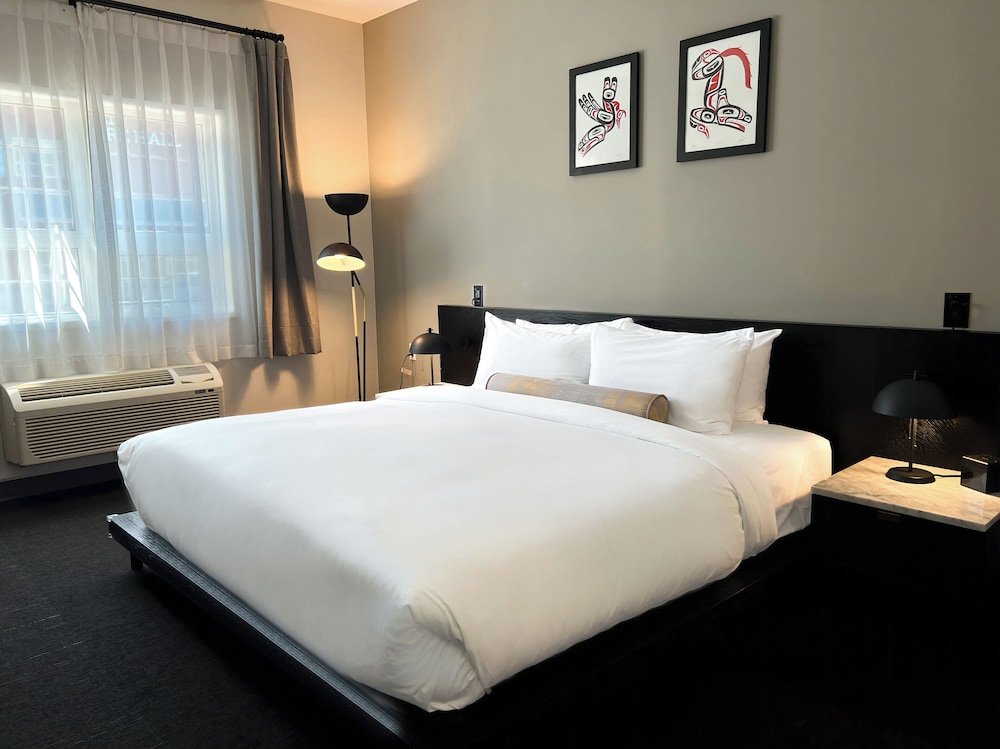
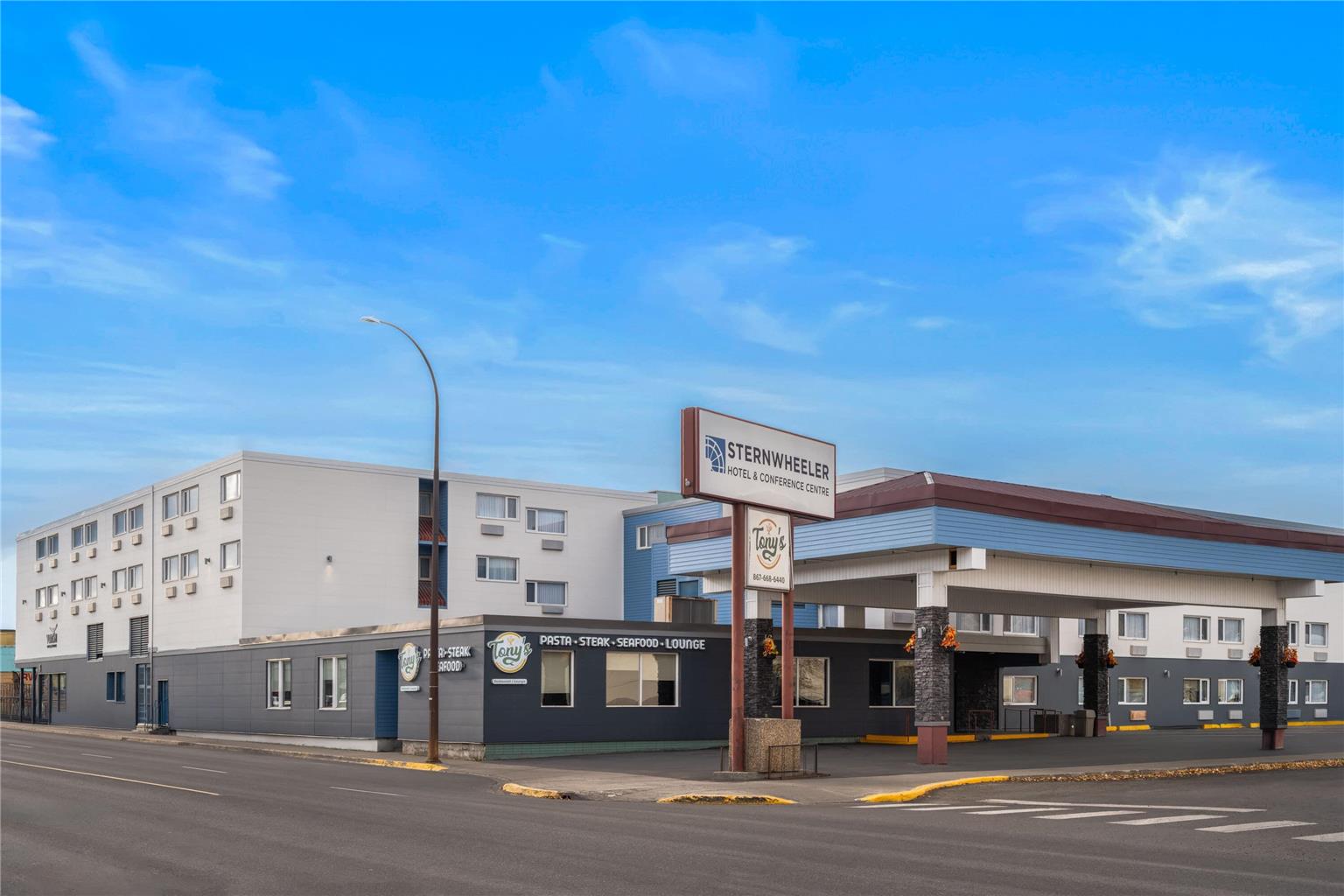
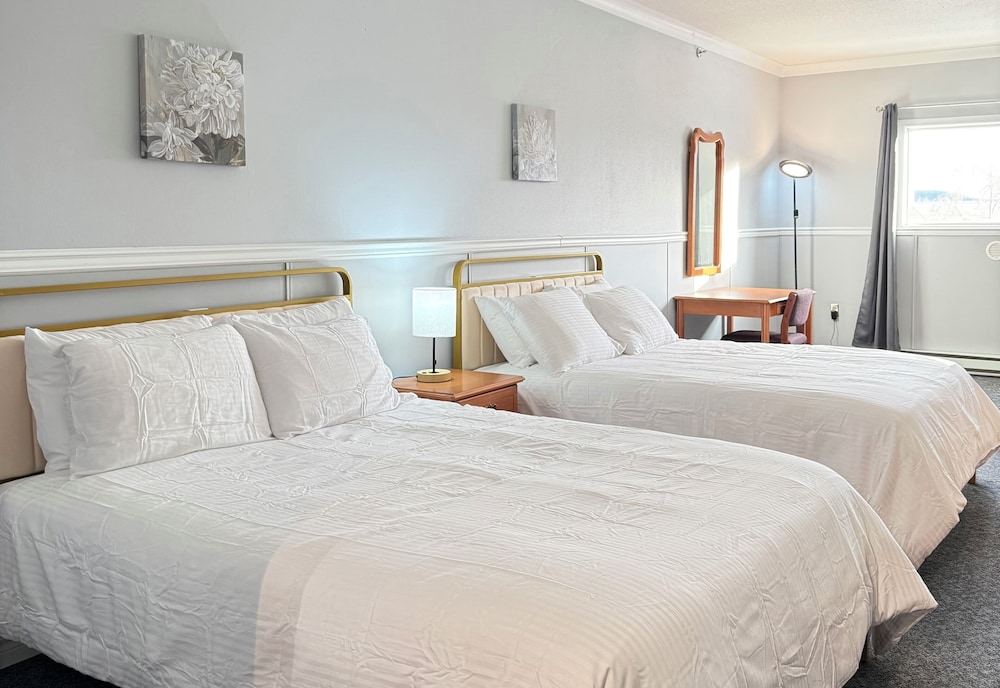
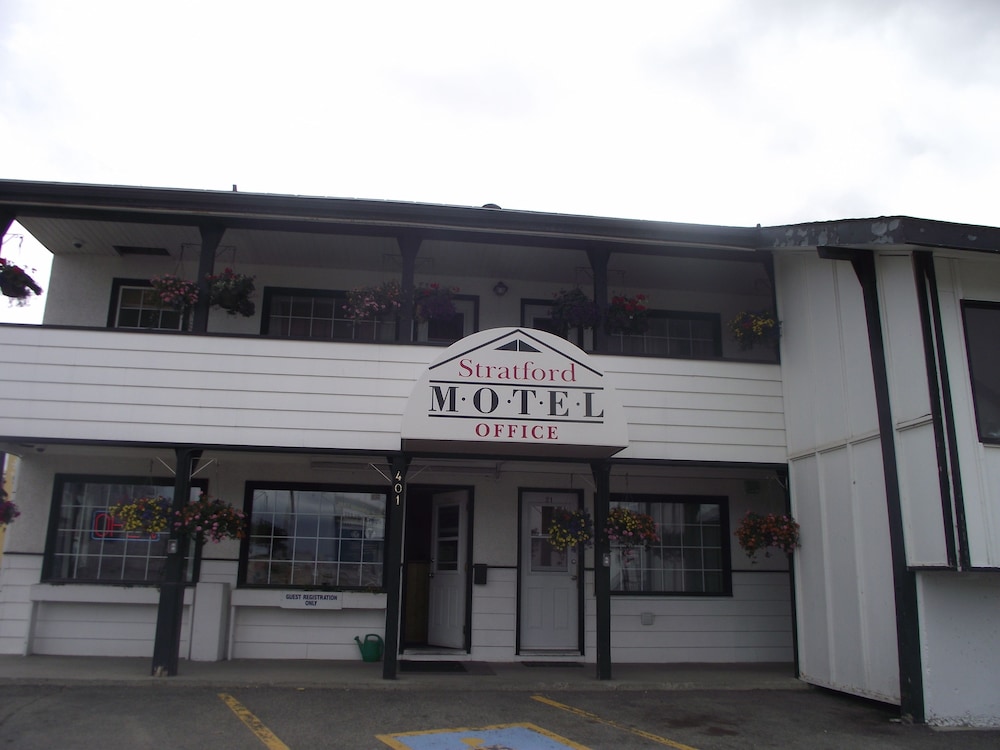
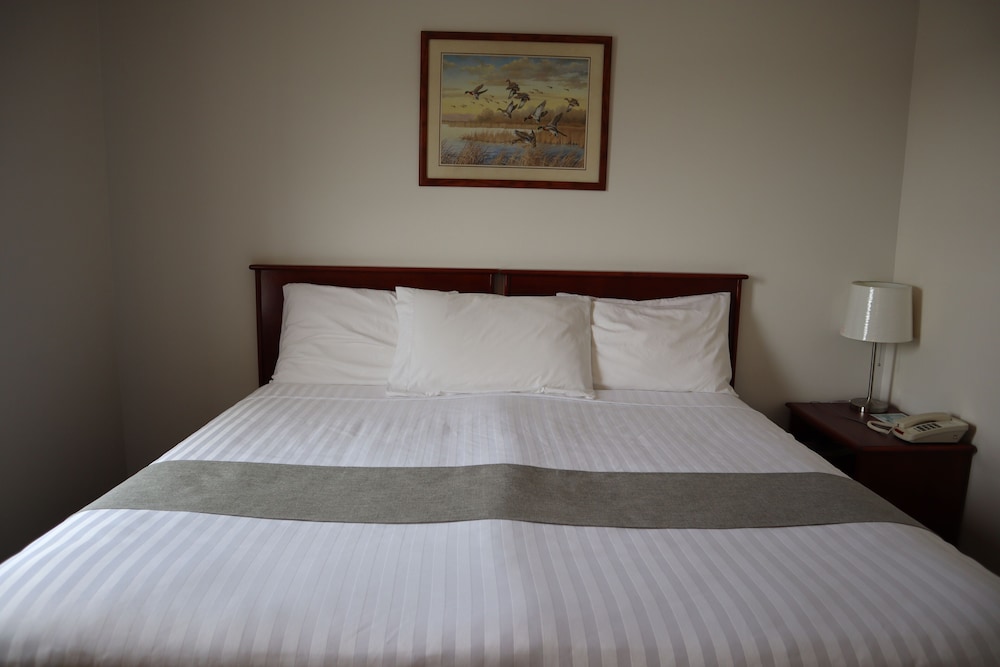
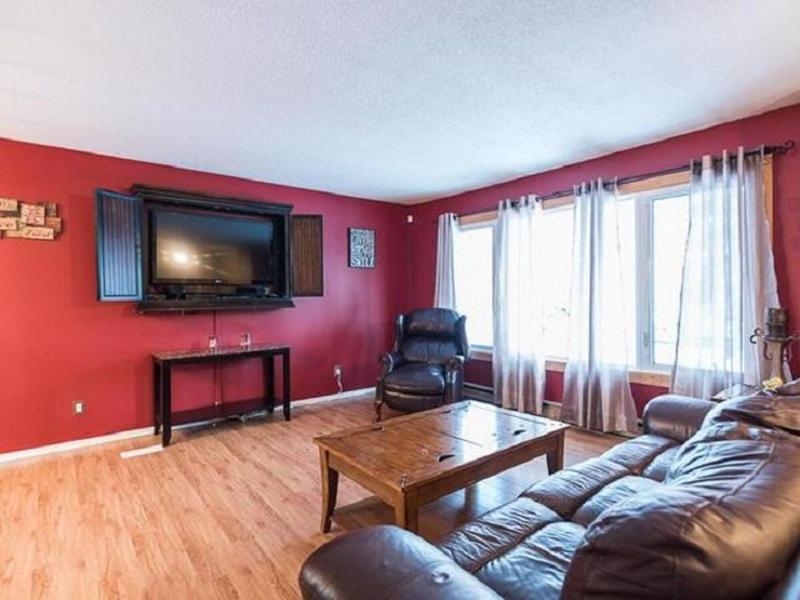
Wild North Bed & Rest is a 3-star hotel in Downtown Whitehorse, Yukon.
Wild North Bed & Rest is a 3-star hotel in Downtown Whitehorse, Yukon, a sensible choice for sightseeing around Miles Canyon without overspending.
Book Wild North Bed & Rest through app.impt.io at the same live rate you would find anywhere else, with free cancellation on most rooms. Every completed booking funds one verified tonne of carbon removal — paid from the standard commission the hotel already covers, never added to your bill.
Facilities
- Bathroom
- Canoe
- Carpeted
- Copy
- Fan
- Fishing
- Free Wifi
- Free car parking
- Hairdryer
- Horse back riding
- Internet access
- Kitchen
Location
79 Teslin Rd, Whitehorse, Canada.
Open in Google Maps ↗Questions, answered
Where is Wild North Bed & Rest located?
Wild North Bed & Rest is in Downtown Whitehorse, Yukon (79 Teslin Rd, Whitehorse, Canada), close to Miles Canyon.
How many stars is Wild North Bed & Rest?
Wild North Bed & Rest is a 3-star hotel in Yukon.
Do I need a car in the Yukon?
Yes, unless your entire trip is inside Whitehorse city limits. There is no passenger rail, and intercity bus service is limited to a few Klondike Experience departures a week between Whitehorse, Haines Junction and Dawson City. Kluane, Tombstone, Carcross, Marsh Lake and the Alaska Highway lodges are all impractical without a vehicle. Book the rental at the same time as the flight in summer — Whitehorse has fewer than 400 rental cars in total across all agencies, and July regularly sells out.
Is the Yukon better for families or couples?
Both work, but the trip shape differs. Couples tend to base in Downtown Whitehorse or Dawson City and drive the Alaska and Klondike Highways, adding an aurora tour or a Kluane flightseeing trip out of Haines Junction. Families do better with cabin-style accommodation at Marsh Lake, Tagish or Carcross, where kids can be outside, plus one Whitehorse night for the Yukon Wildlife Preserve and Takhini Hot Pools. Long driving days — Whitehorse to Dawson is 533 km — are the main thing to design around with children.
What should I book in advance for a Yukon trip?
Book the Whitehorse hotel and the rental car first, and do it at least three months out for any June–August trip. Dawson City accommodation for Discovery Days weekend around 17 August sells out by April. Aurora tour packages for February and March, especially those aimed at overseas guests, are often full six months ahead. Dempster Highway lodging at Eagle Plains and any stay in Old Crow, Mayo or Keno City should be locked in before you fly, because there are no fallback options nearby.
Is Whitehorse walkable?
Downtown Whitehorse is walkable across roughly a 10-block grid between Second Avenue and the Yukon River waterfront, and you can cover Main Street, the SS Klondike, the MacBride Museum and most restaurants on foot. The Millennium Trail along the river is 5 km round trip and pleasant in summer. Beyond downtown — to the airport, Porter Creek, Riverdale or the Yukon Wildlife Preserve at Km 8 of the Takhini Hot Springs Road — you need a car, taxi or the local Whitehorse Transit bus. Winter walking is fine if you dress for -25°C.